ANALOG AND DIGITAL PHOTOGRAPHY SERVICES IN BARCELONAWE DELIVER IN 24-48HWE SELL PHOTOGRAPHIC FILM

Photographic exhibitions

Supporting artistic talent

At VM Foto, we have always been deeply involved in art and photography. Over the years, we have printed countless exhibitions using various papers, sizes, and mounting techniques.

Email us at vmfoto@vmfoto.com to request a personalized quote and to learn more about our special exhibition discounts.

Trust in VM Foto’s expertise as the master printer for your next exhibition!

In this section of our website, you can browse some of the exhibitions we have produced over the years and take your time enjoying the displayed works through our gallery.
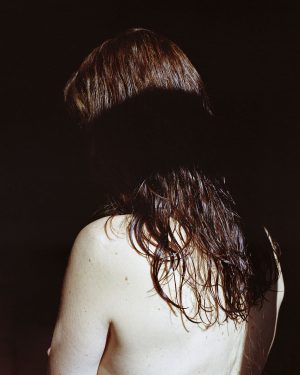
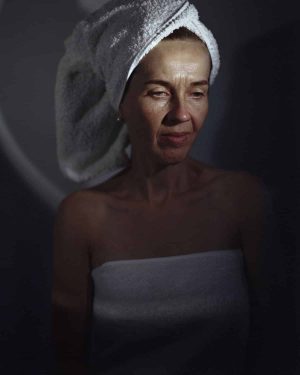
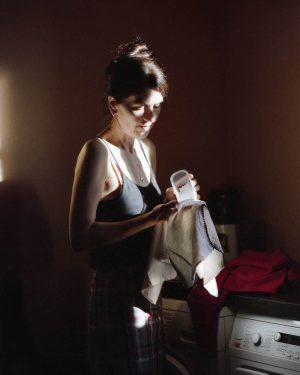
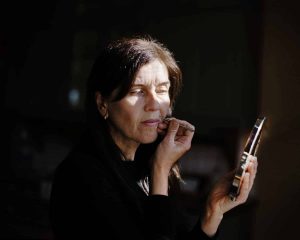
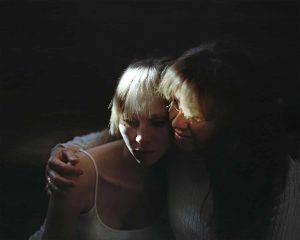
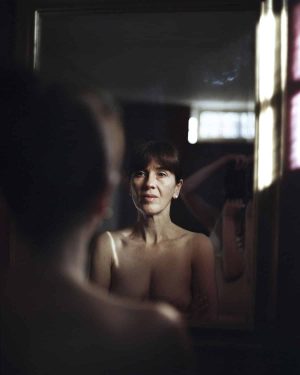
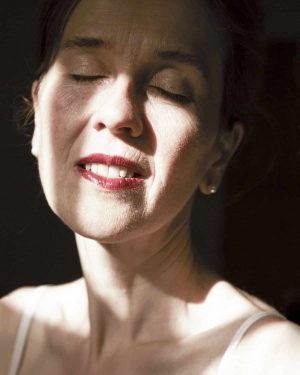
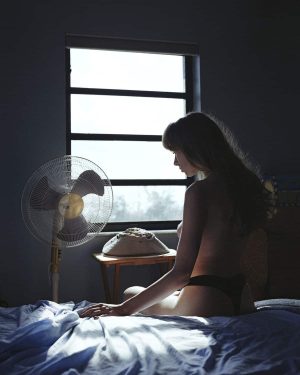
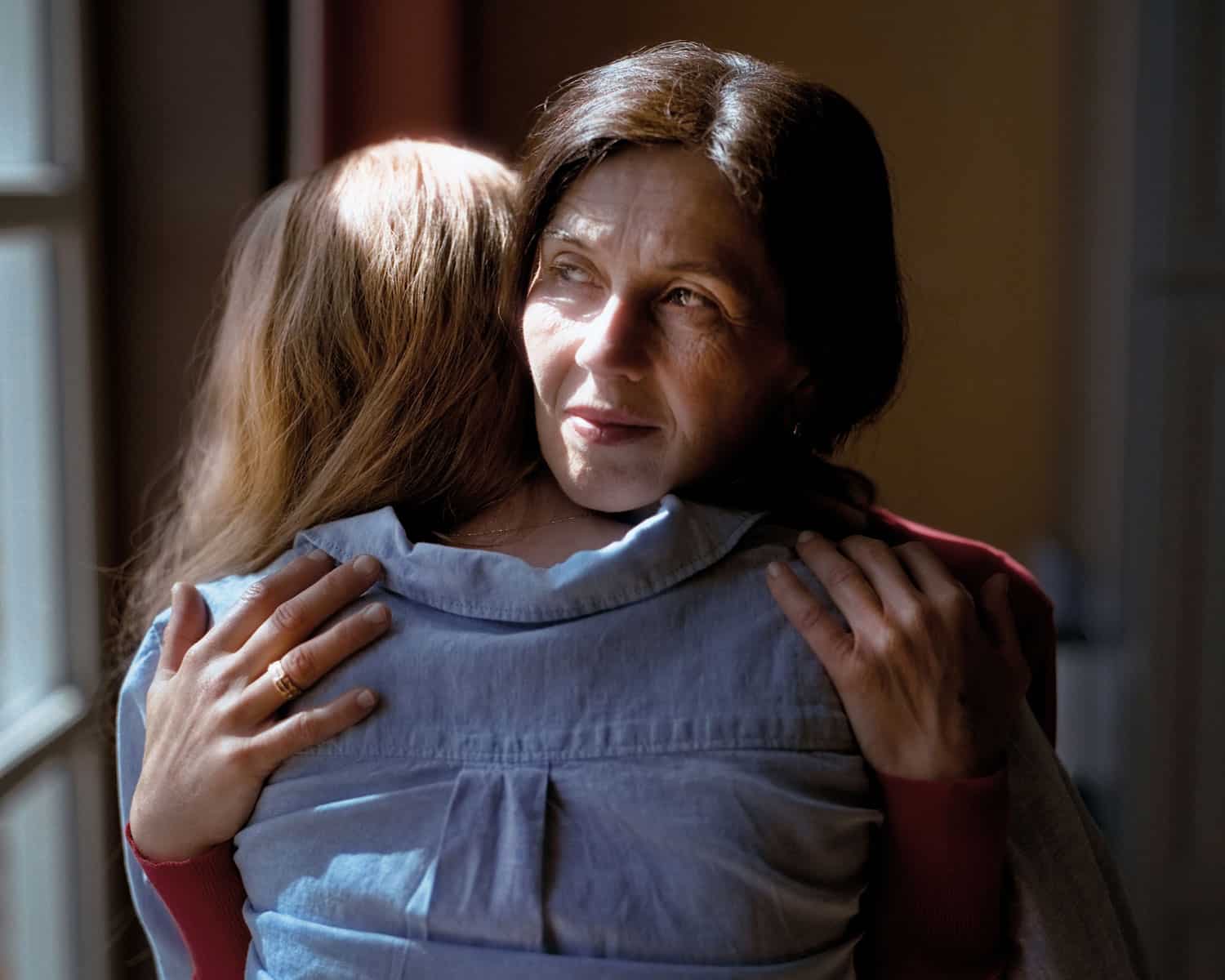
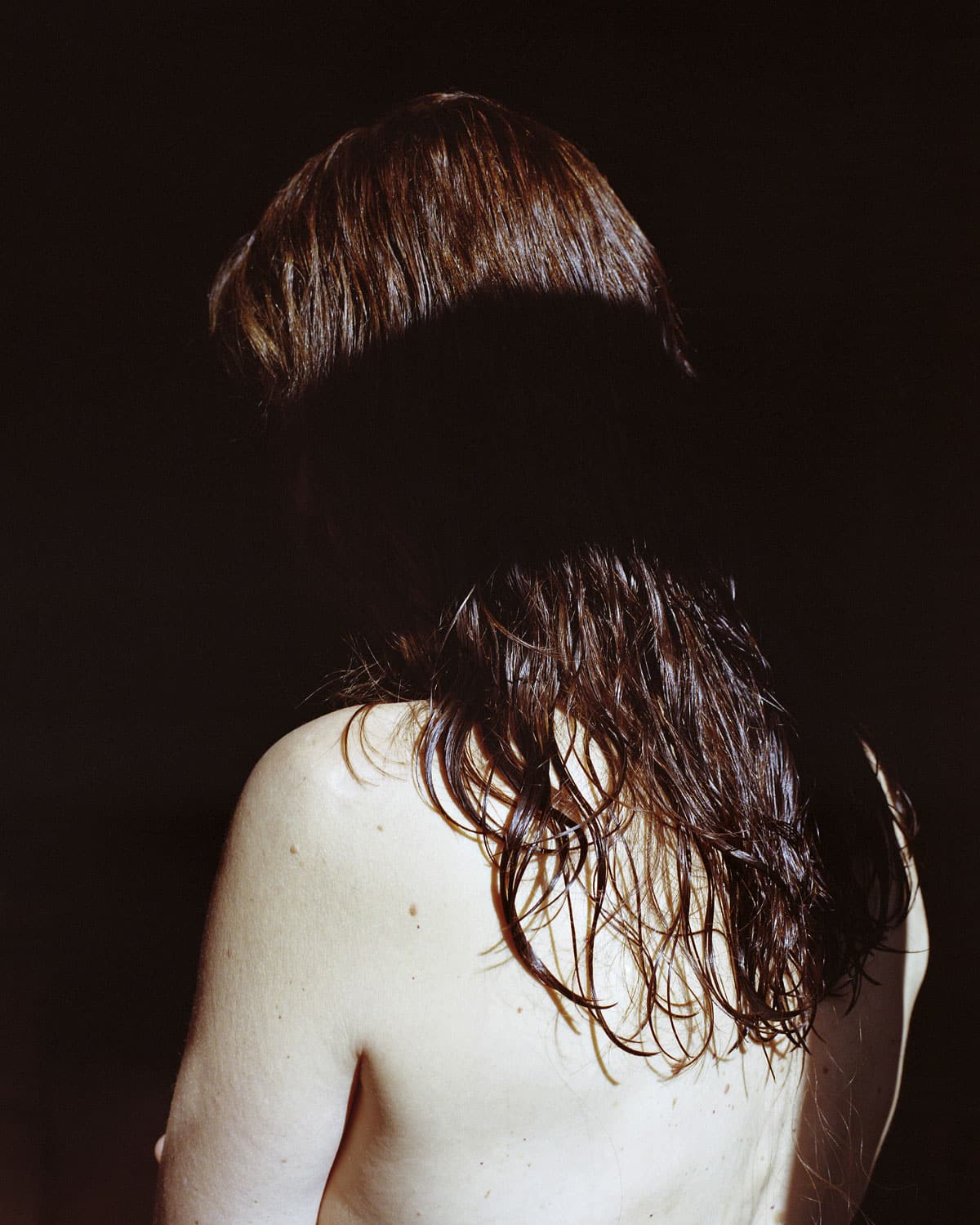
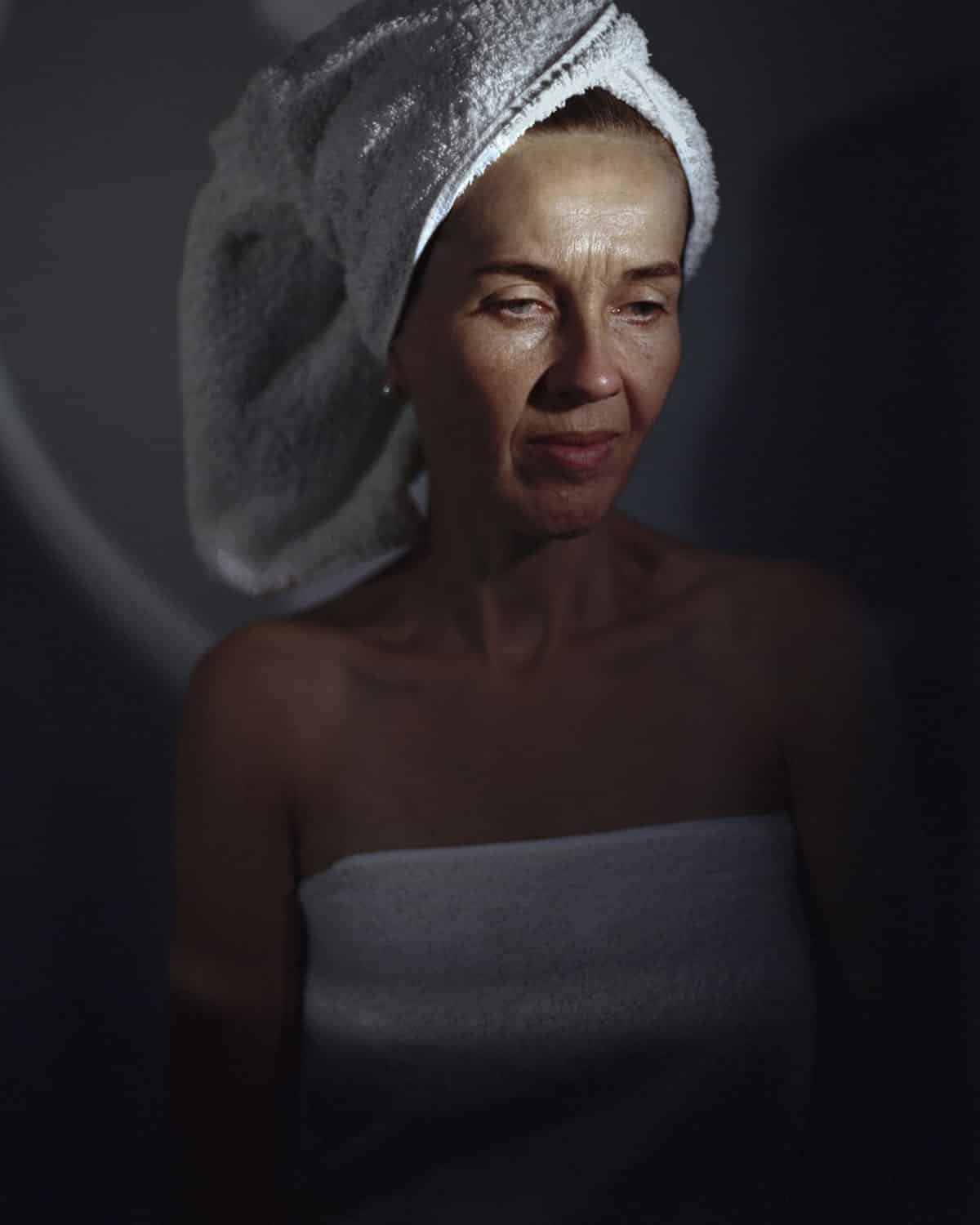
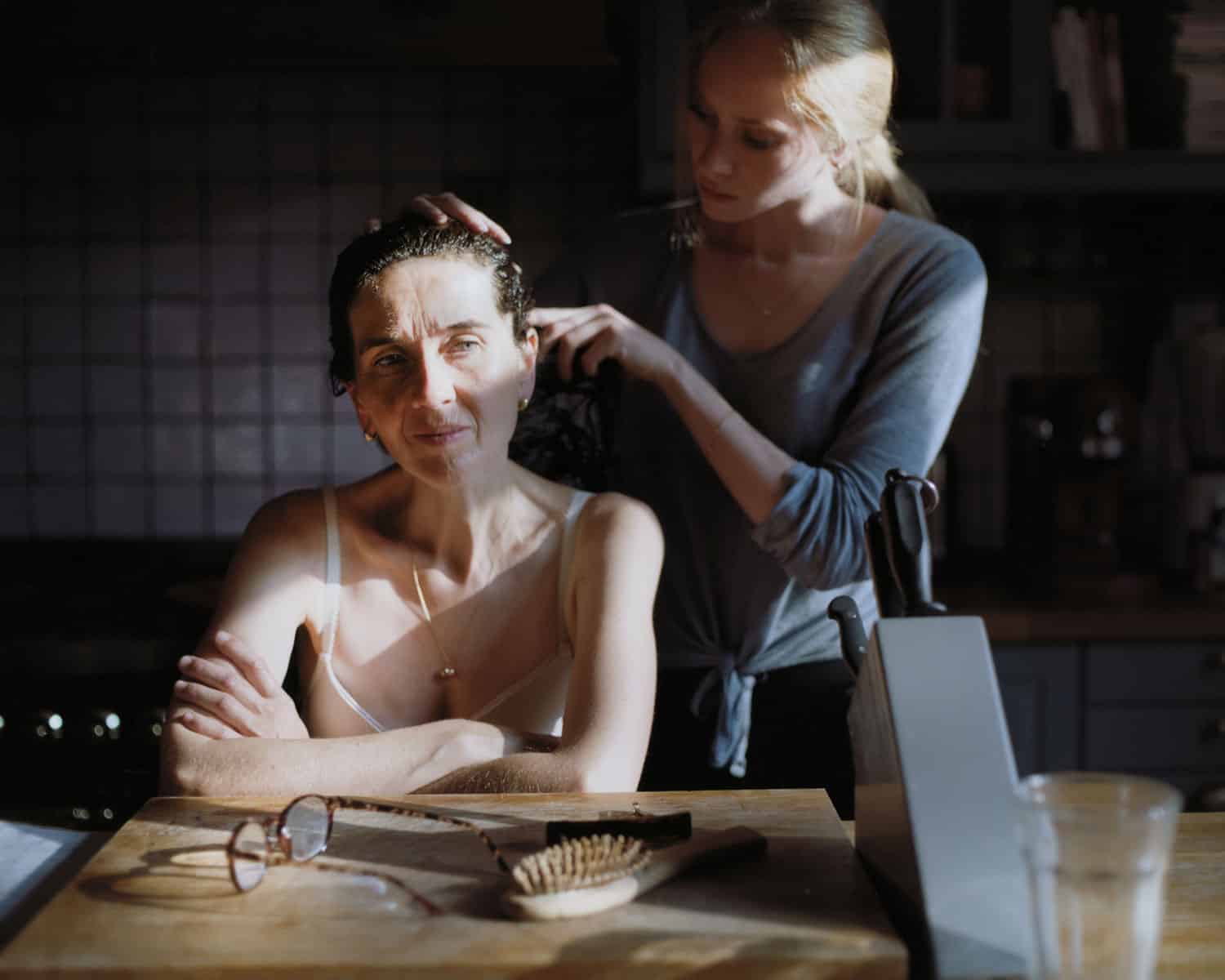
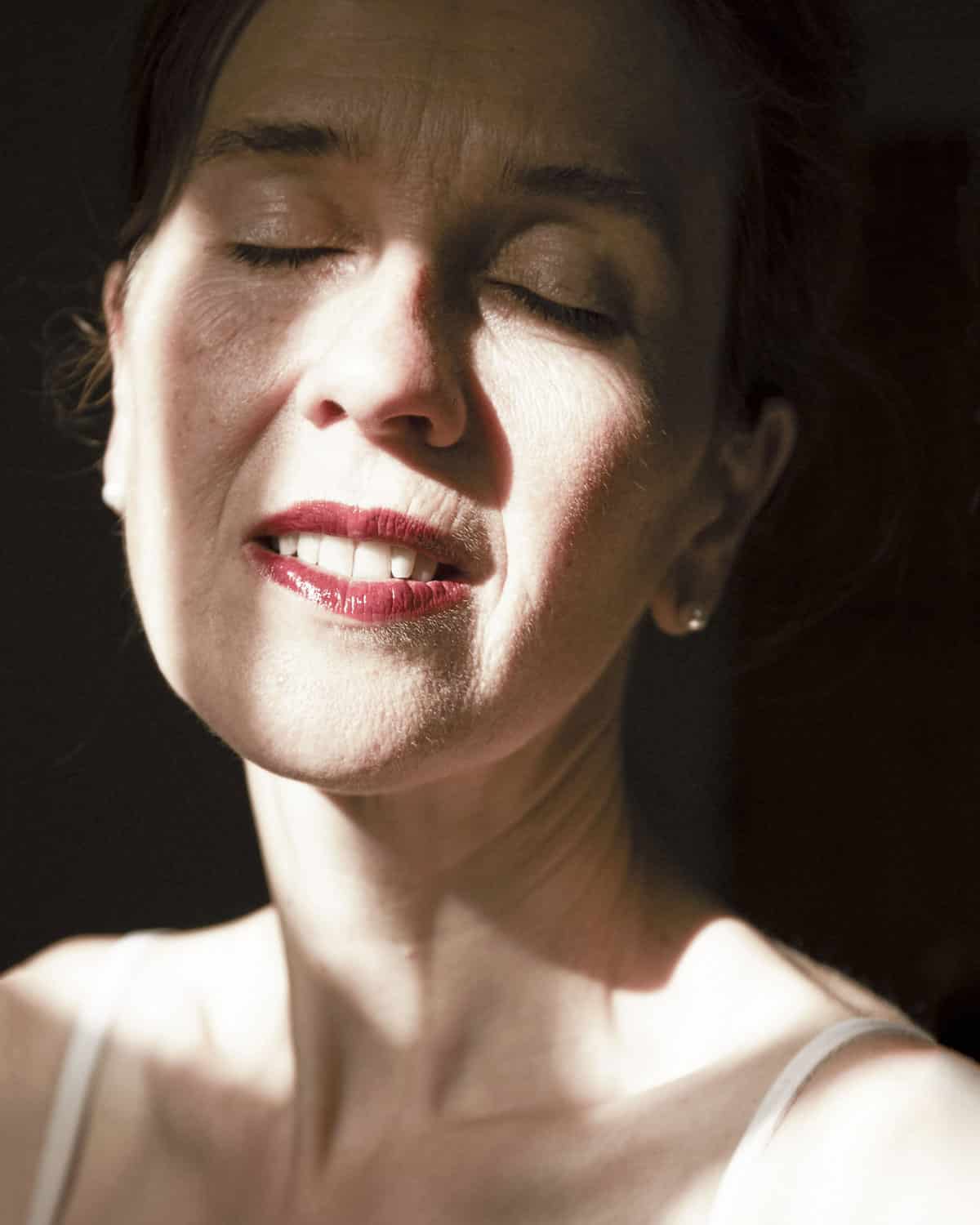
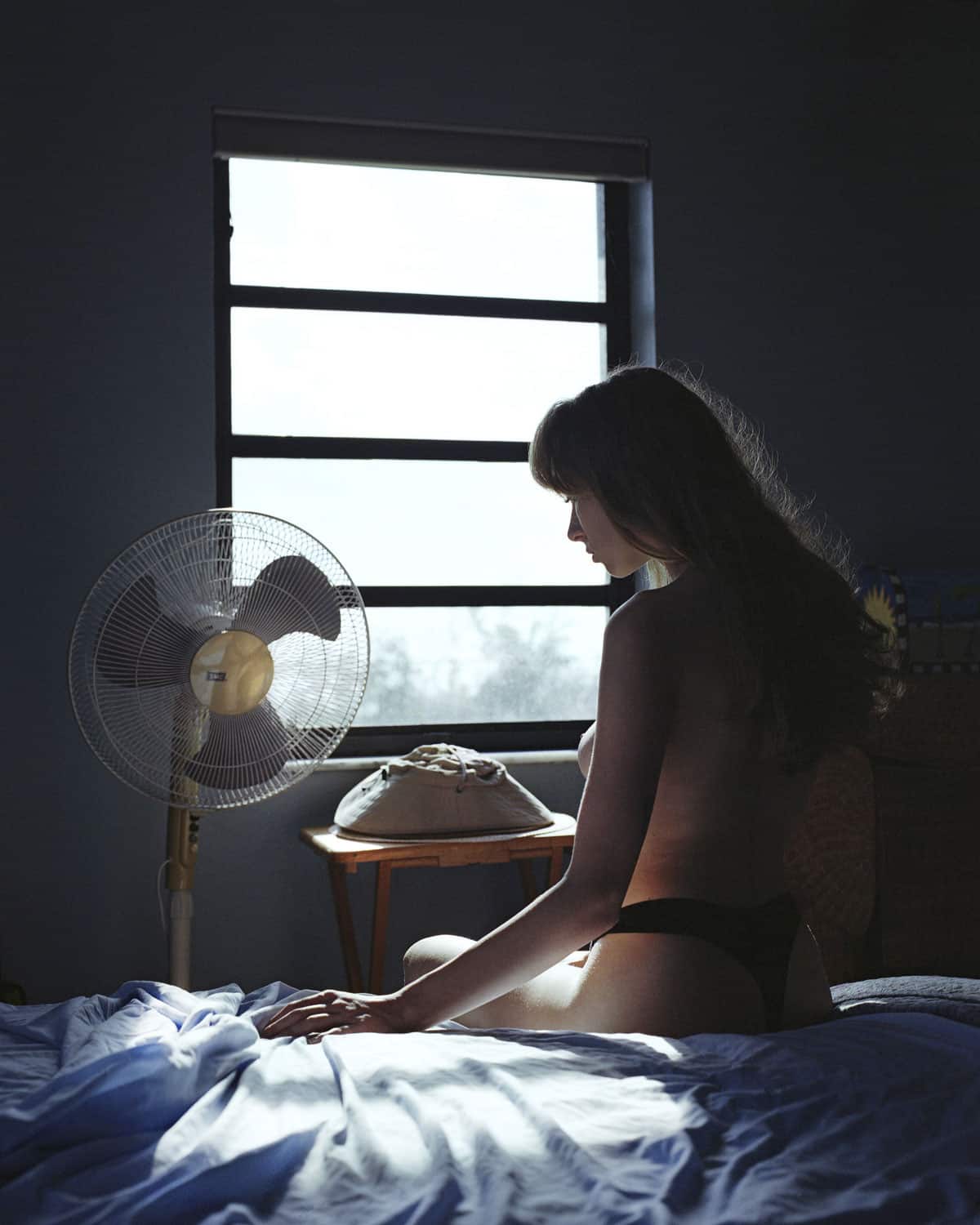
Elise Corten

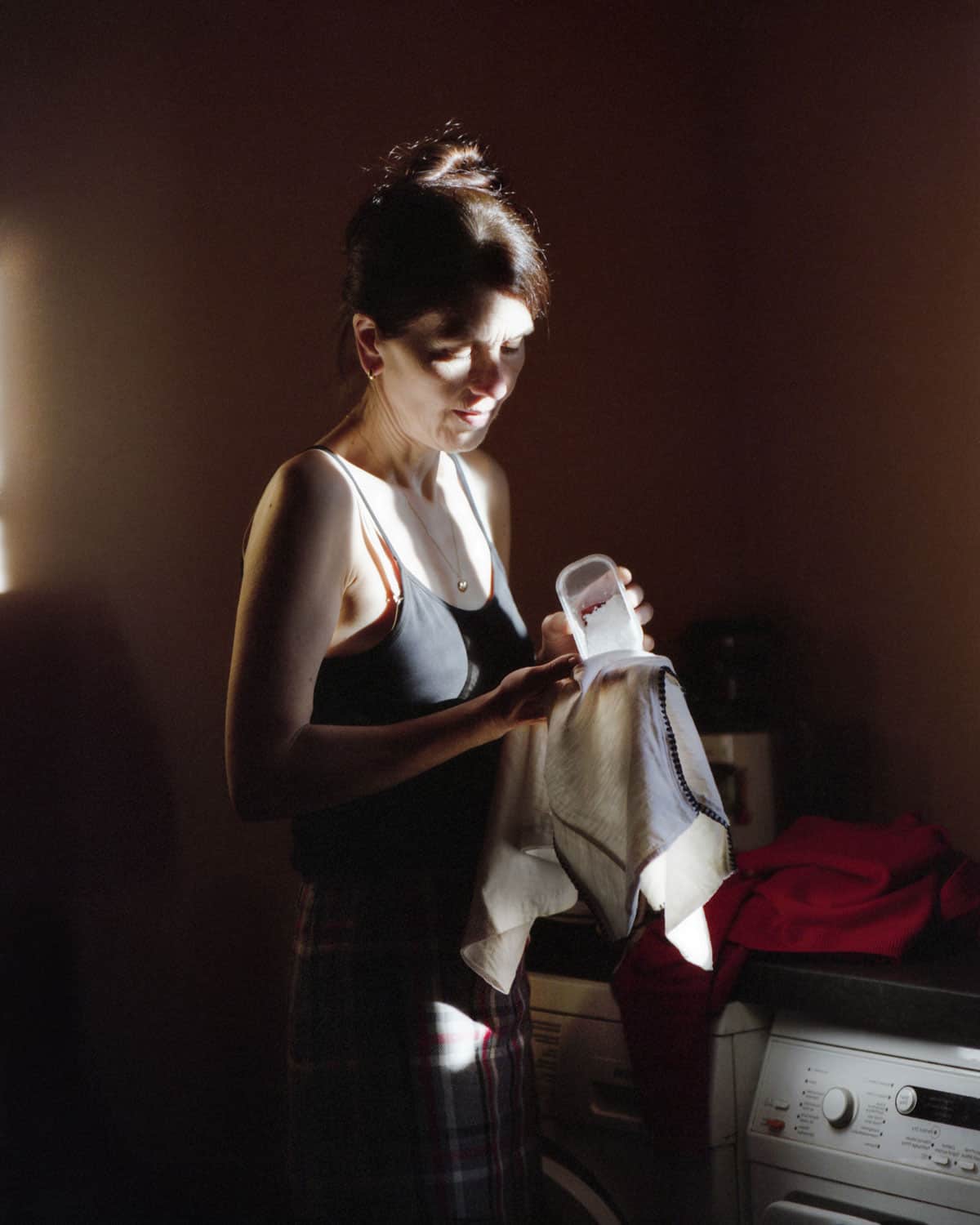
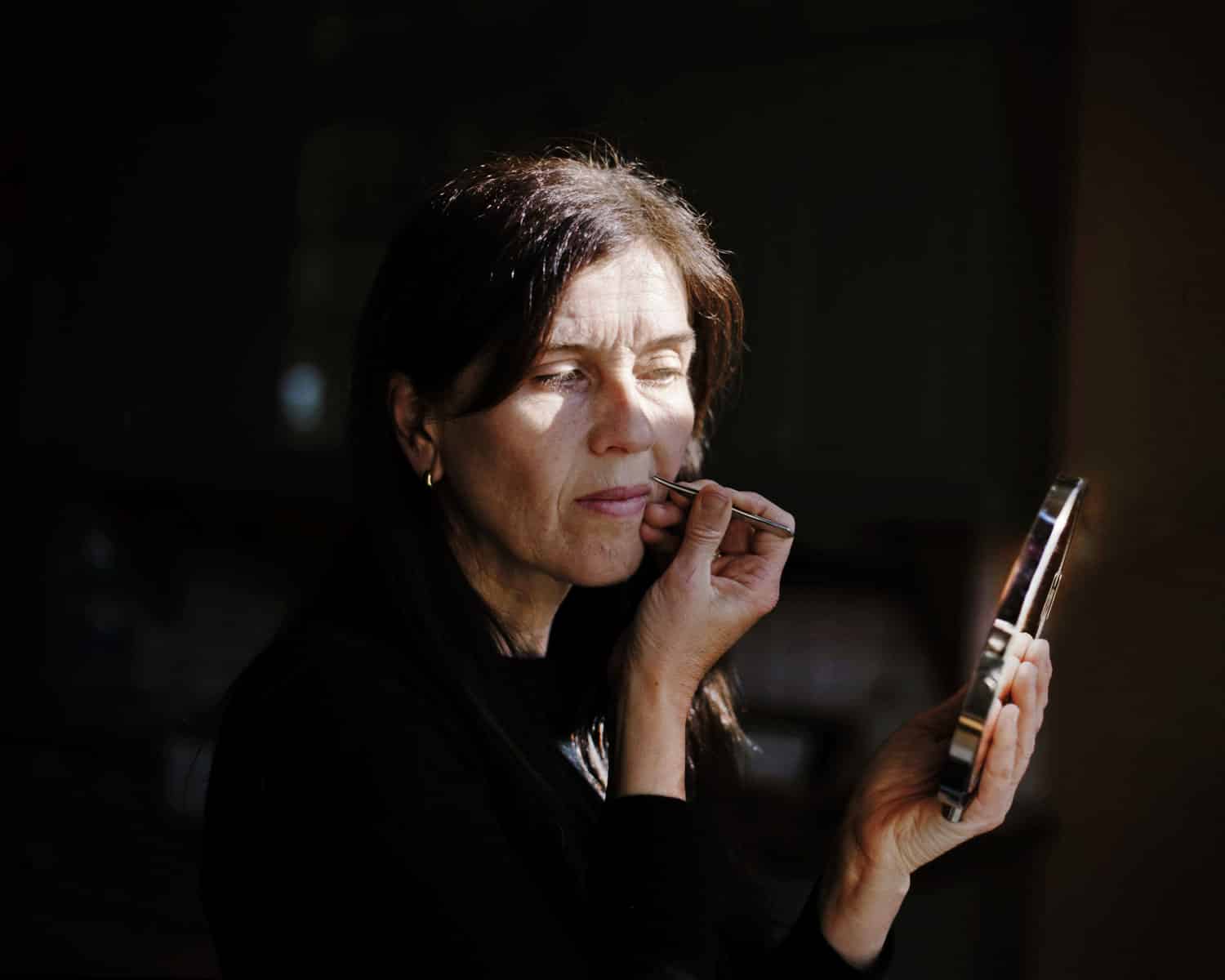
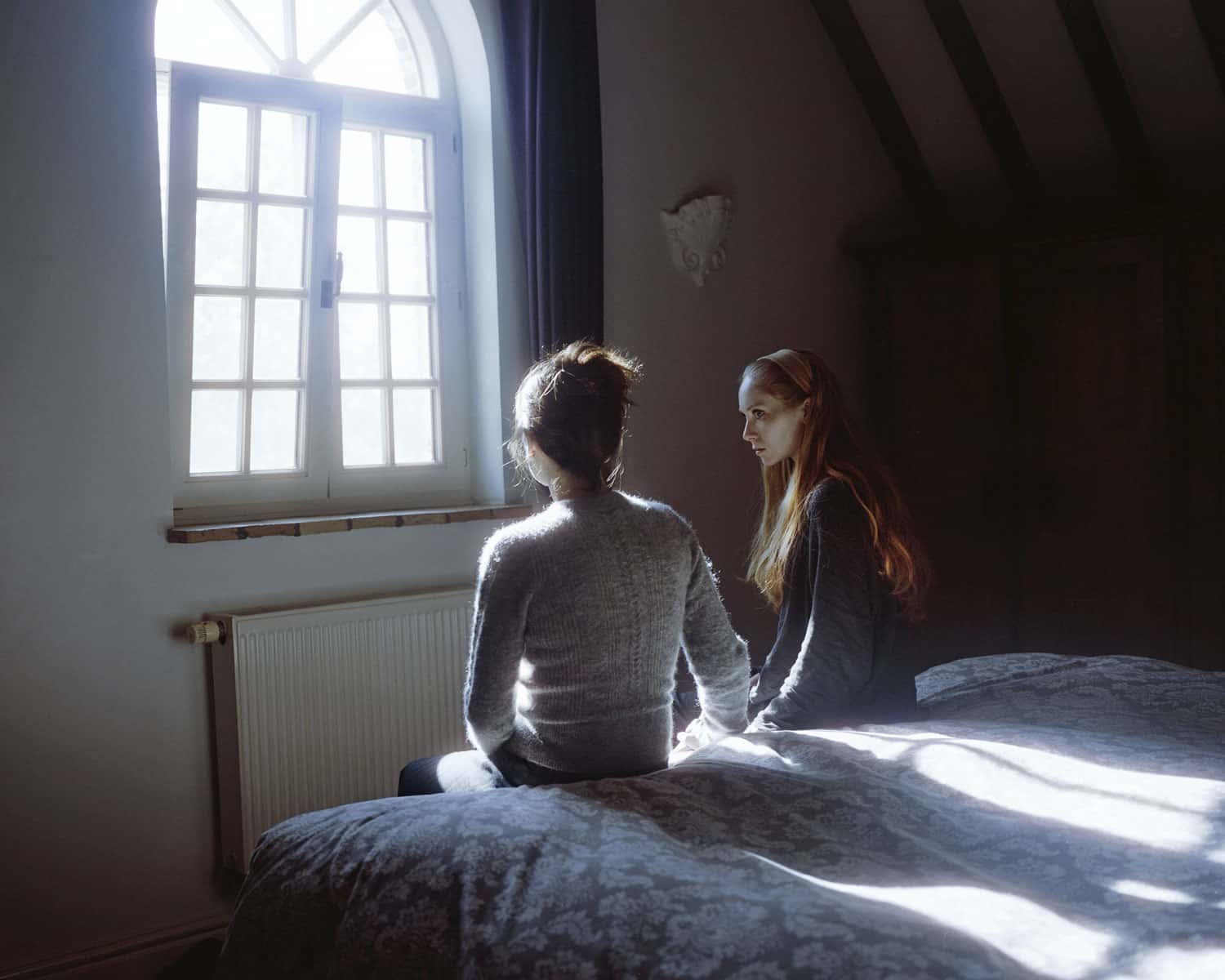
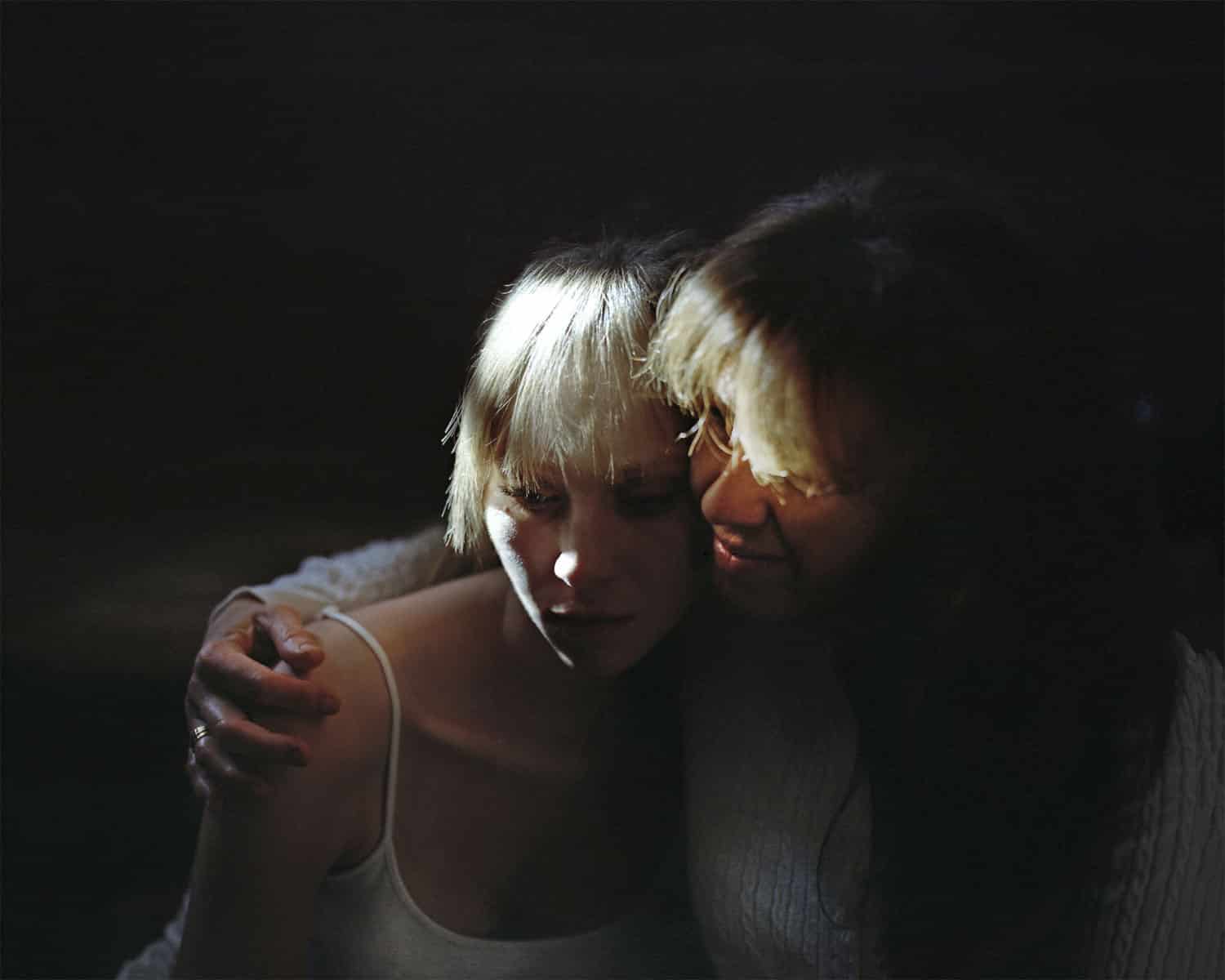
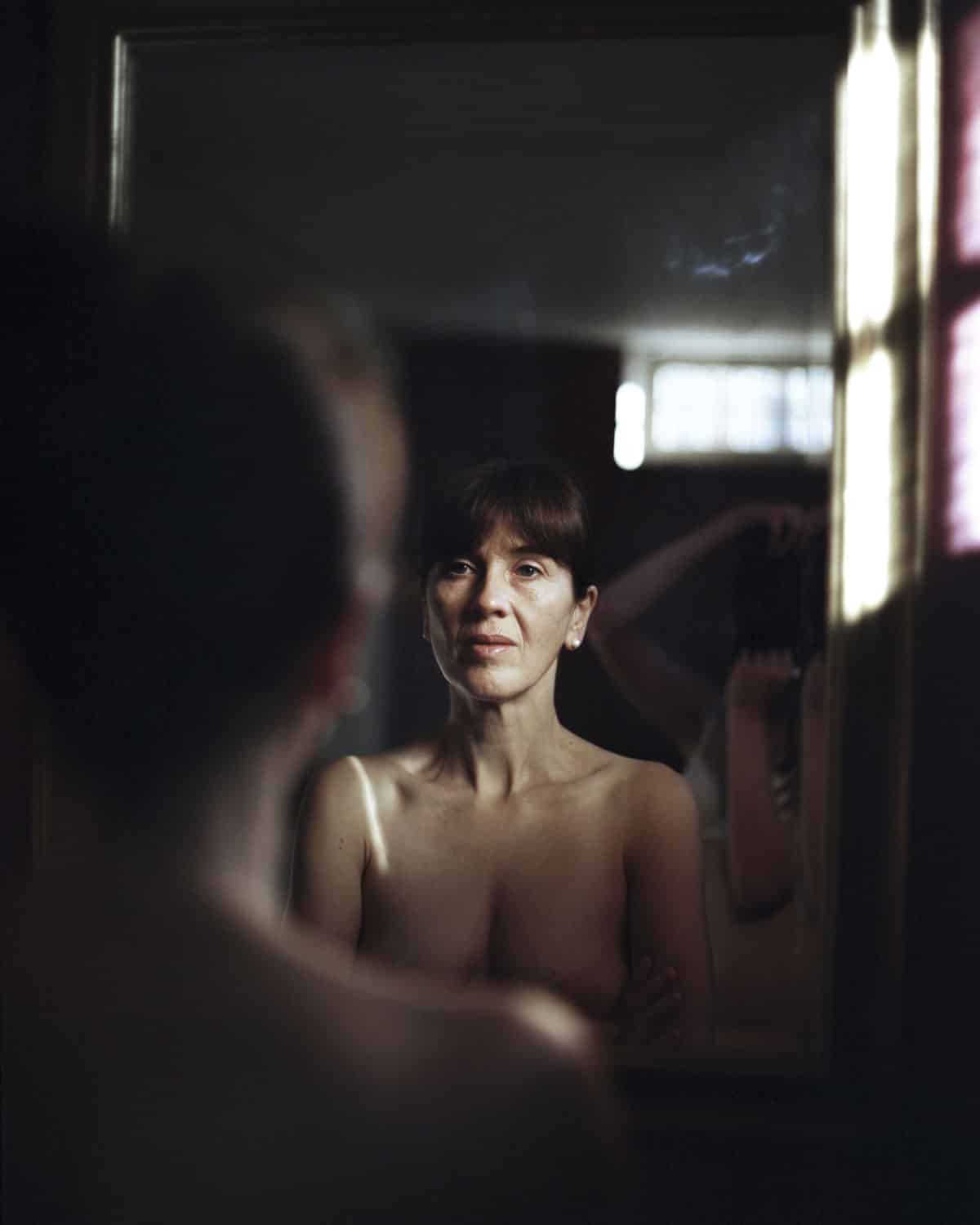
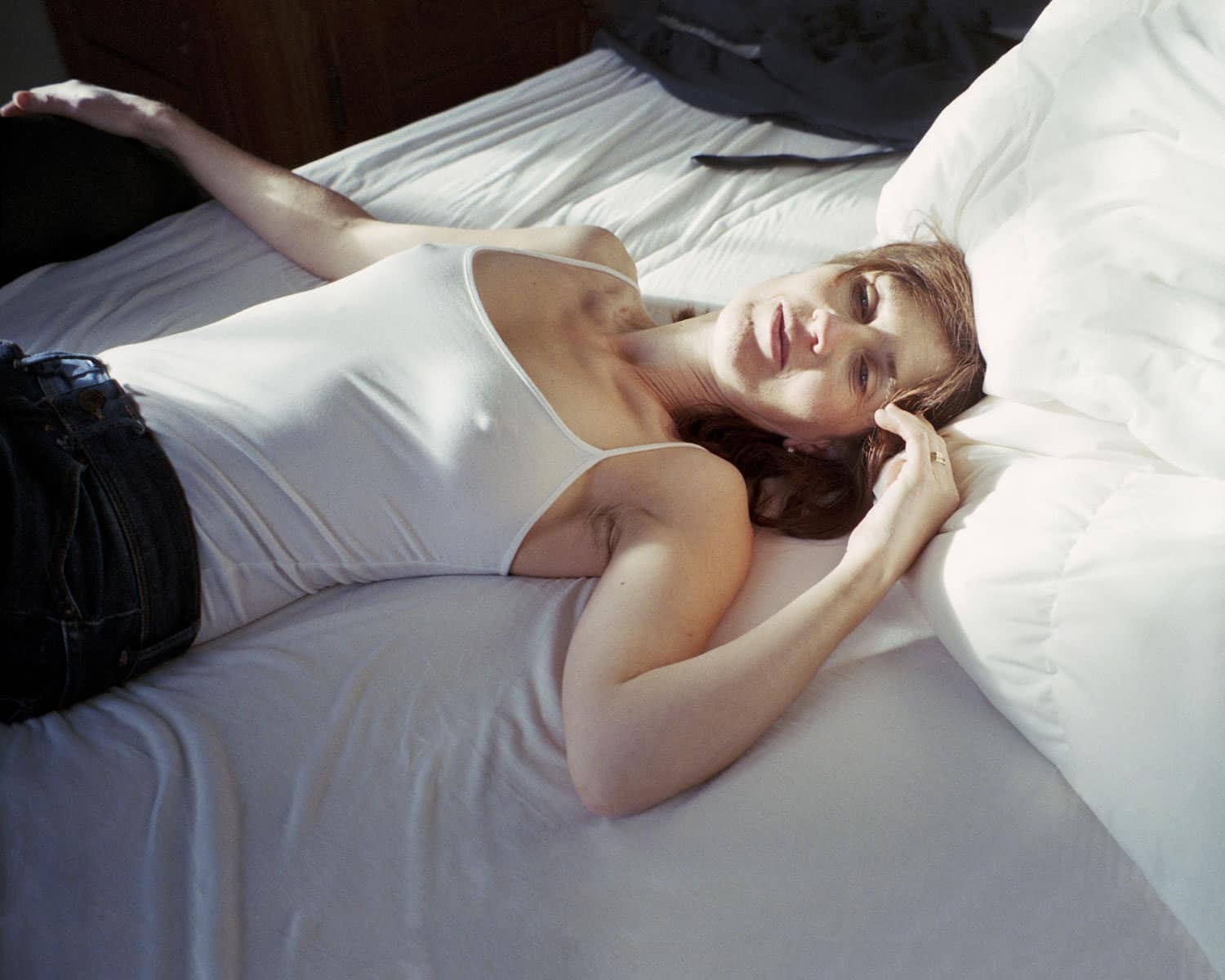
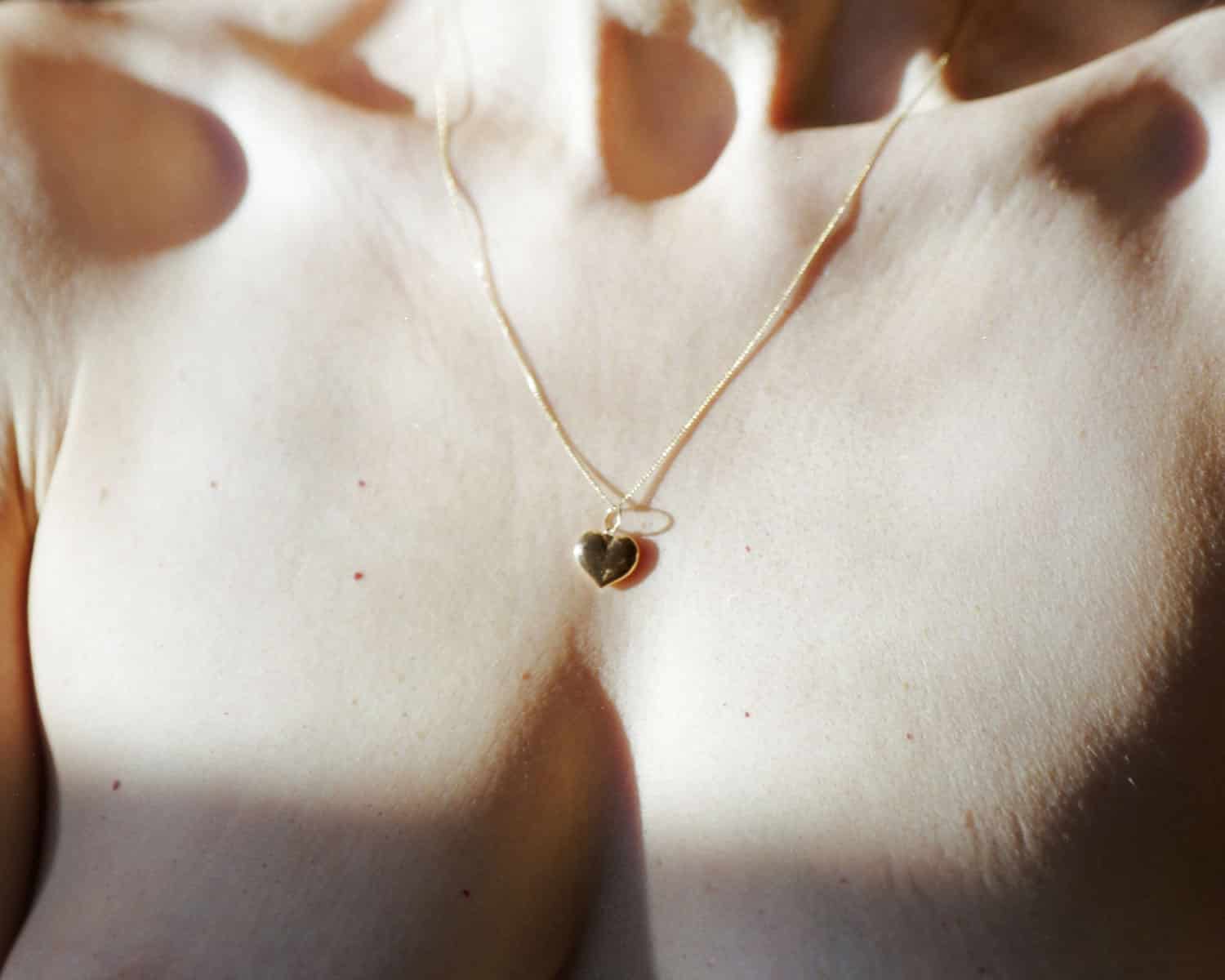
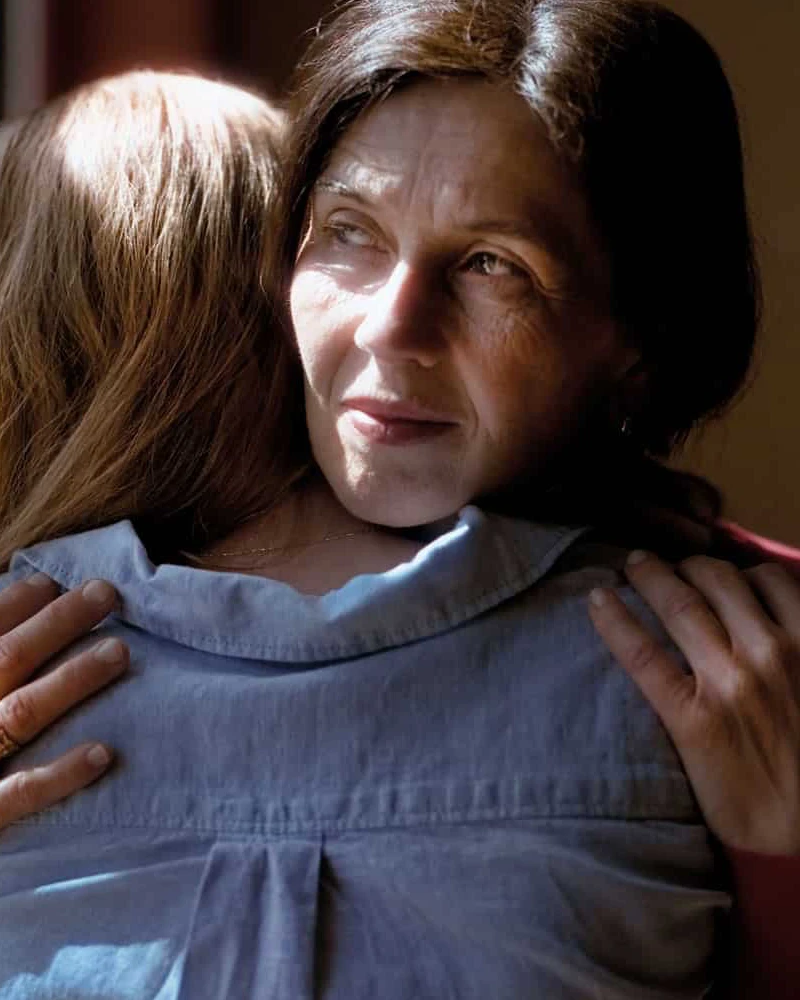
Warmer tan the Sun, Elise Corten (Festival Revela’t 2022)

Elise Corten

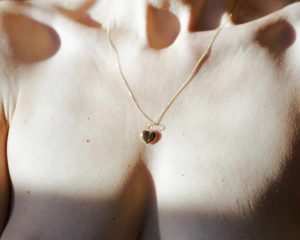
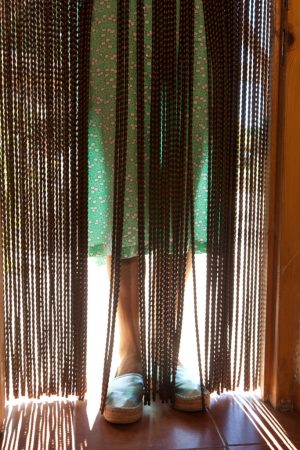
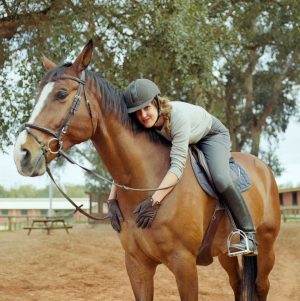
This photographic series, which is ongoing, documents Elise’s mother and the relationship she maintains with her. It seeks to show us, through photographic narrative, the dialogues, moments of intimacy and the close bond with her “model”. The artist uses her camera as a pretext to redefine the maternal bond. Through their daily rituals, she looks at her mother as she is, that is, a woman in her own right and not just a mother.

Las imágenes muestran el deseo que tiene una madre de revelar a su hija, una fotógrafa, los cambios físicos y emocionales que está experimentando. El proyecto es a la vez personal y universal, ya que ambos sujetos se exponen entre sí, a la vez que la fotógrafa hace lo propio consigo misma. Una relación íntima y sensual entre madre e hija se revela a través de la sucesión de retratos y bodegones.

Elise Corten’s practice primarily explores the themes of intimacy, identity, and memory through long-term photographic projects.

His work has been seen in several international exhibitions and publications, such as Portrait of Humanity (UK), Hangar Photo Art Center (BE) and Helsinki Photo Festival (FI), among others.

Lucia Herrero

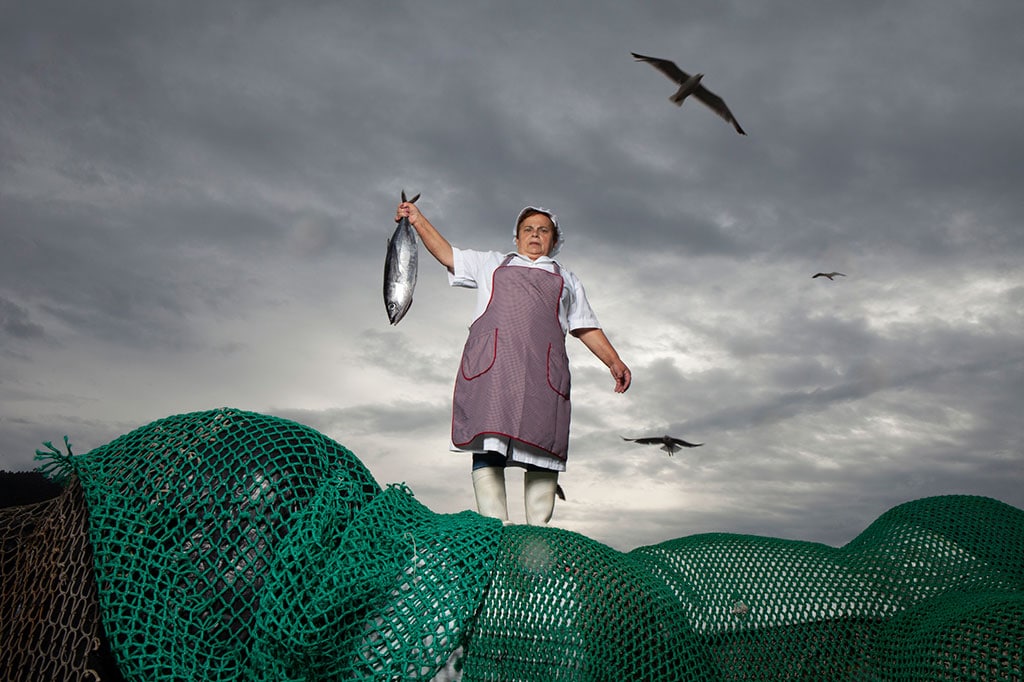
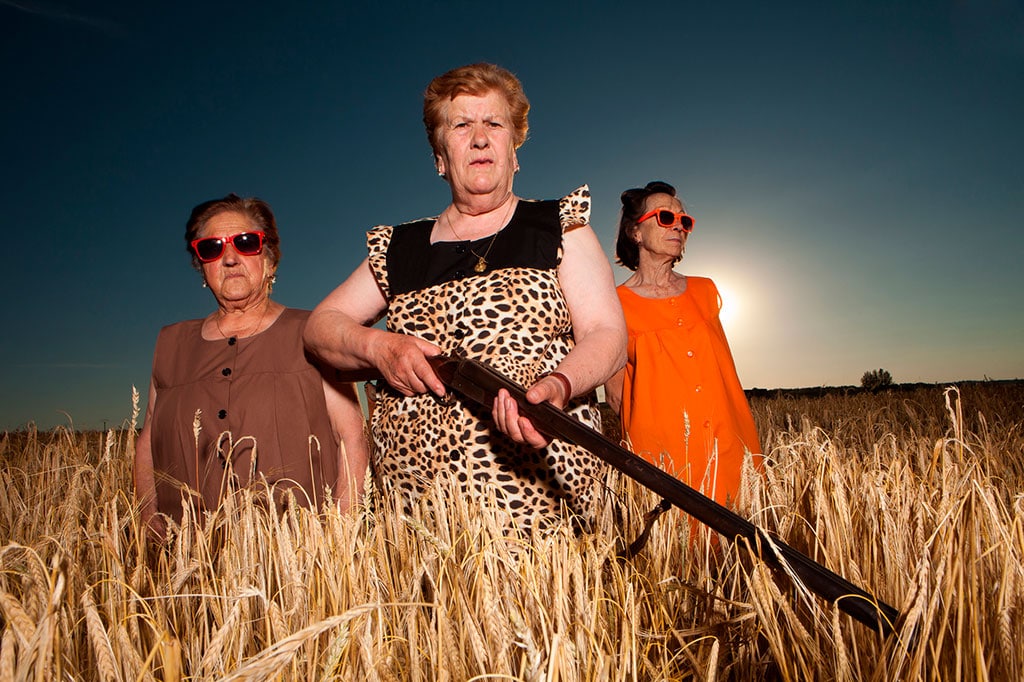
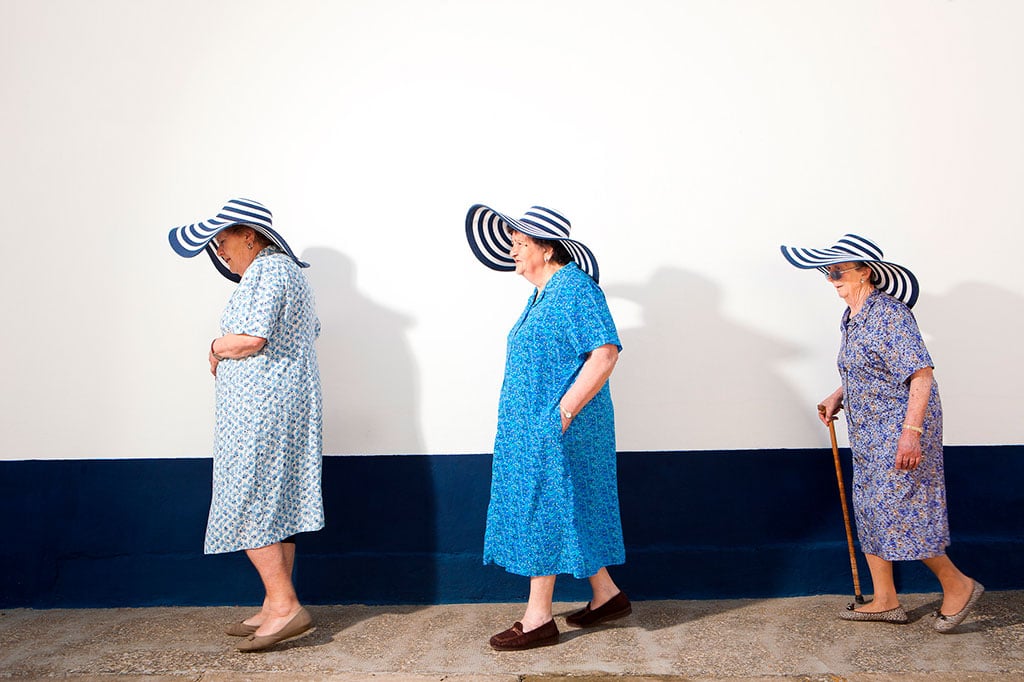
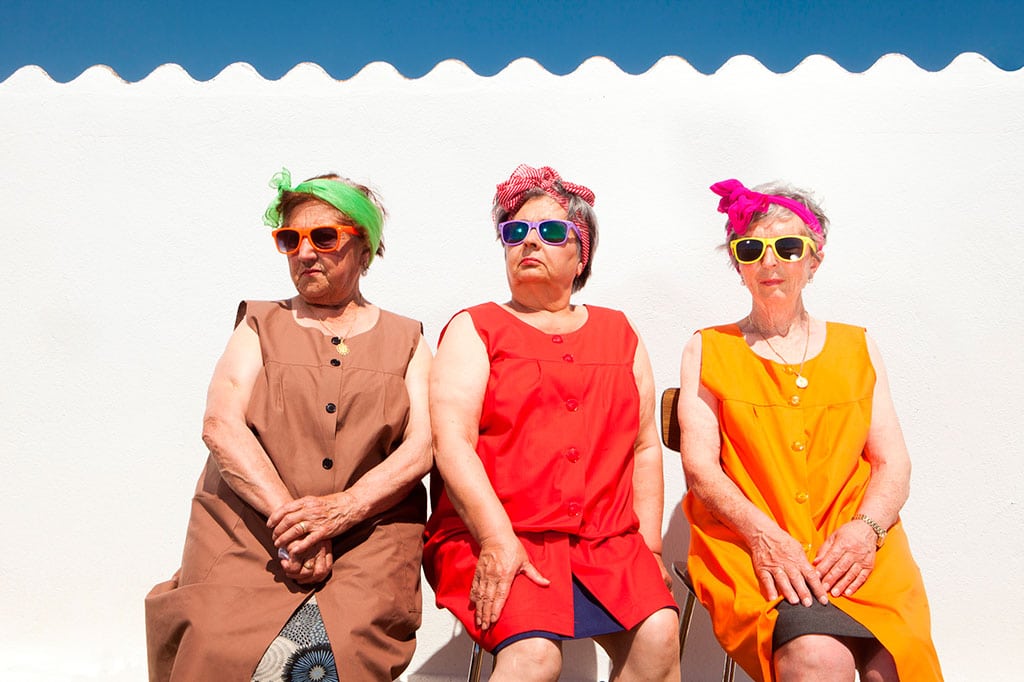
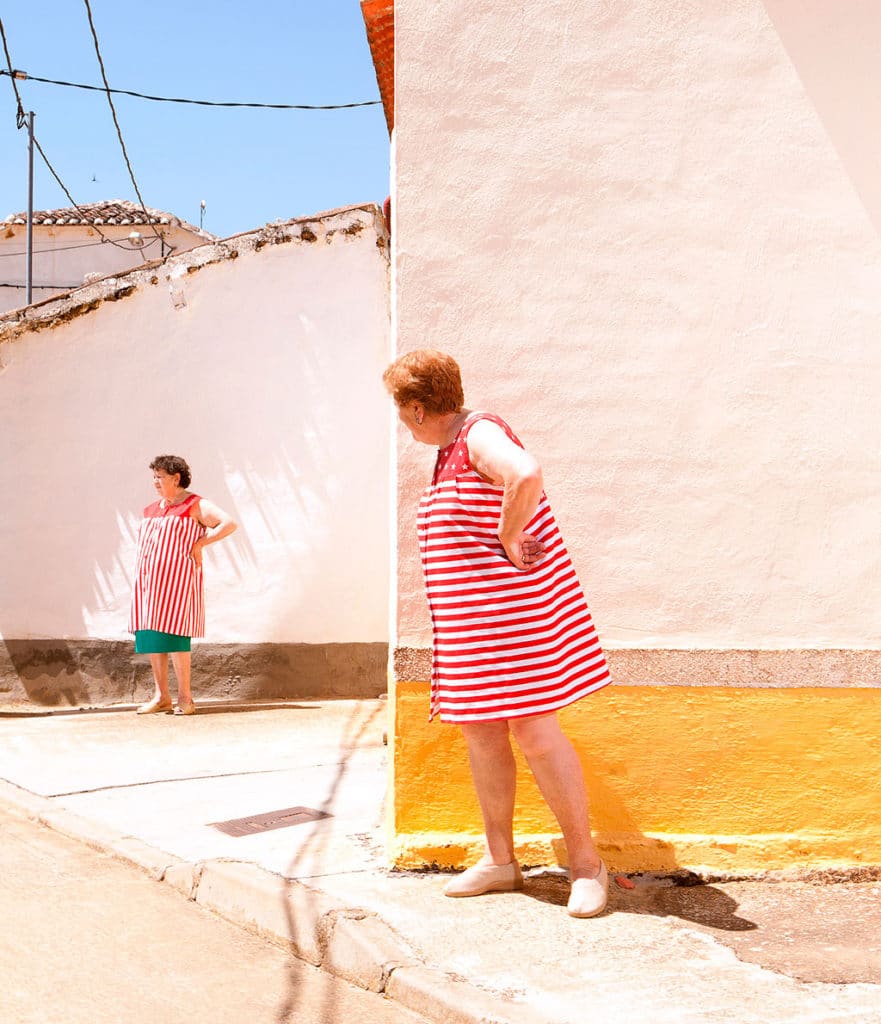
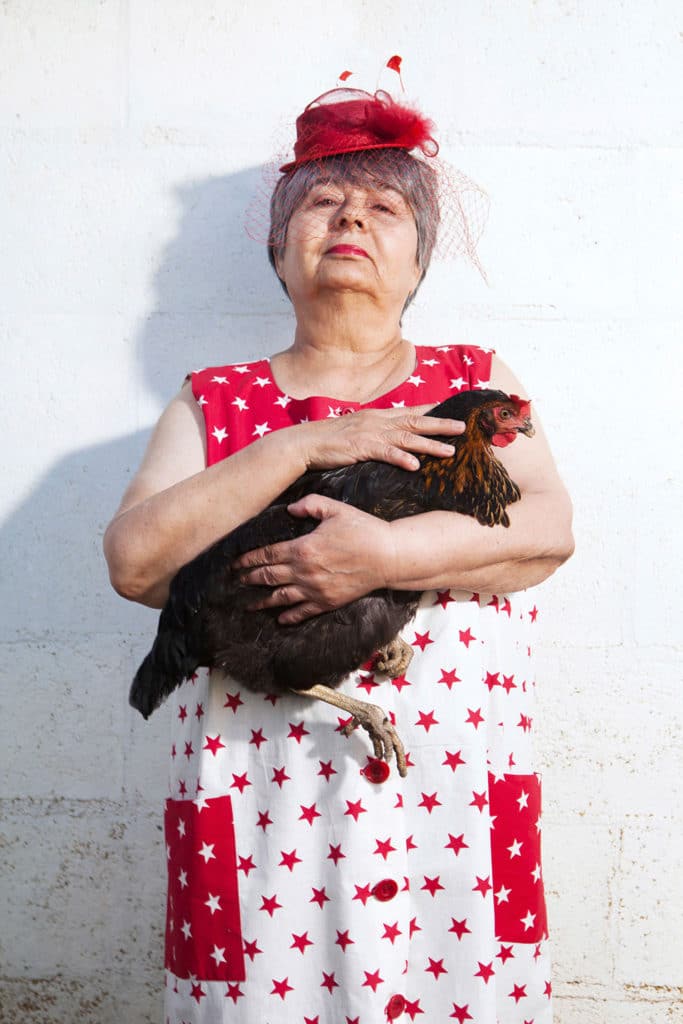
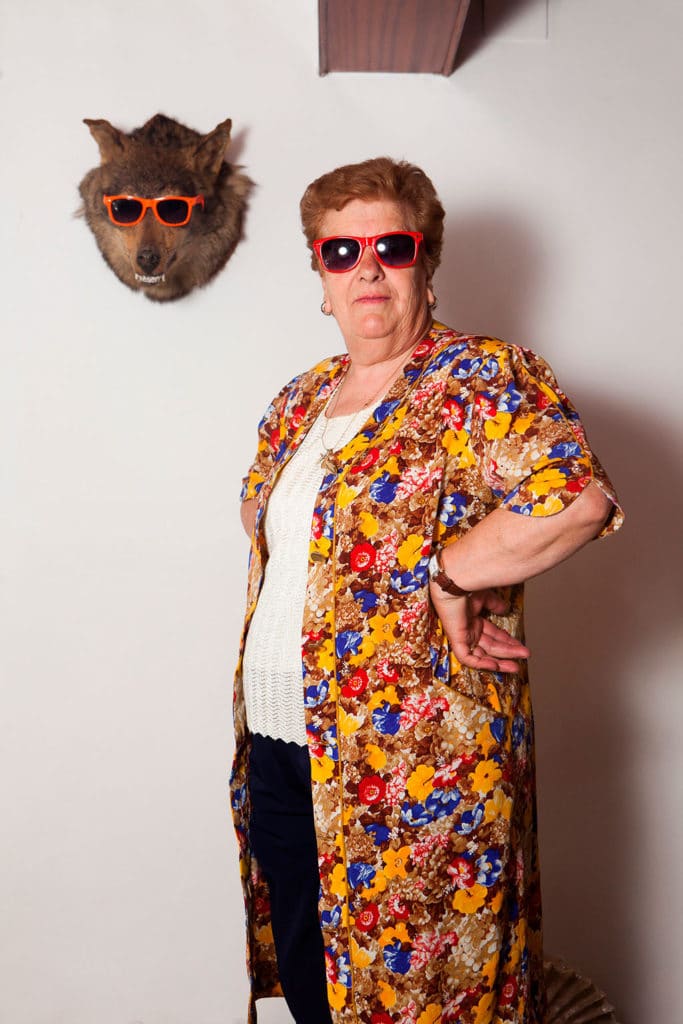
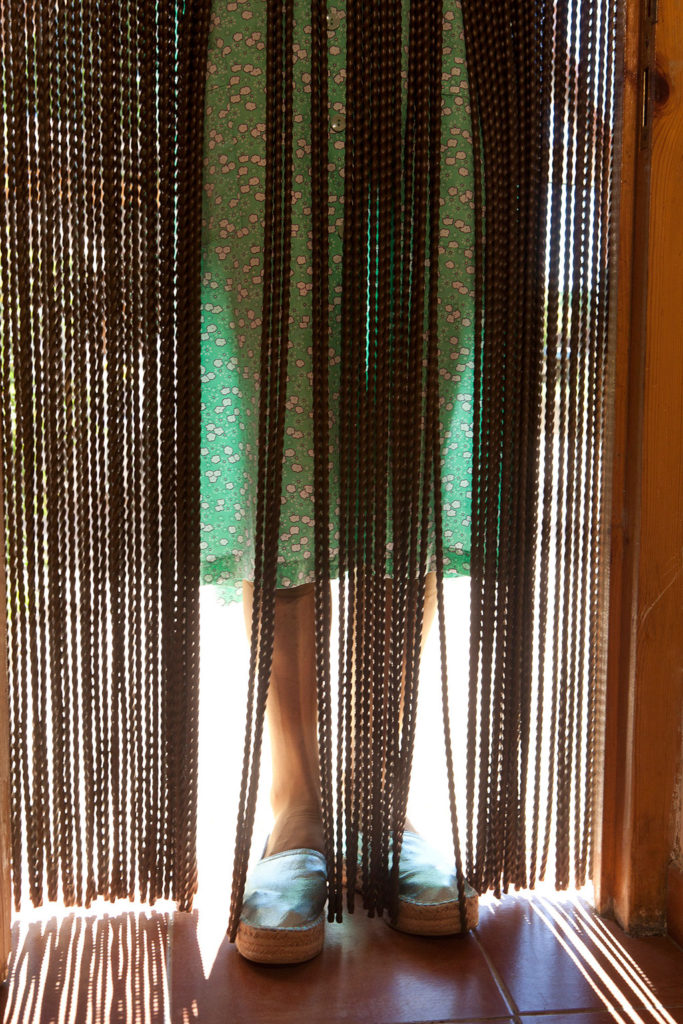
Tributo a la bata

Lucia Herrero

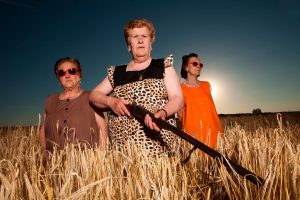
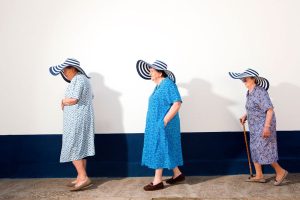
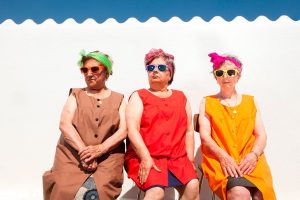
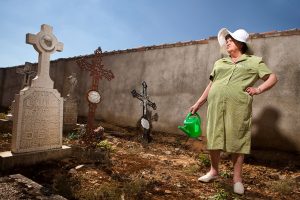
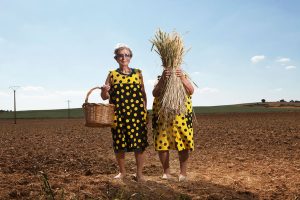
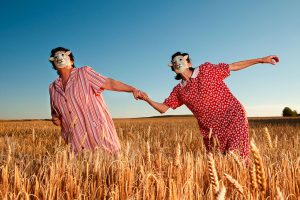
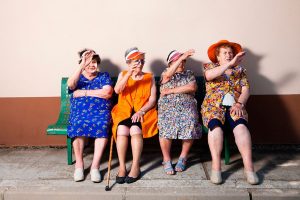
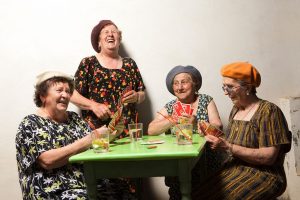
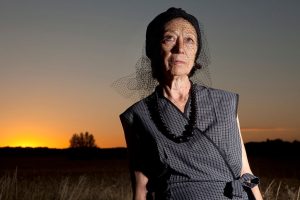
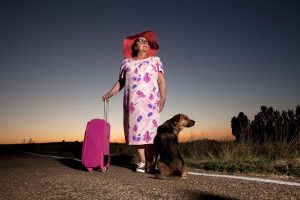
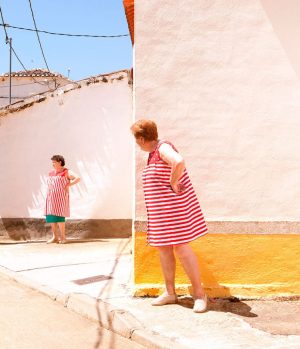
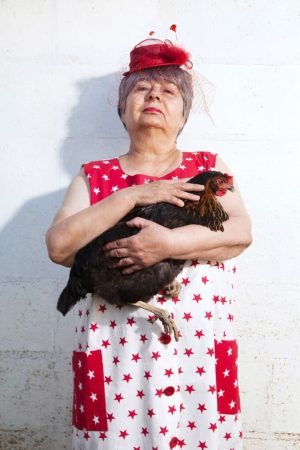
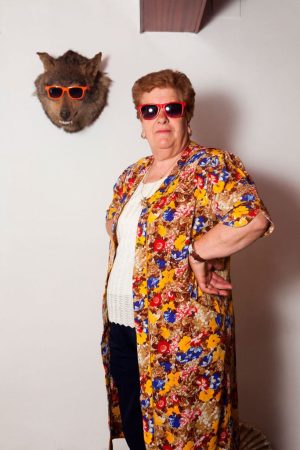
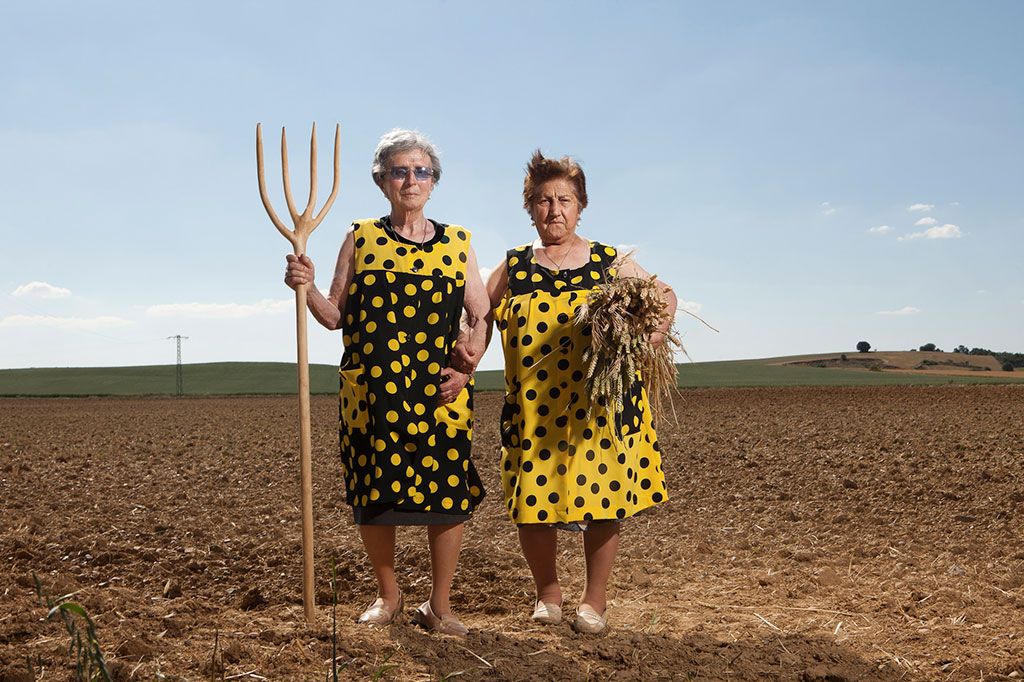
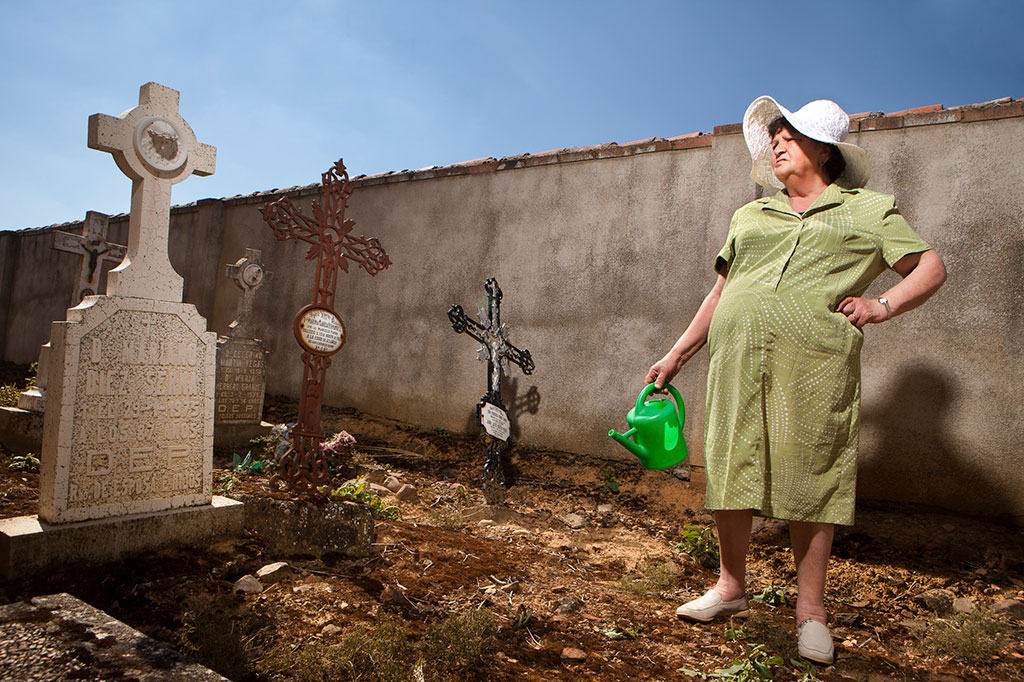
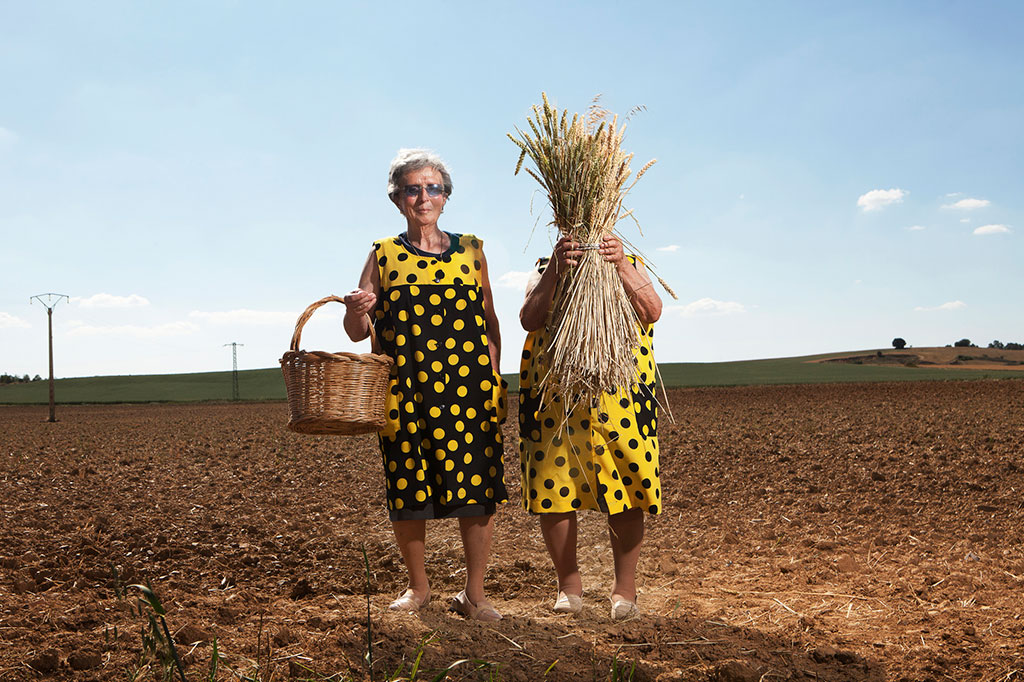
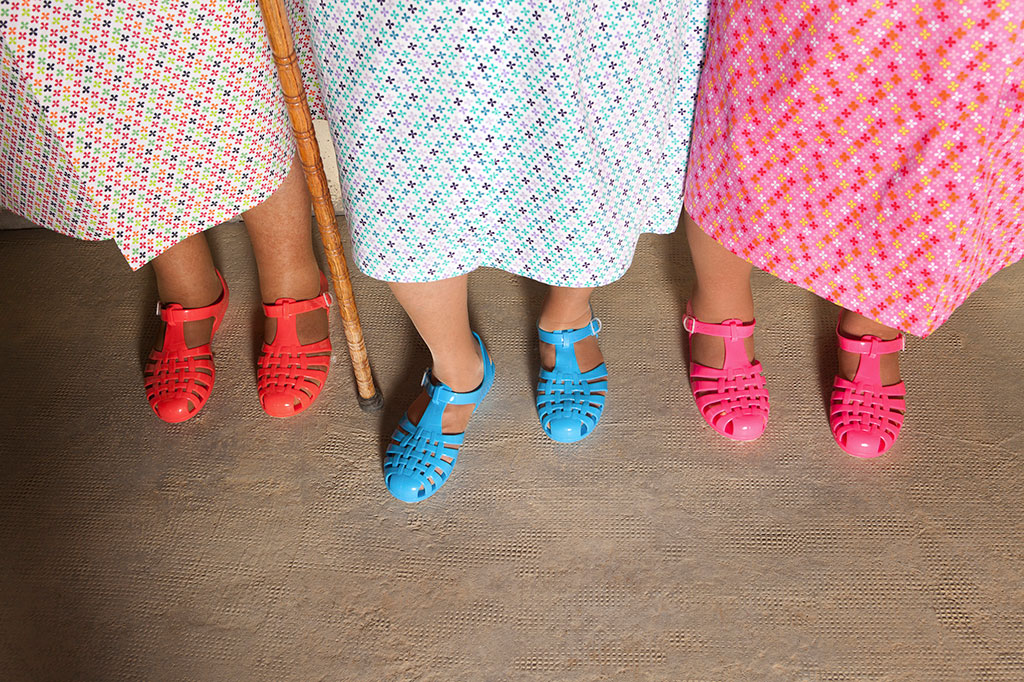
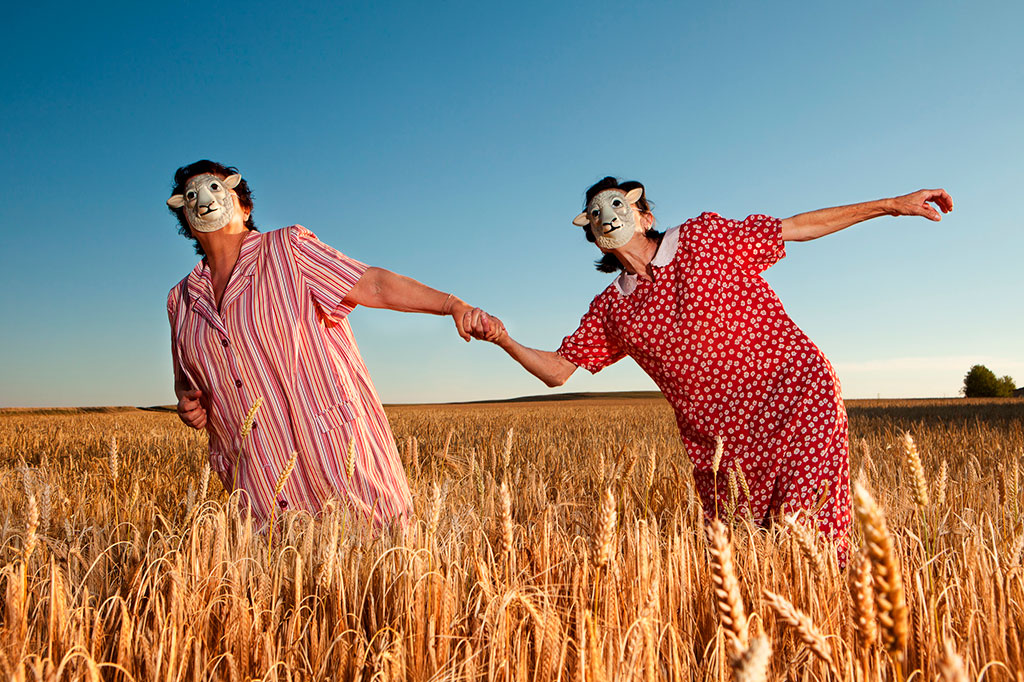
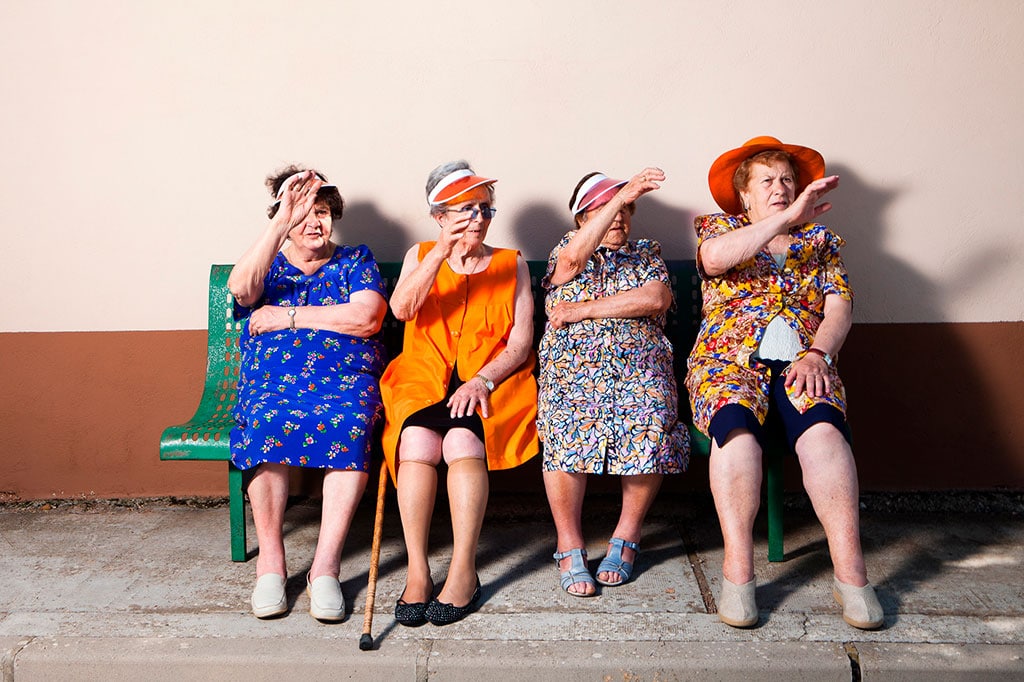
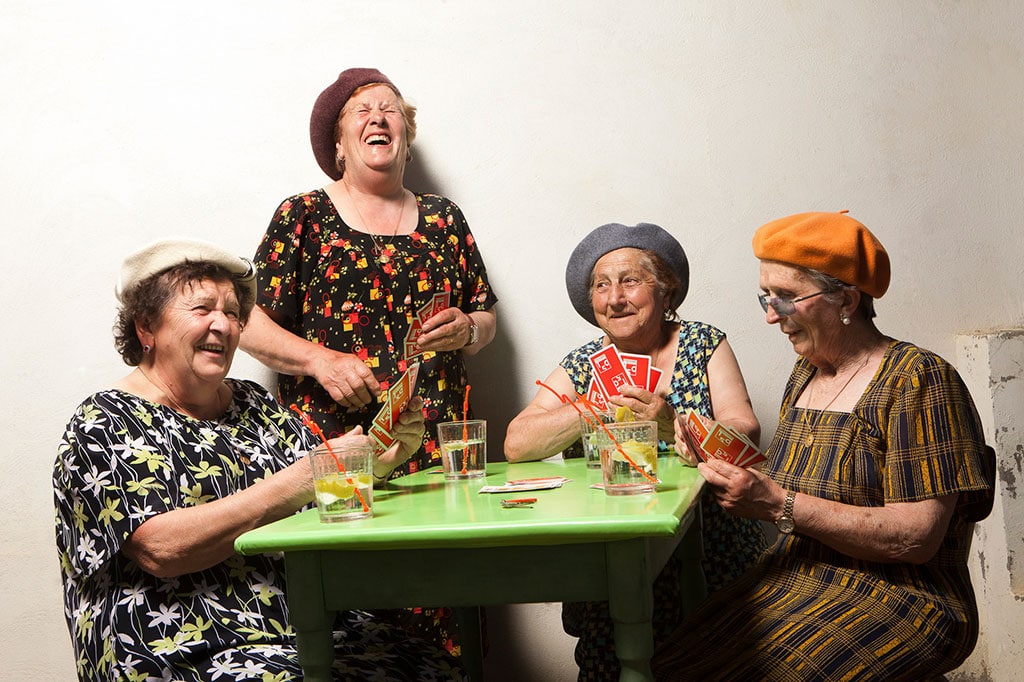
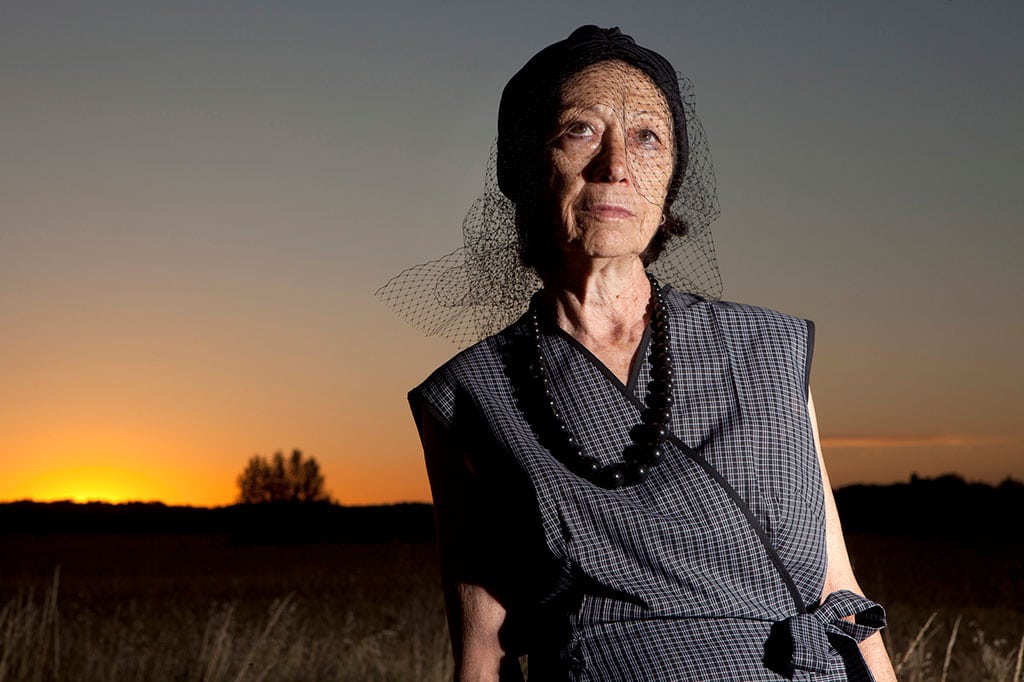
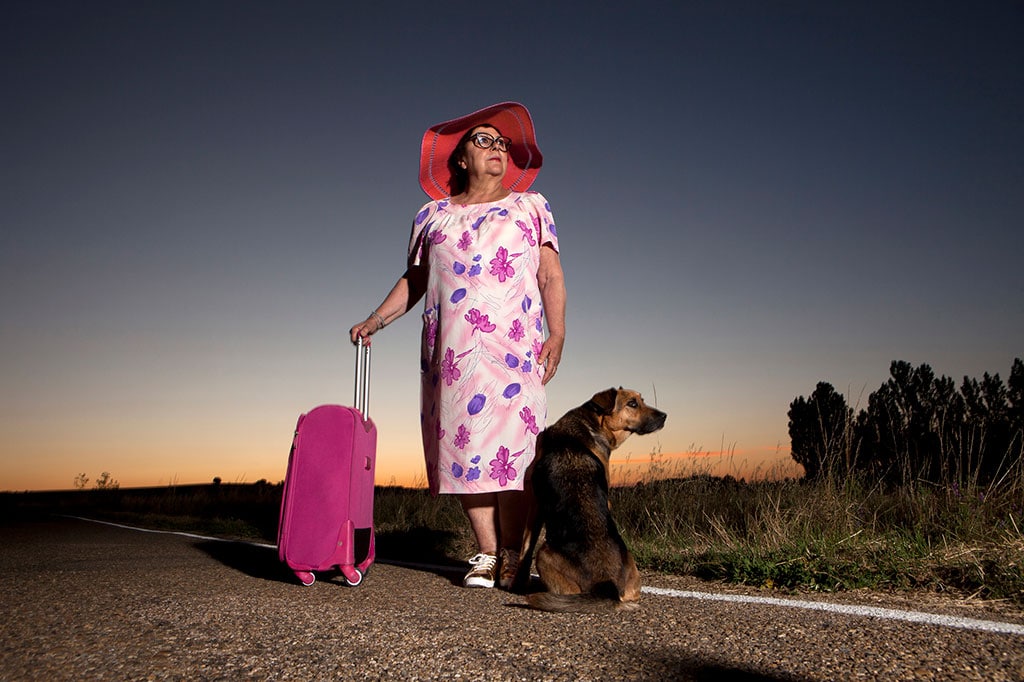
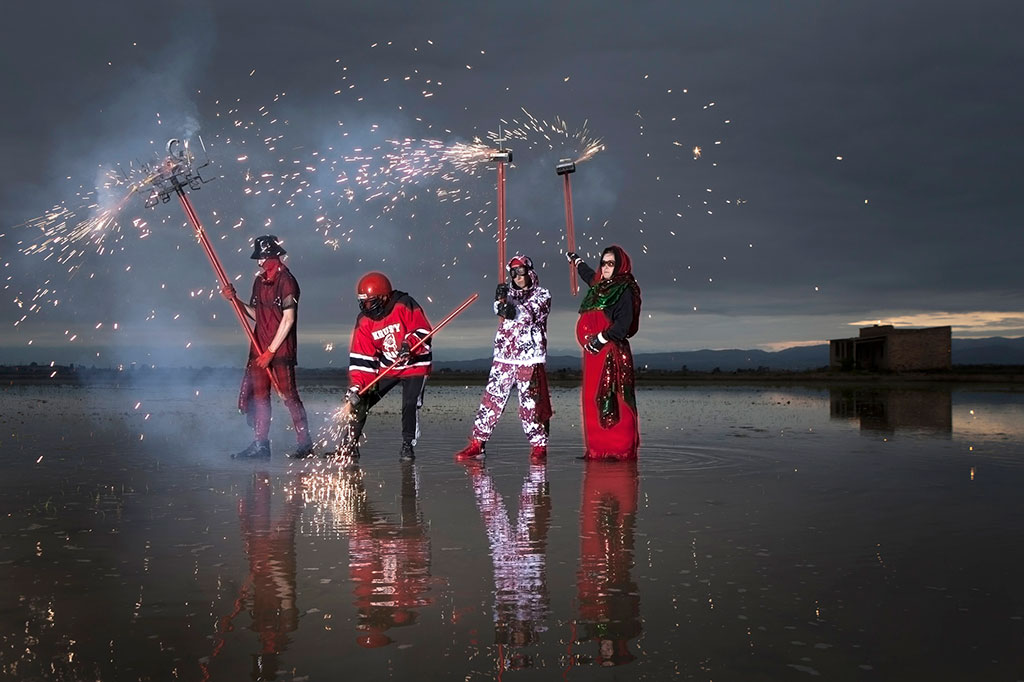
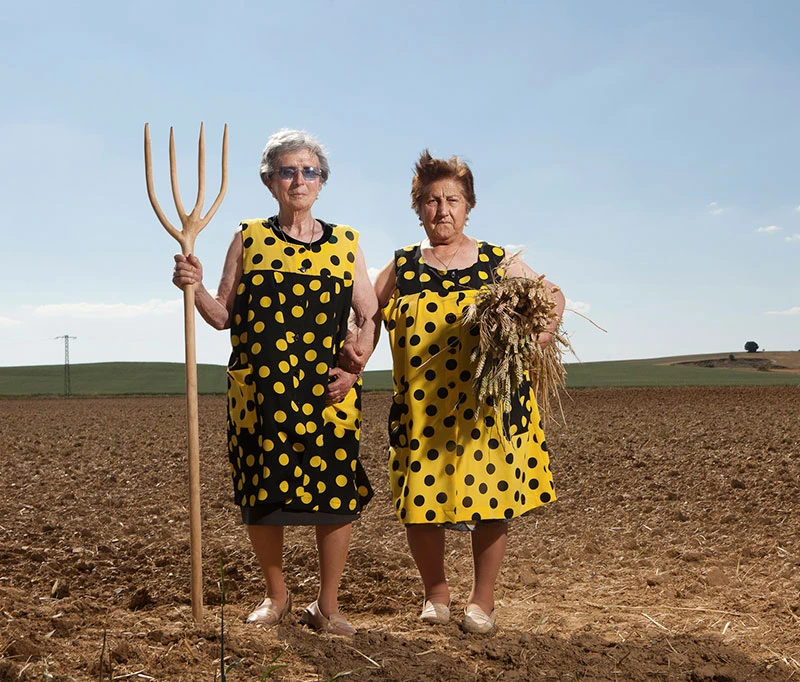
This project pays tribute to a very specific type of woman. The “bata” is the work dress she wears. This woman was the matriarch in a strongly patriarchal society. Raised to take care of her family, she rarely thought about her own dreams. We are talking about a group that is underrepresented and underappreciated. I want to give them a voice and the tribute they deserve. This type of woman is in danger of extinction, just like the “bata”. In Spain, they are the last generation. The photo sessions for this series are a creative adventure where these women enter into a state of play without even realizing it. I portray them in their villages, inside their homes and workplaces. They break their strong mental and time routines. They transform themselves and, at the same time, transform their environment.

I believe in a magical area during our sessions where the “women in robes” feel free to express their creative madness. The project itself is an empowering experience. This is the true tribute and not just the final images. The robe is the focal point around which my study revolves. From here, I analyze gender issues, sociopolitical changes in society, and human landscapes. These women have been part of my childhood. Strength and affection are the qualities that define them. My generation has been raised by them. But we, modern women, have changed our roles. Every step forward requires a look back to see what we are leaving behind and understand where we want to go. Humor is an important component of my work. It is the gateway to reach different levels of interpretation.
For this documentary project I traveled to a village in deep Spain: Villarmienzo, lost among wheat plains and practically uninhabited due to depopulation and rural exodus.I convinced six local 80-year-old women to let me photograph them.I dressed them in classic “robes” and also included some elegant ones designed by me.It’s a documentary project in the style of what I call “Fantastic Anthropology”.This term refers to the science of studying human beings mixed with a conceptual (fantastic) approach.The characters are real but there is an intervention from outside and a certain level of participation and play with self-representation.Here we see chapter one of an ongoing project, although independent in itself as it exhibits and publishes as a consistent story.The study is intended to grow through various geographical locations, telling different stories and experiencing a different style of representation with each chapter.

Lucía Herrero estudia Arquitectura, Fotografía y Teatro Físico. Su obra fotográfica ha ganado premios internacionales y su estilo en fotografía documental/artística ha interesado a comisarios y editores de todo el mundo. Las imágenes de Lucía se exhiben a nivel internacional en museos, galerías y festivales de fotografía. Durante los últimos años ha desarrollado un enfoque de la fotografía documental llamado por ella “Antropología Fantástica”. Es una mezcla entre ciencias sociales e intervención artística. Retrata personas y culturas con elementos dramáticos y fantásticos.

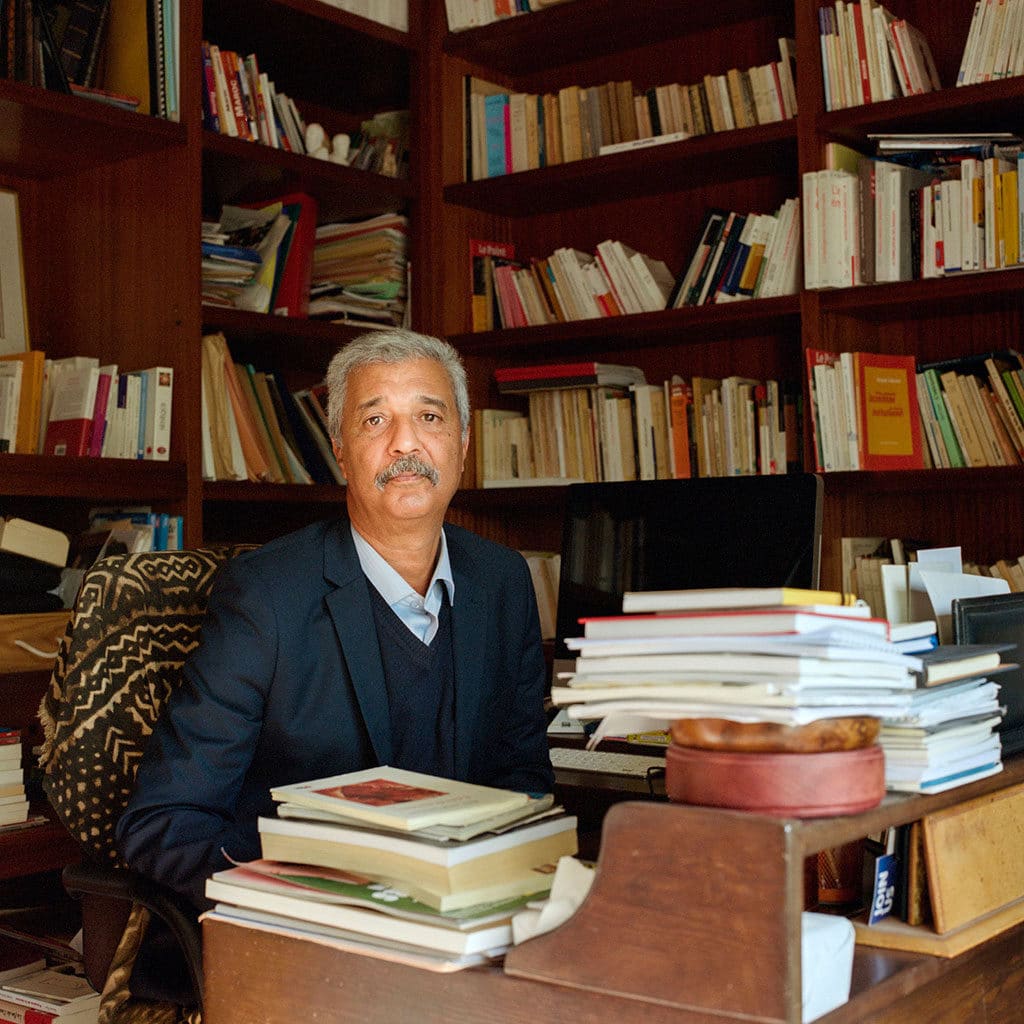
M’hammed Kilito

Destiny (Festival Revela’t 2020)

M’hammed Kilito

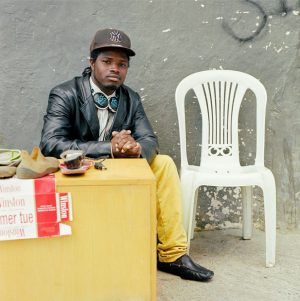
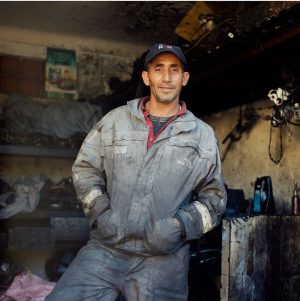
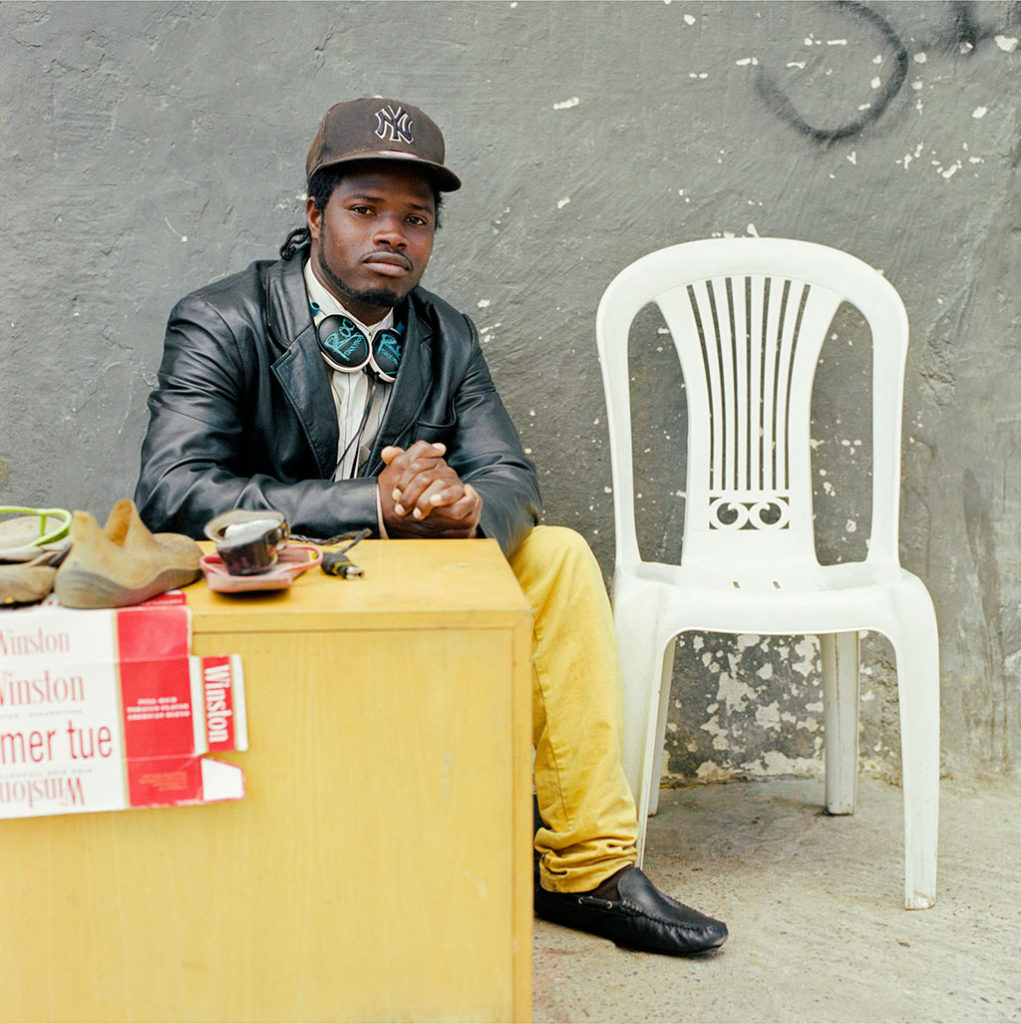
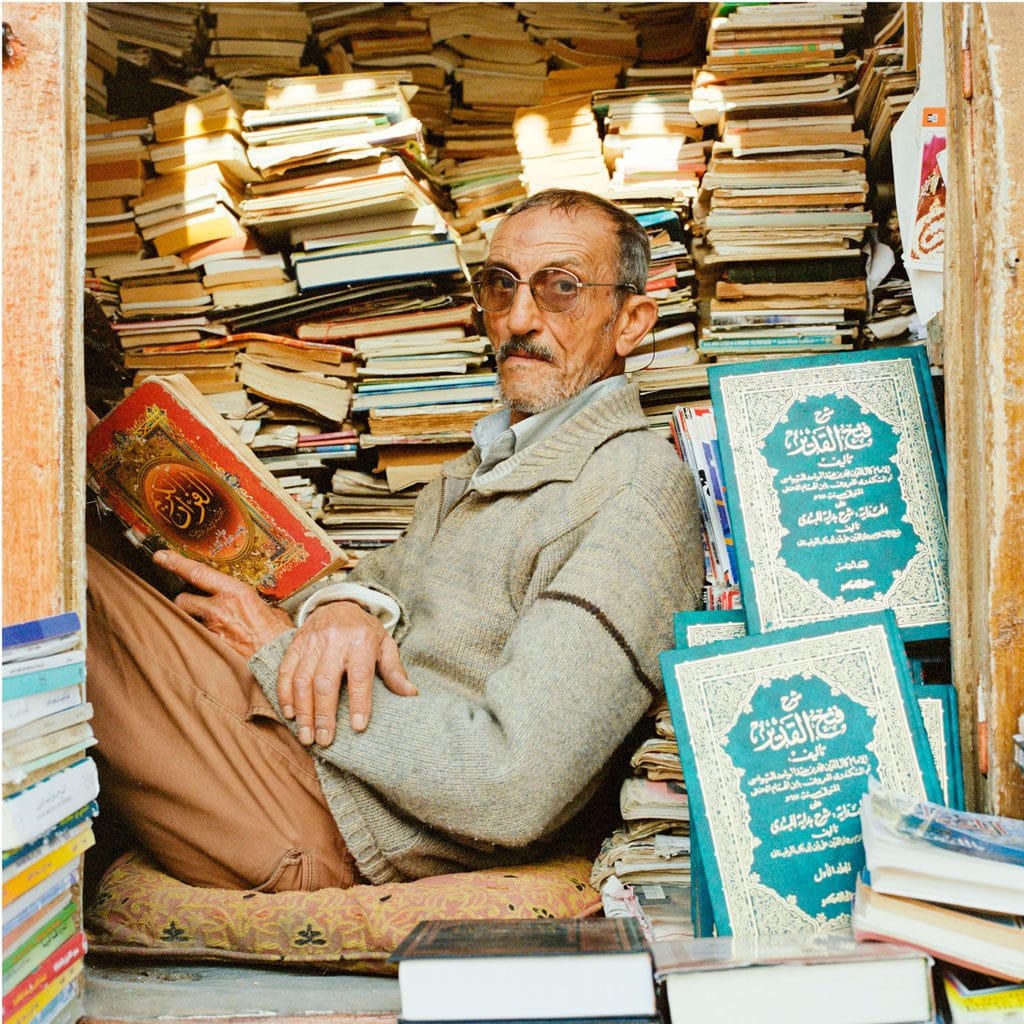
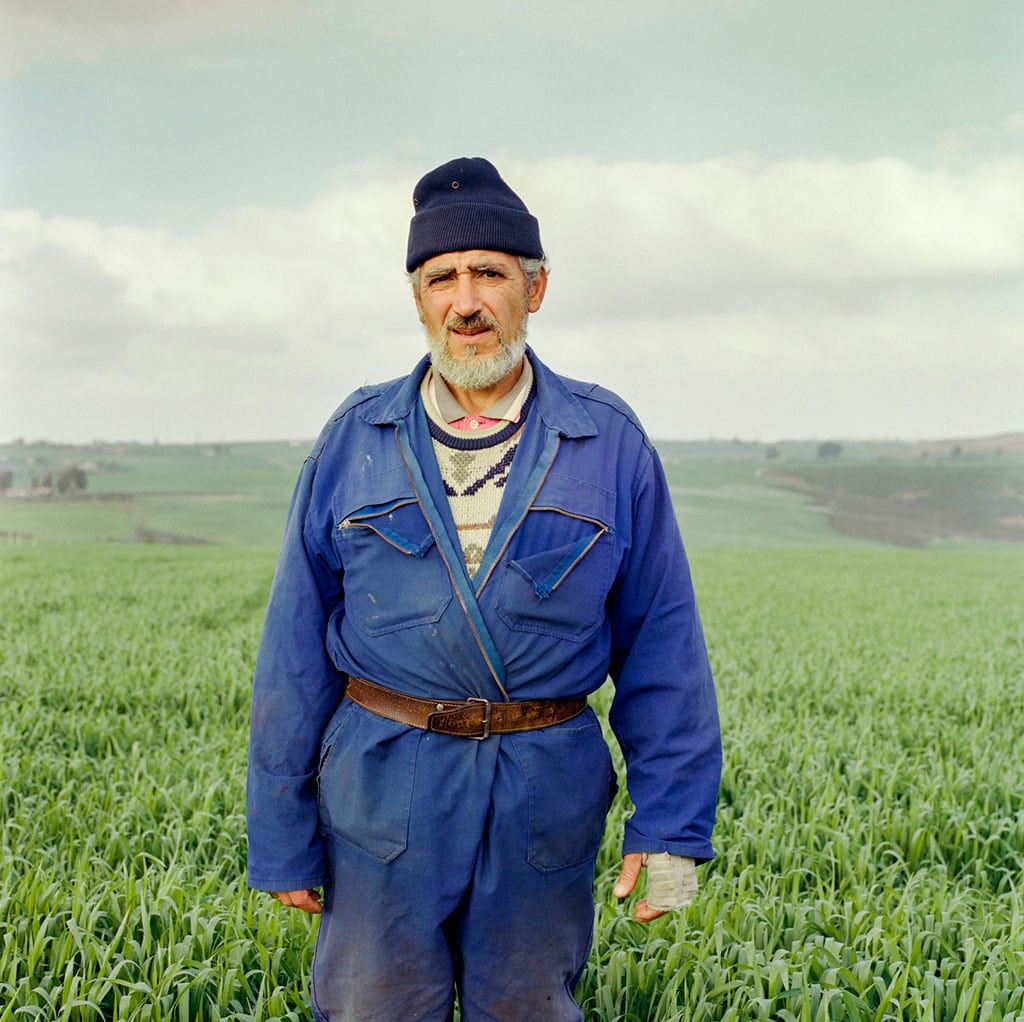
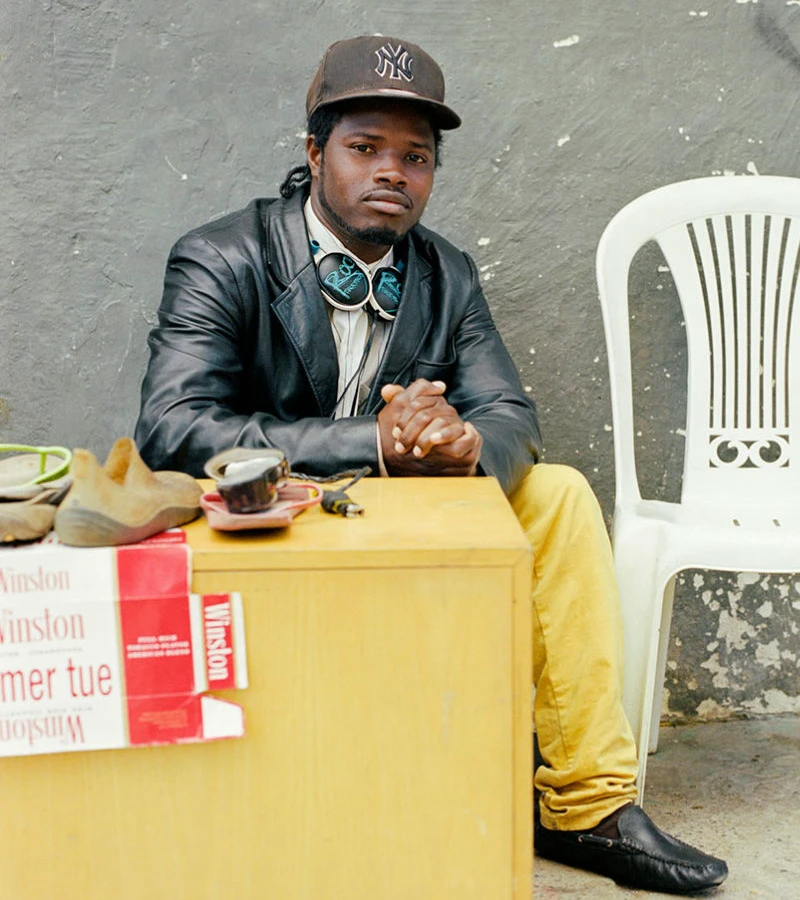
Destiny is a photographic project that arises from a personal experience. When we were kids, we used to play a lot of soccer in the neighborhood where I grew up. When we reached high school, we went our separate ways. However, the story of a close friend had left a deep impression on me. His father came to see him one day to explain that he could no longer support the family, and asked him to drop out of school and start working as an apprentice butcher.
My friend was 14 years old, and his choice of profession and life were sealed by socioeconomic determinism.

M’hammed Kilito (Morocco)
Photographer M’hammed Kilito’s work addresses issues related to cultural identity and the human condition. He is a National Geographic Explorer and a member of the African Photojournalism Database. He contributes to Everyday Middle East and North Africa. M’hammed’s work has been featured in numerous countries and published in different magazines around the world.

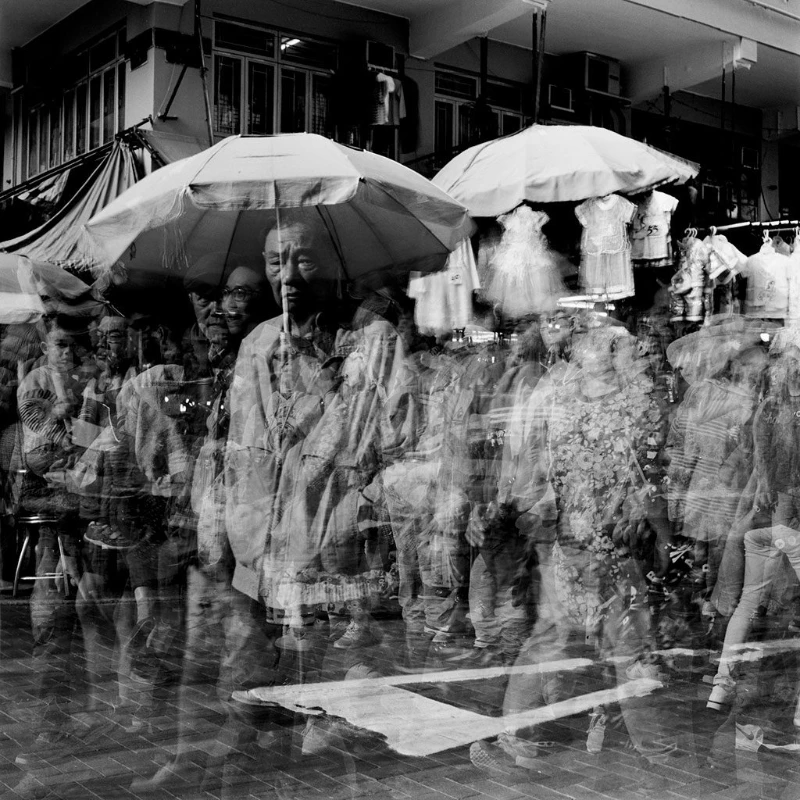
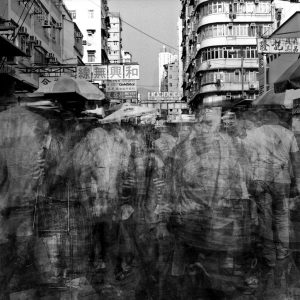
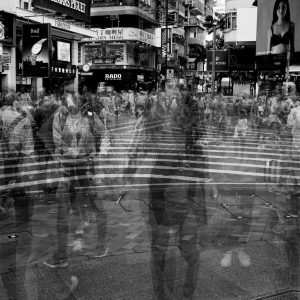
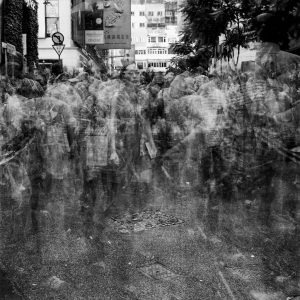
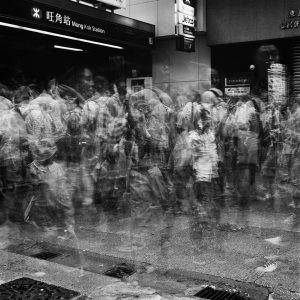
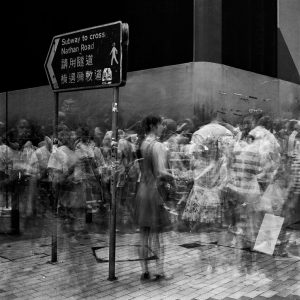
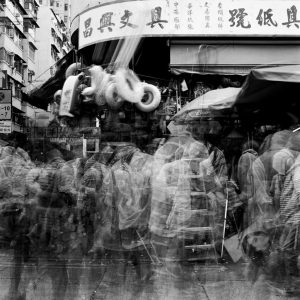
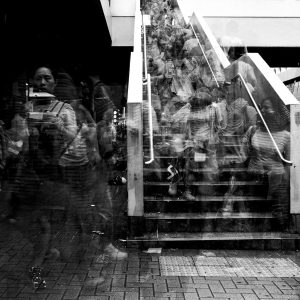
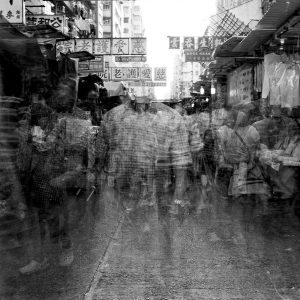
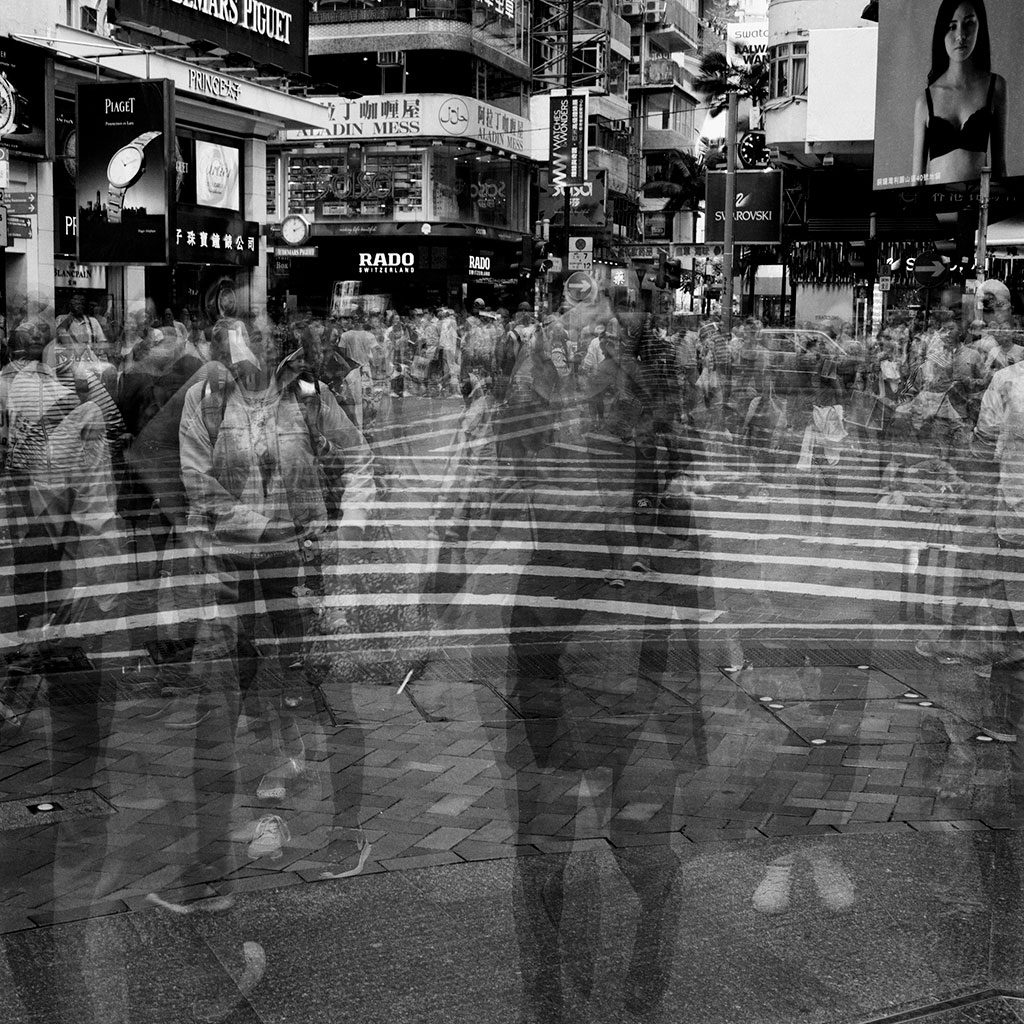
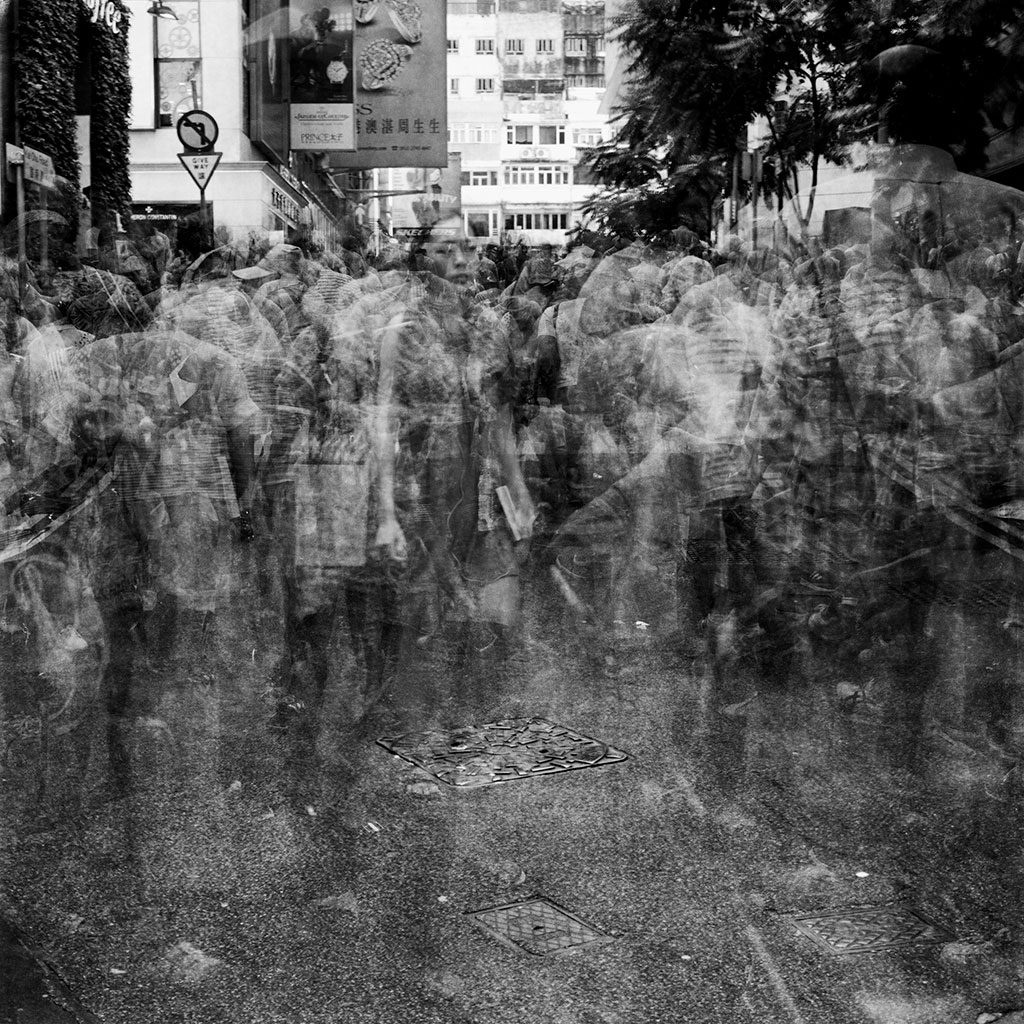
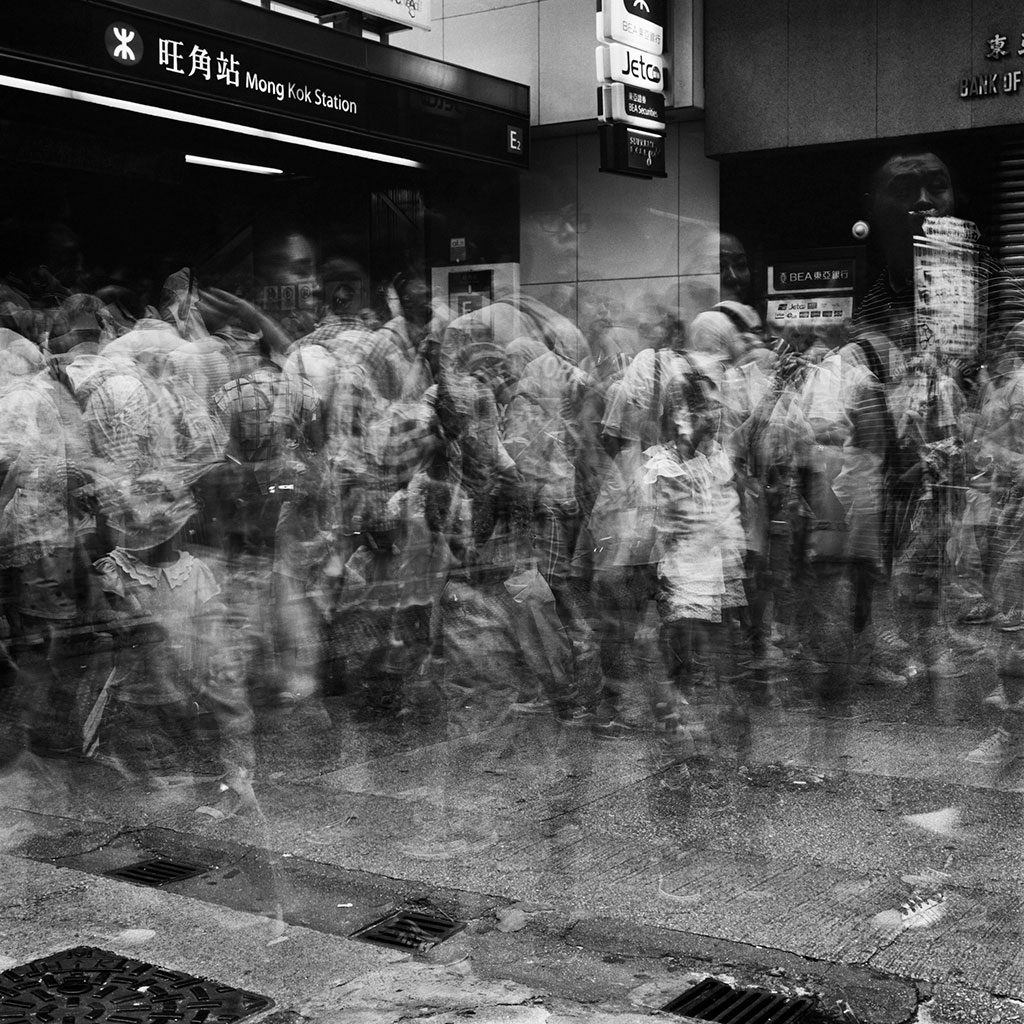
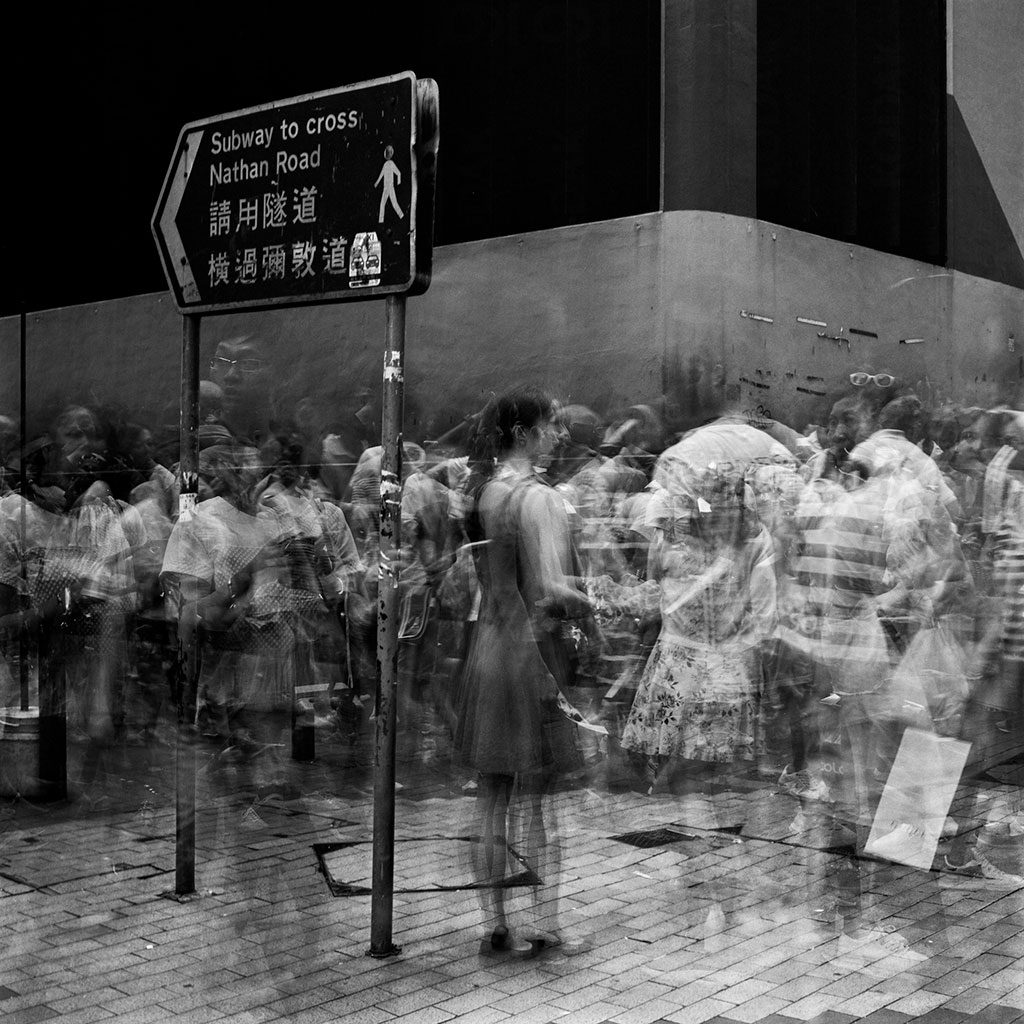
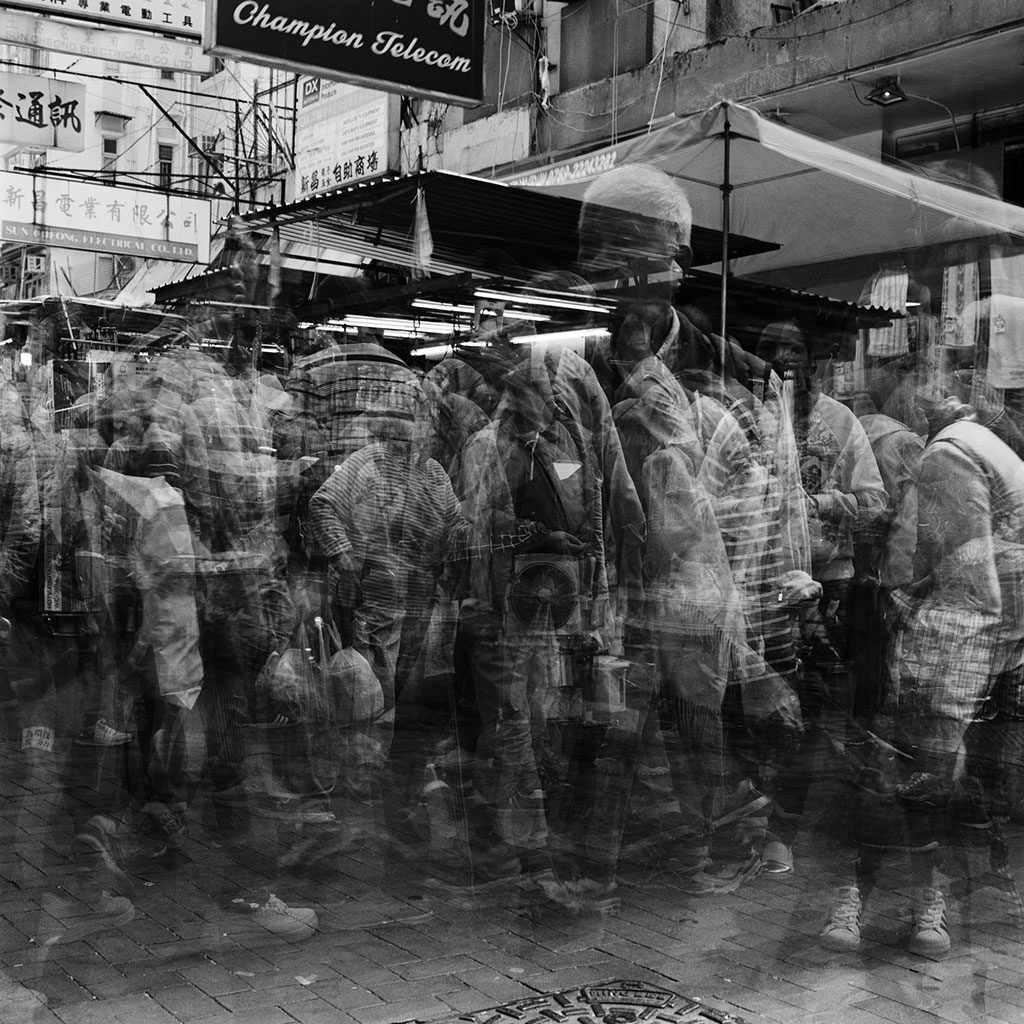
Zhou Hanshun

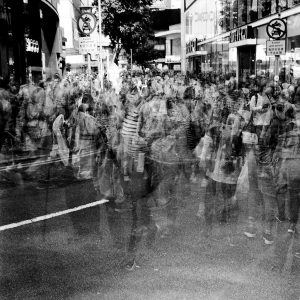
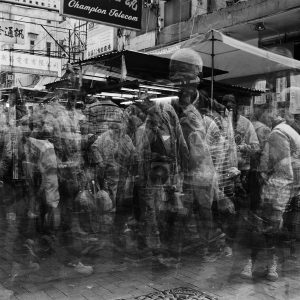
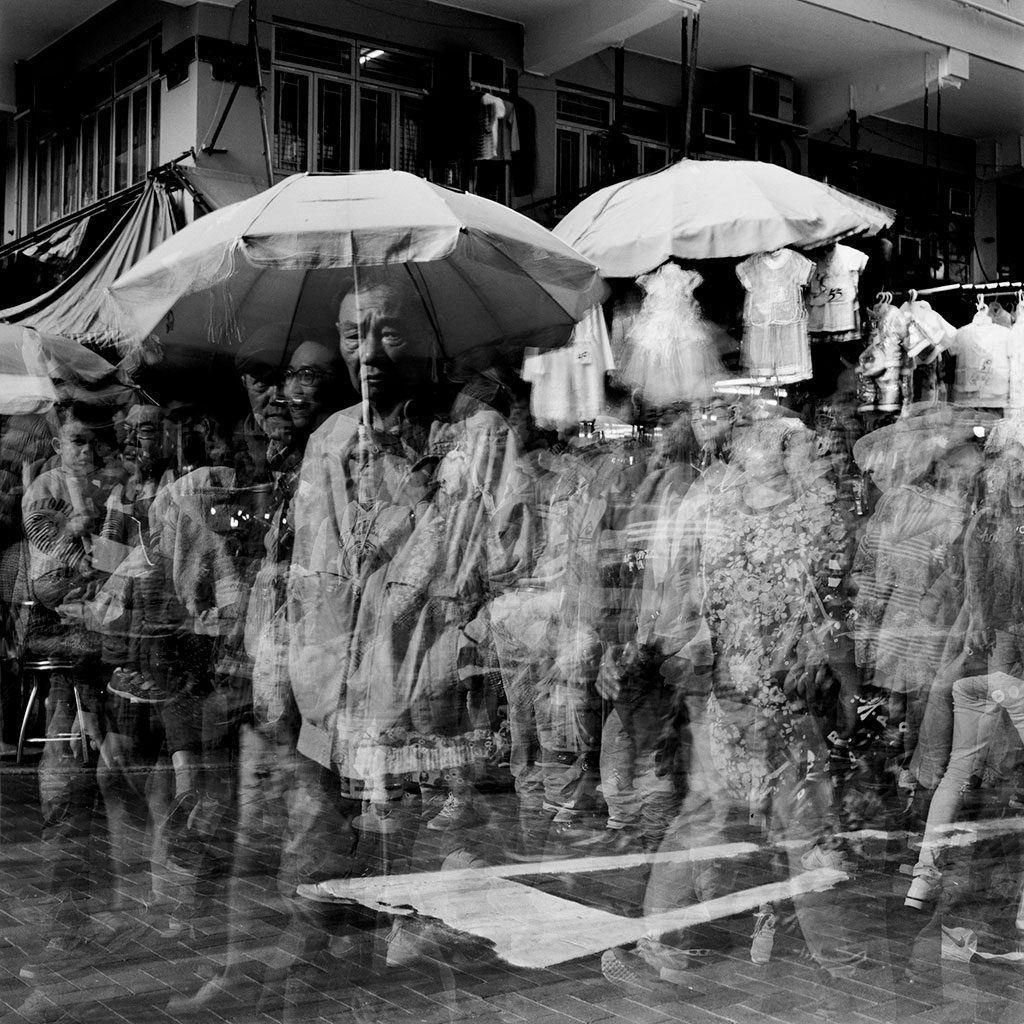
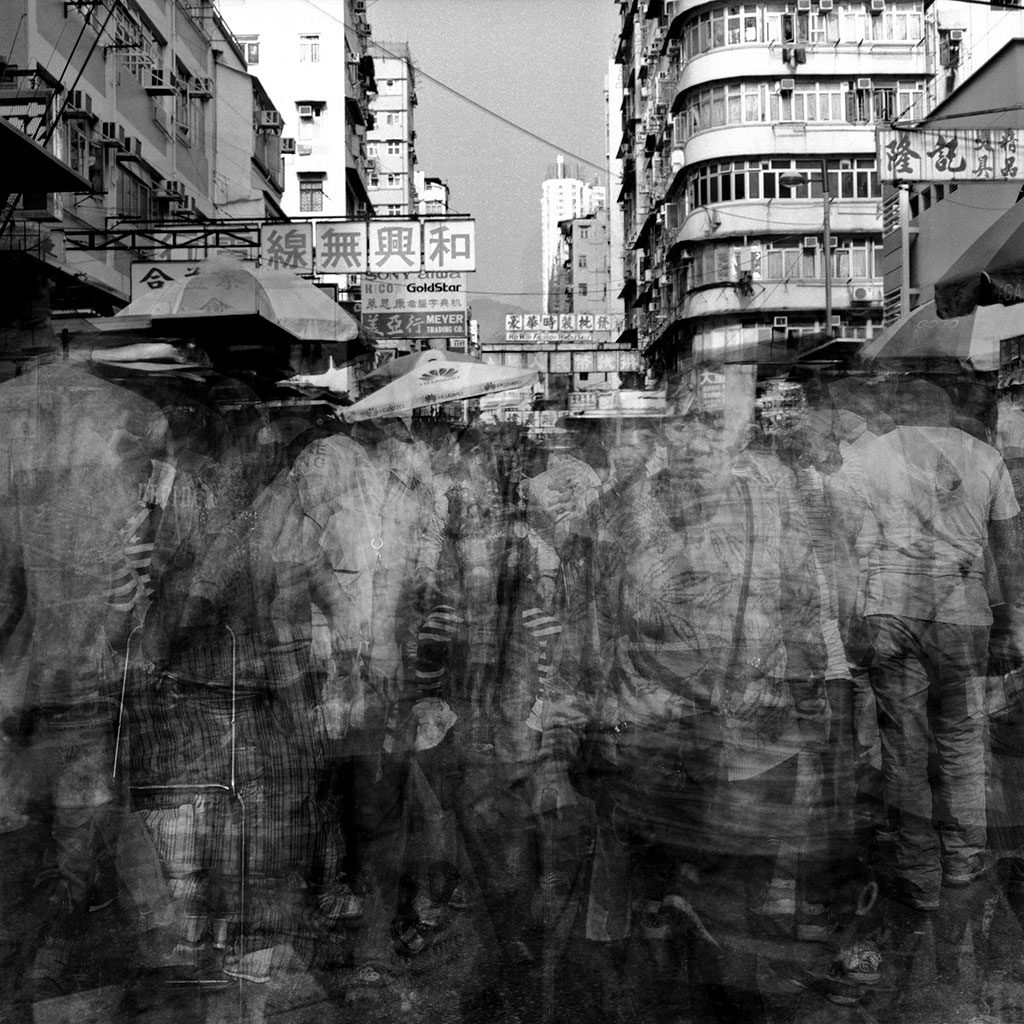
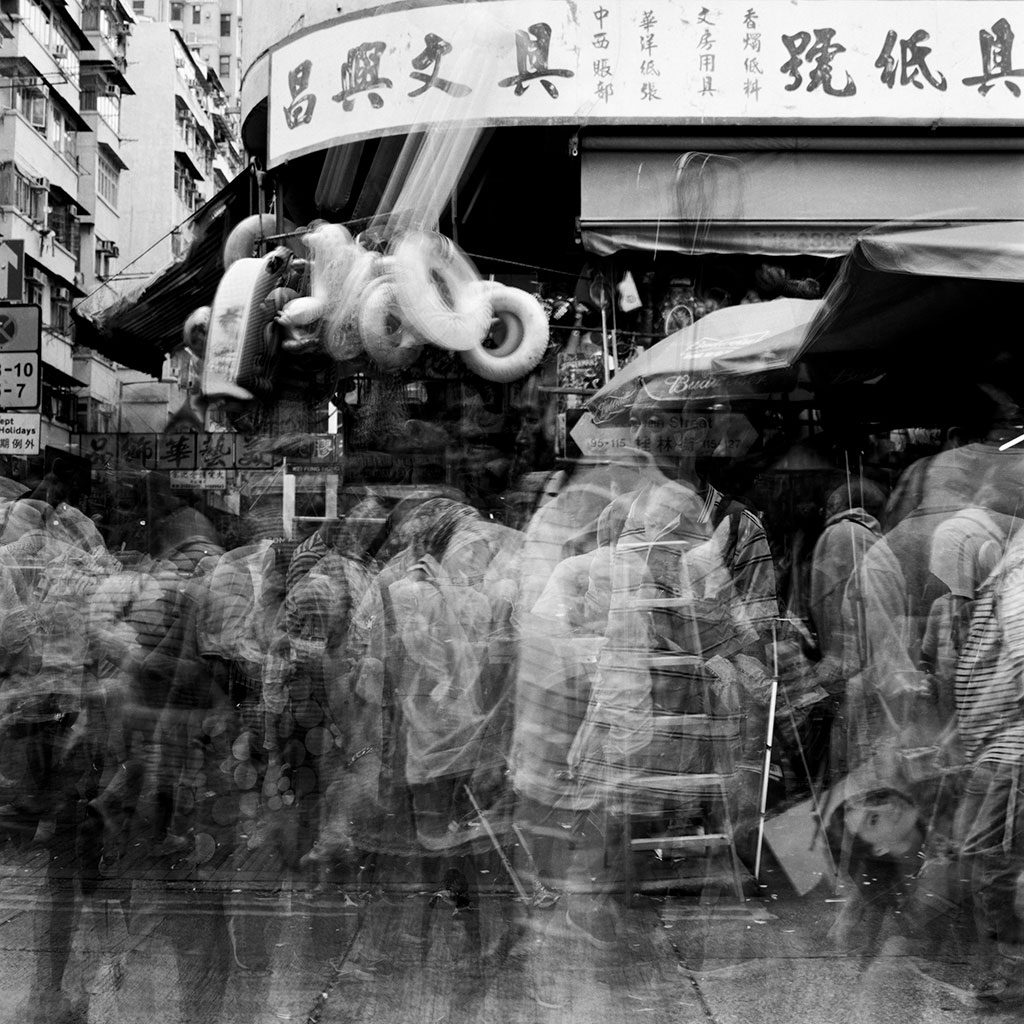
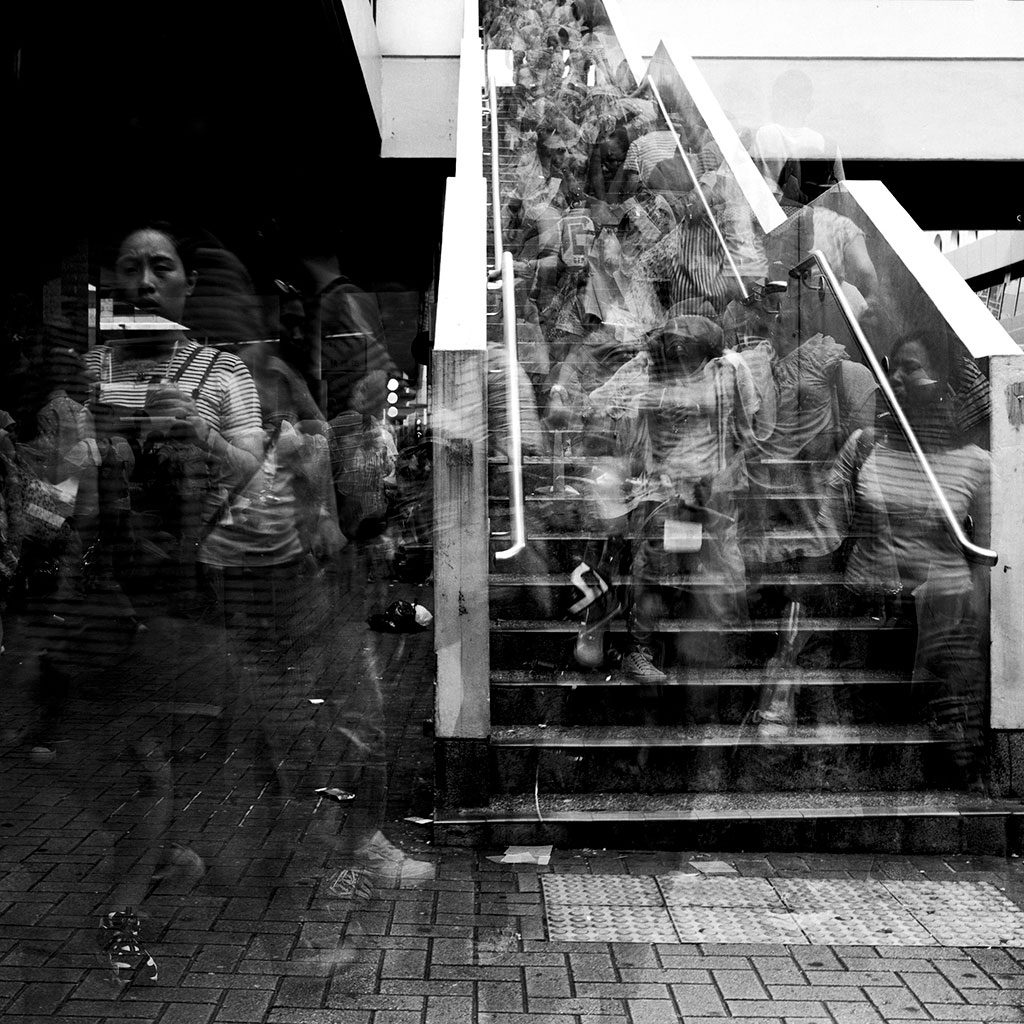
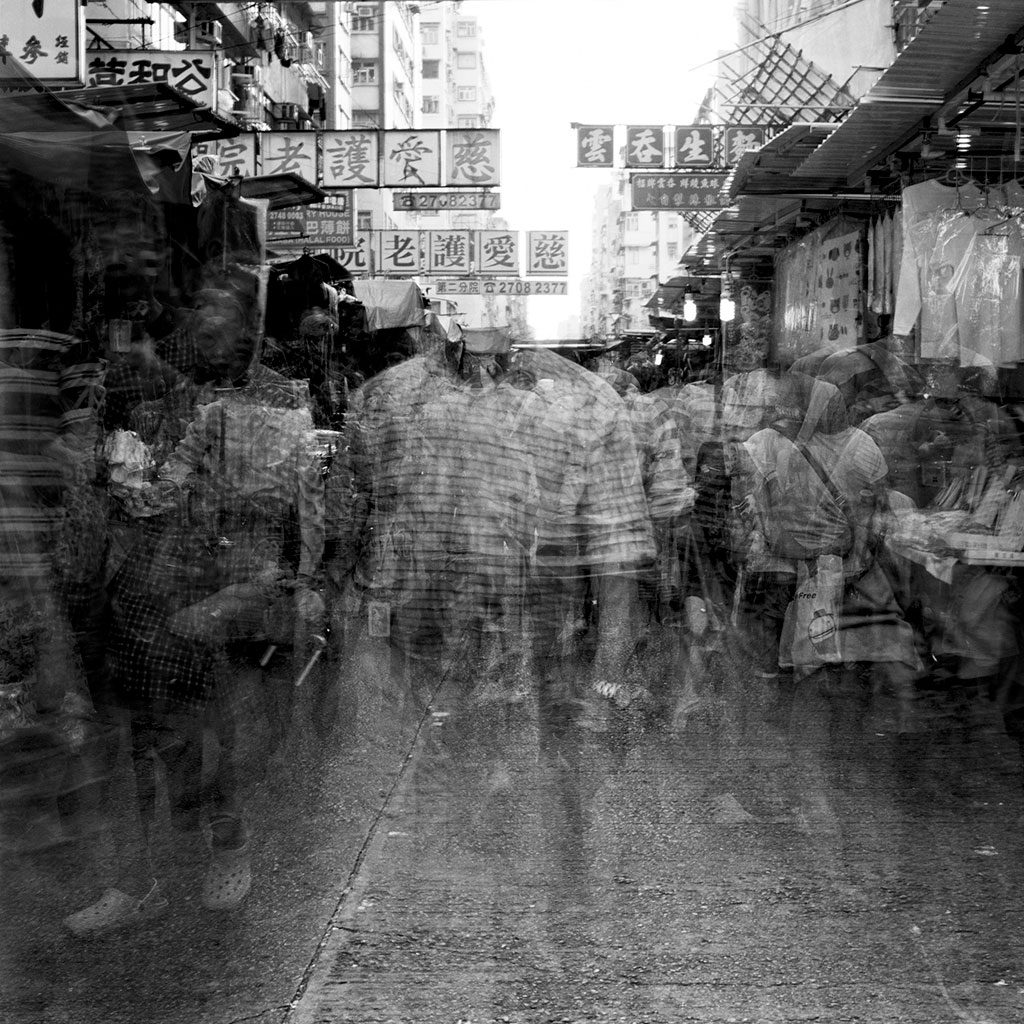
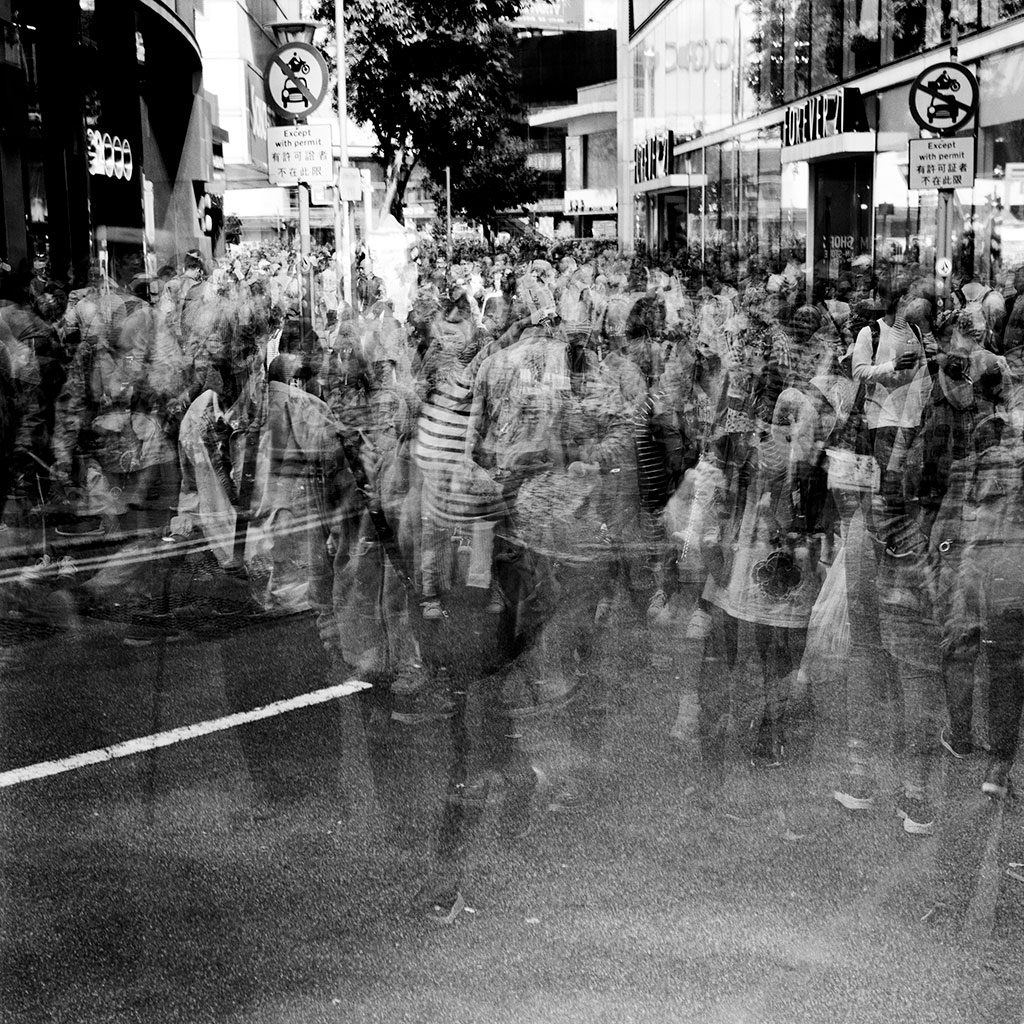
Frenetic City (Festival Revela’t 2020)

Zhou Hanshun

Destiny is a photographic project that arises from a personal experience. When we were kids, we used to play a lot of soccer in the neighborhood where I grew up. When we reached high school, we went our separate ways. However, the story of a close friend had left a deep impression on me. His father came to see him one day to explain that he could no longer support the family, and asked him to drop out of school and start working as an apprentice butcher.
My friend was 14 years old, and his choice of profession and life were sealed by socioeconomic determinism.

M’hammed Kilito (Morocco)
Photographer M’hammed Kilito’s work addresses issues related to cultural identity and the human condition. He is a National Geographic Explorer and a member of the African Photojournalism Database. He contributes to Everyday Middle East and North Africa. M’hammed’s work has been featured in numerous countries and published in different magazines around the world.

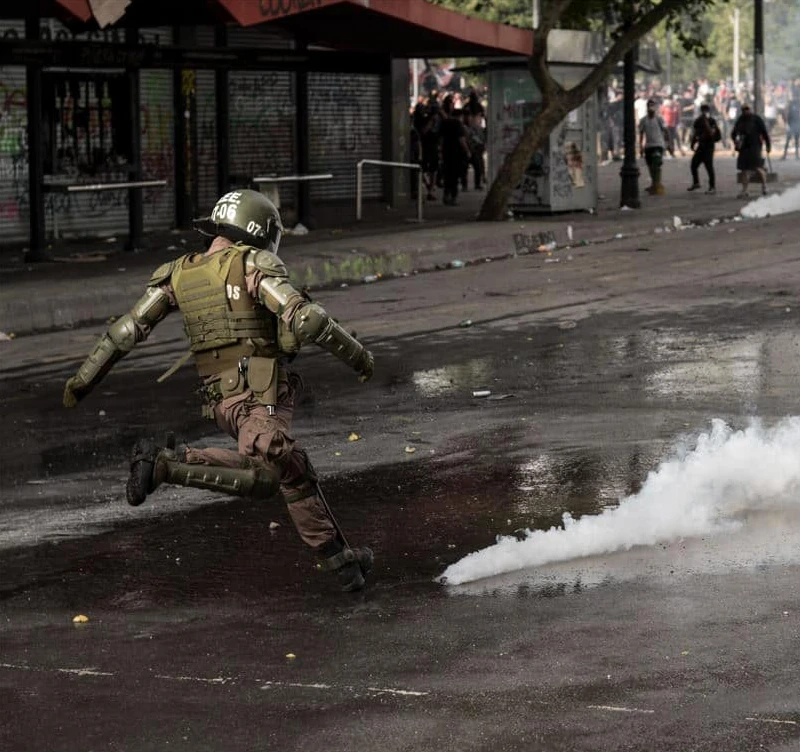
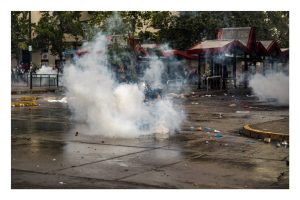
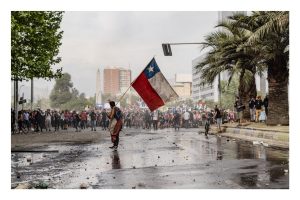
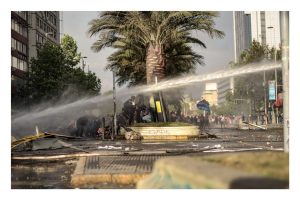
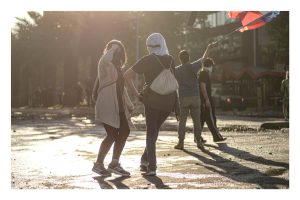
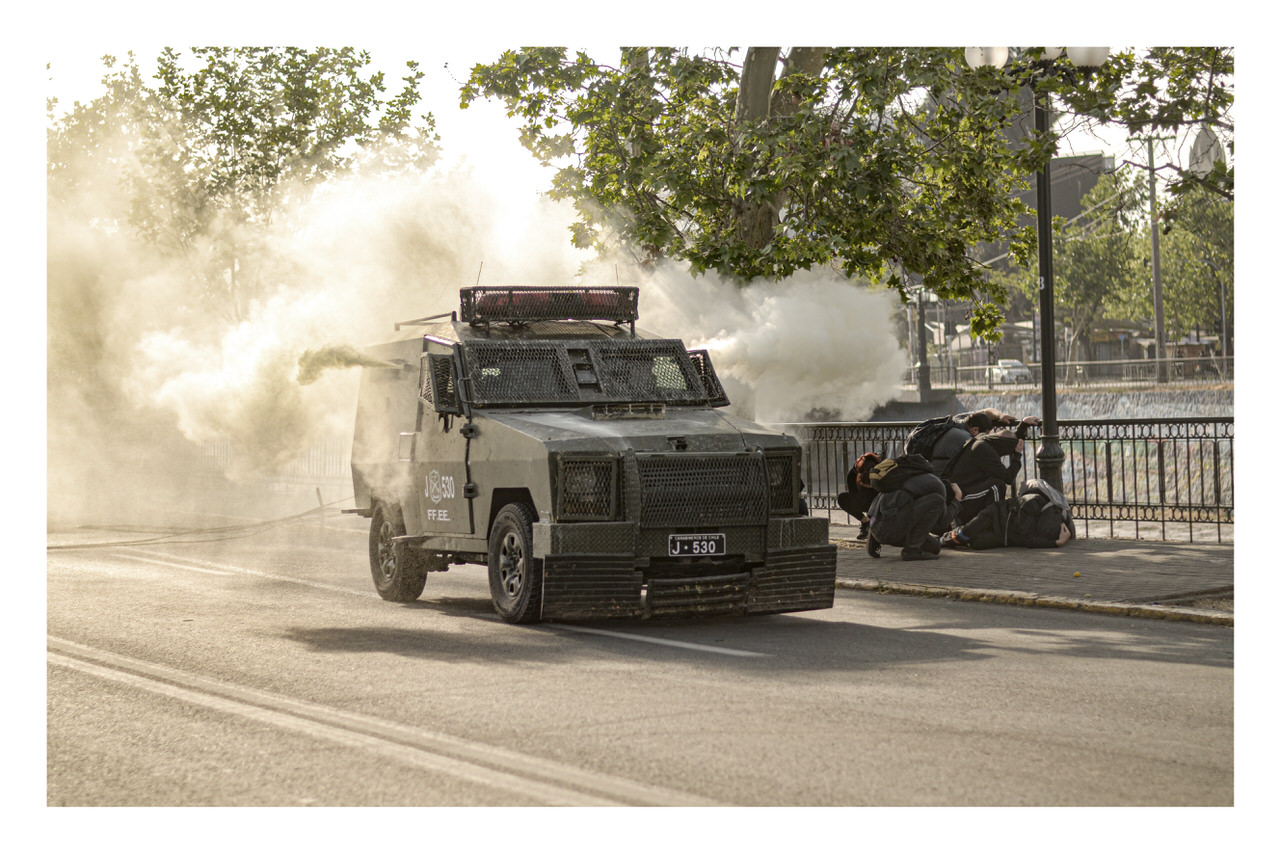
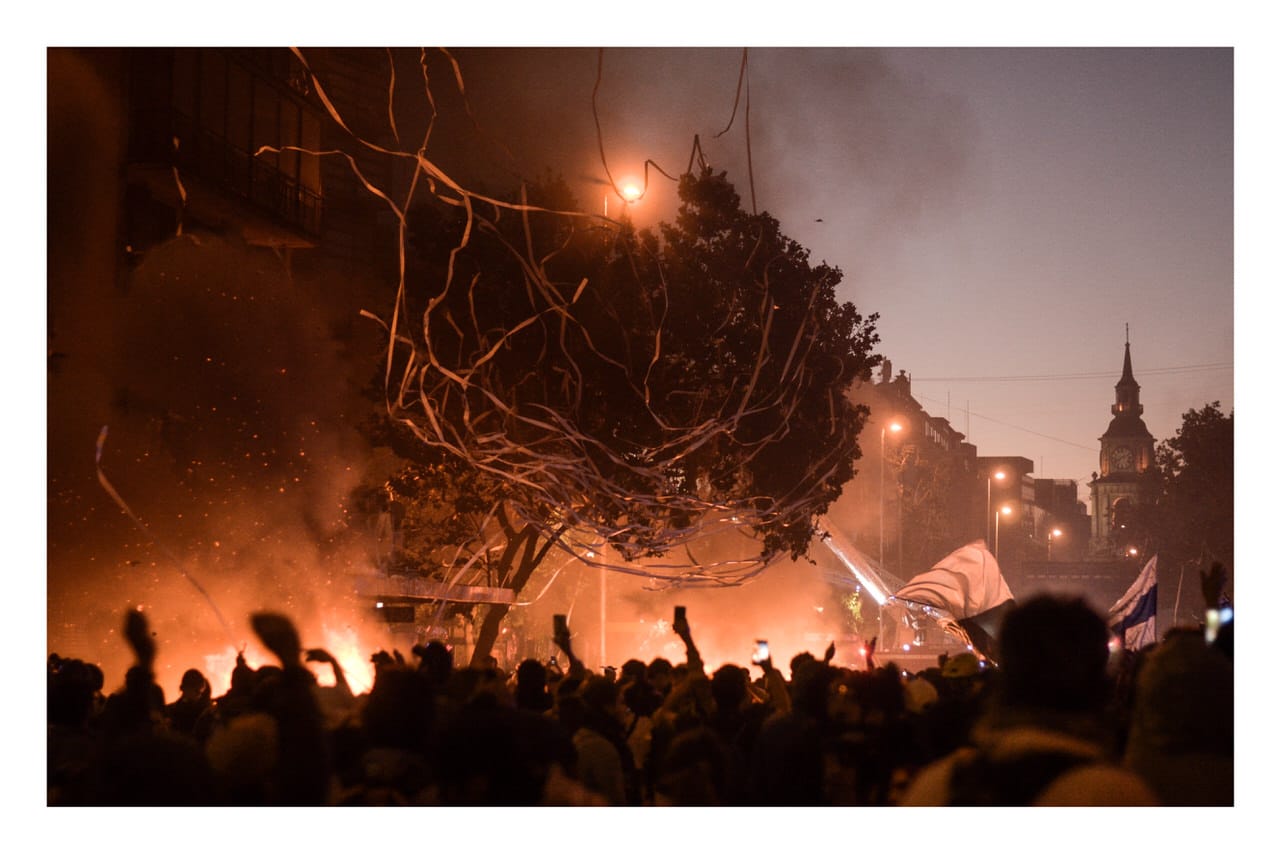
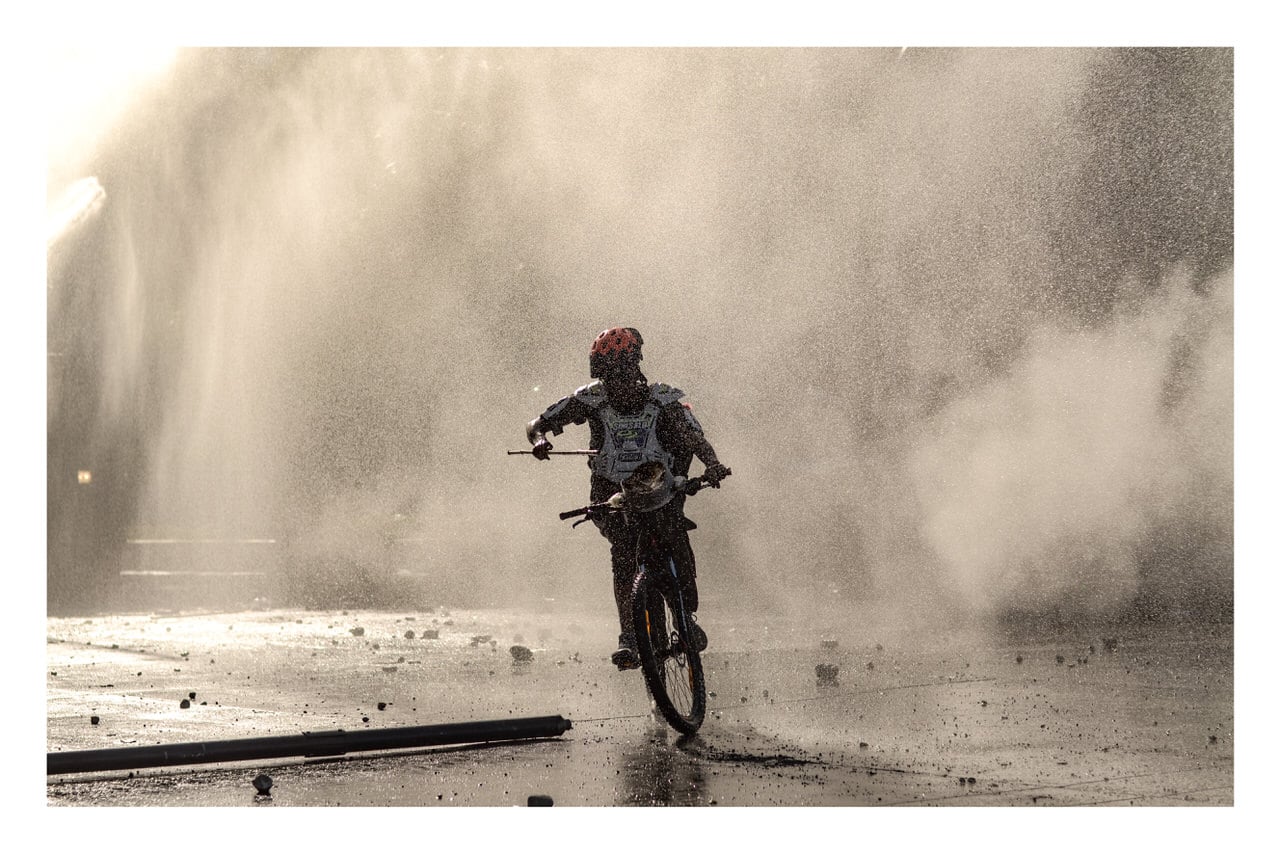
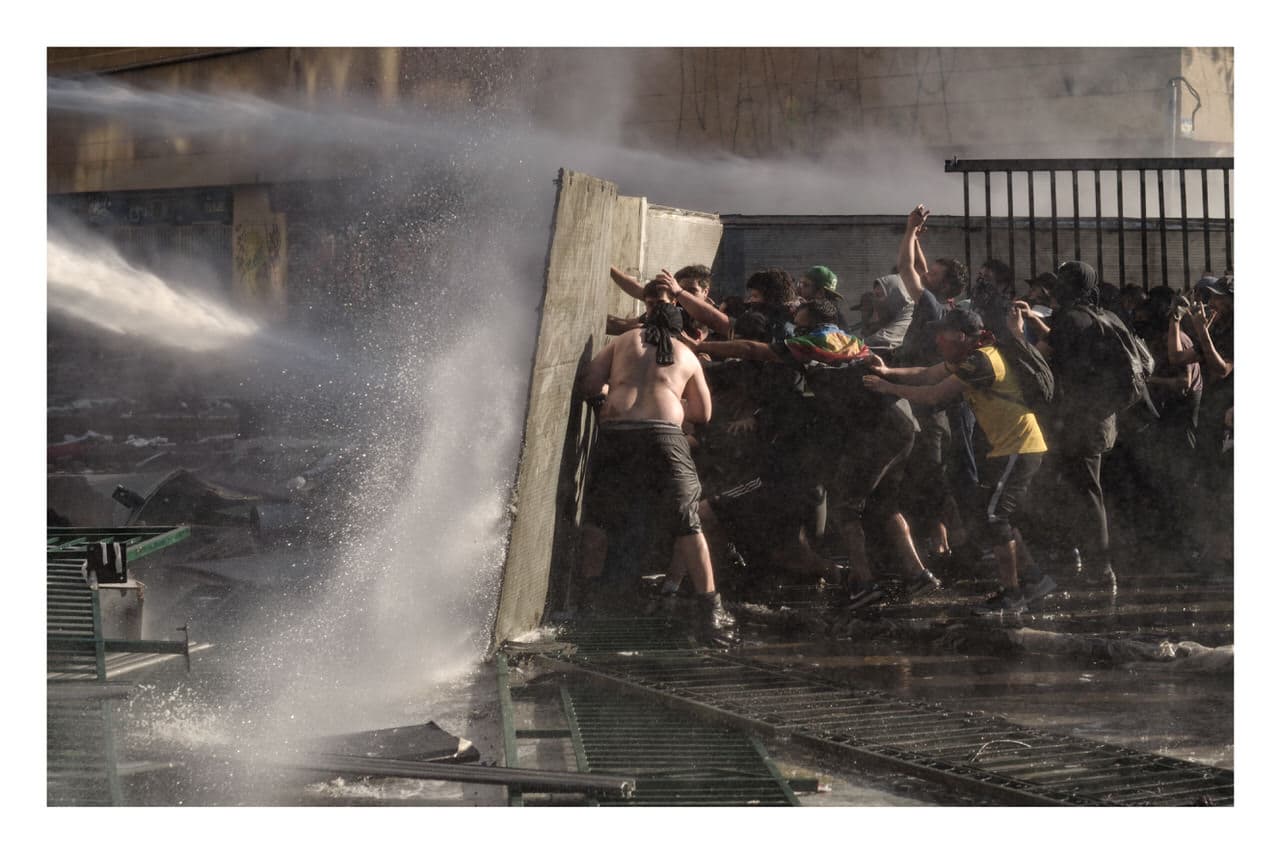
Andrés Mellado Peralta

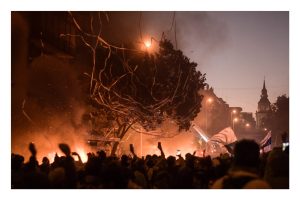
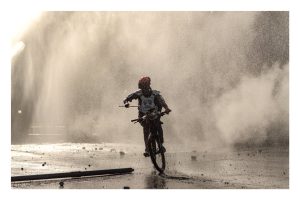
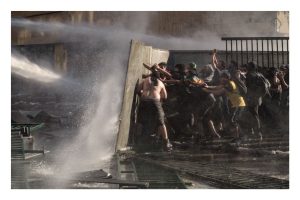
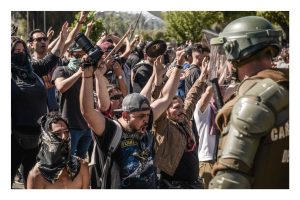
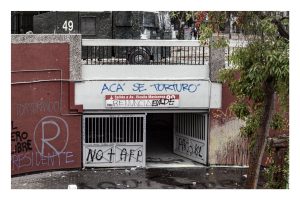
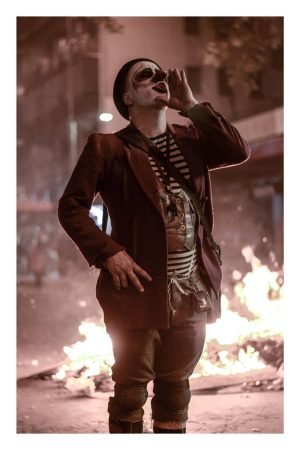
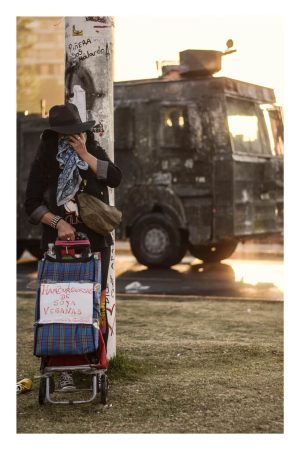
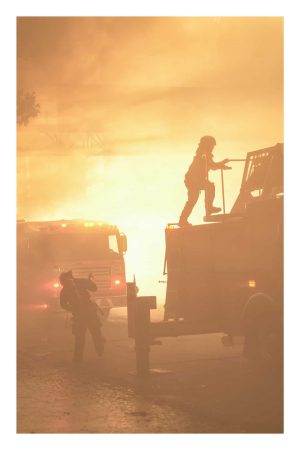
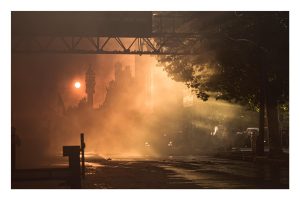
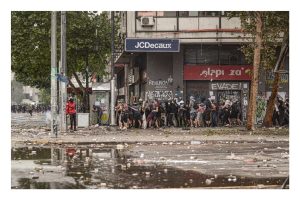
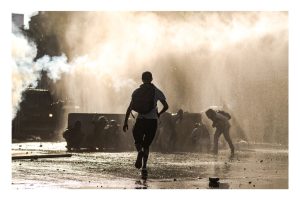
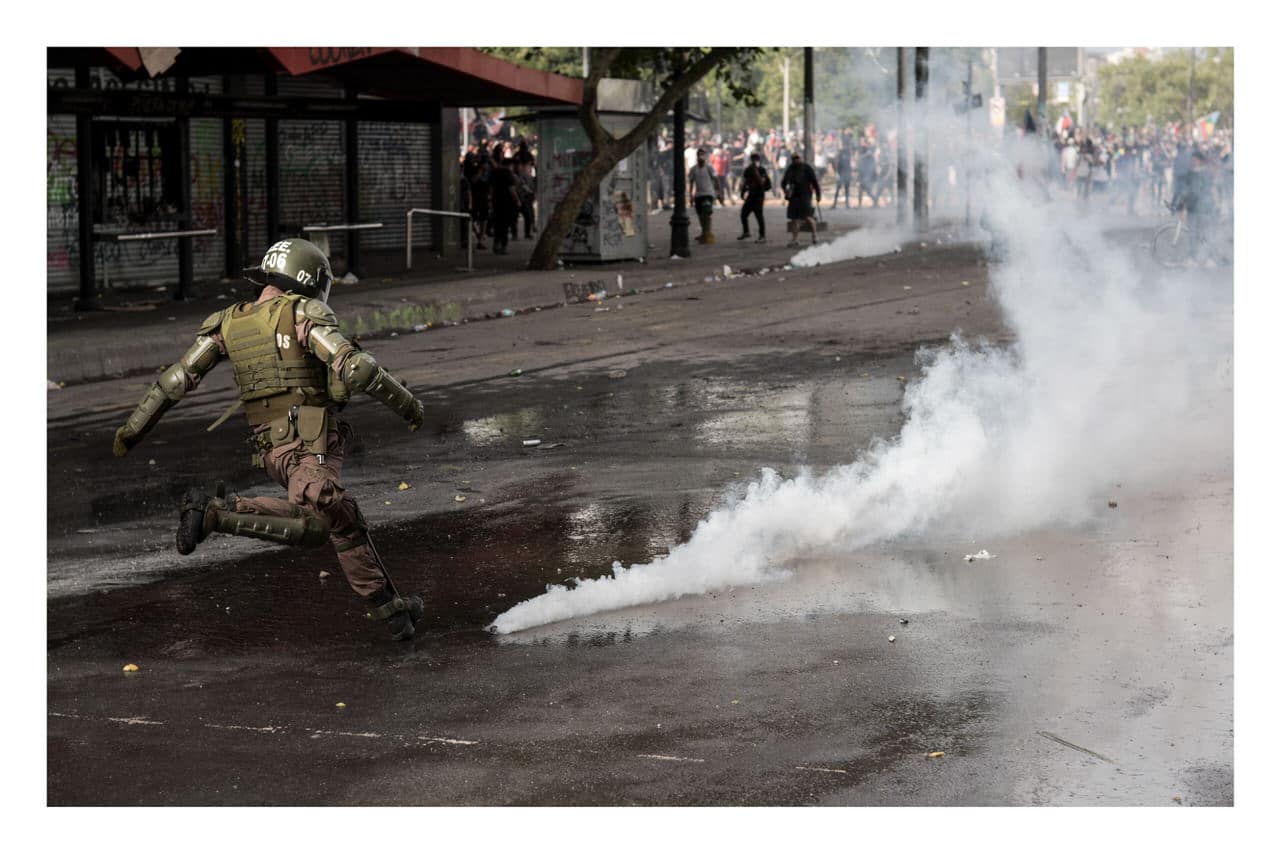
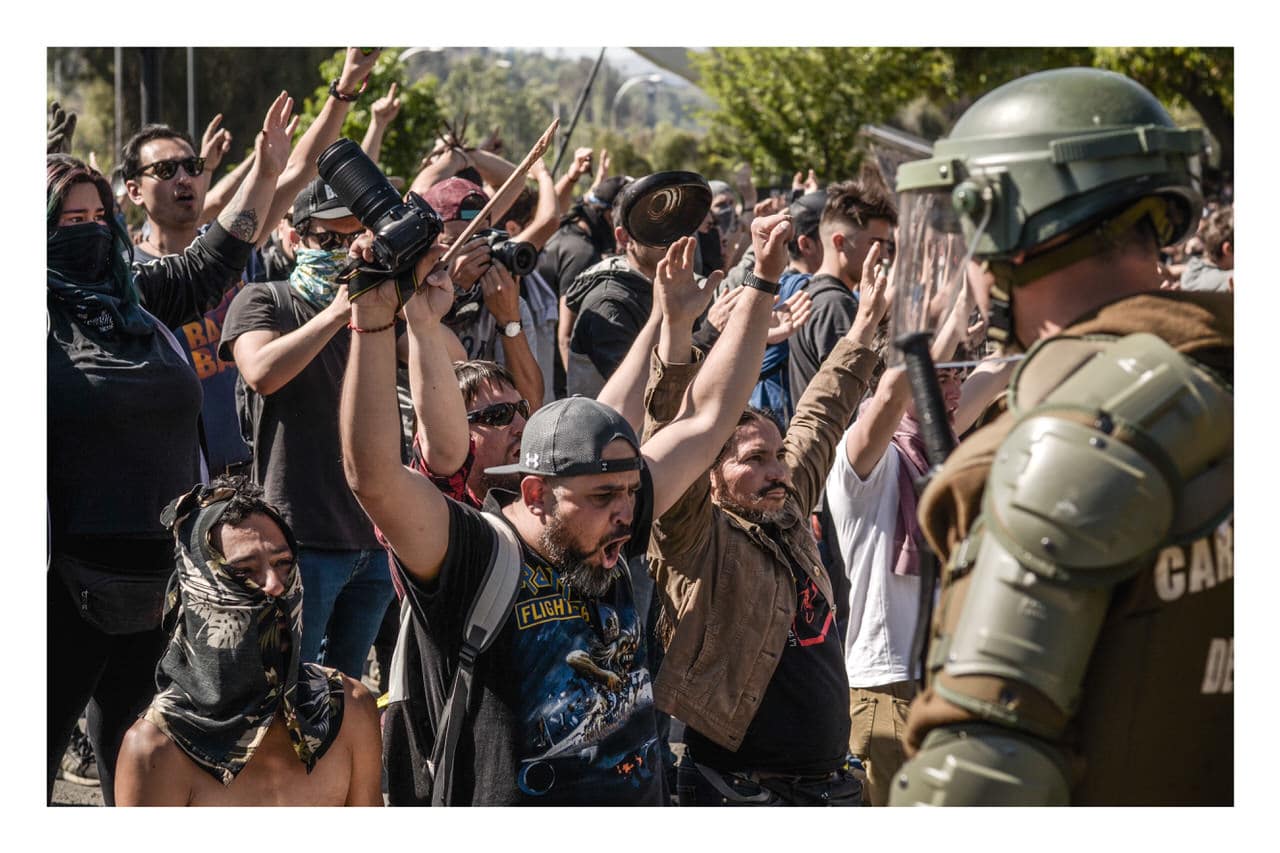
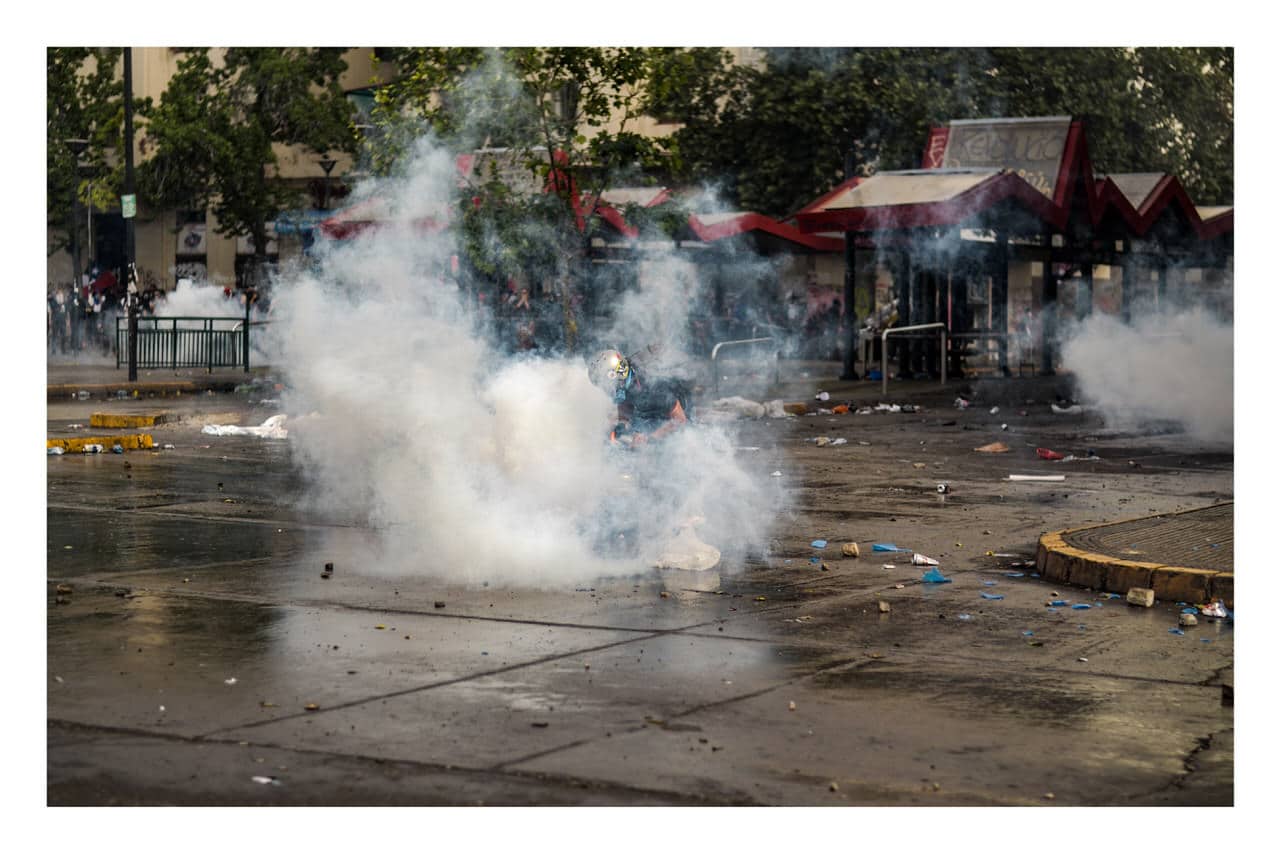
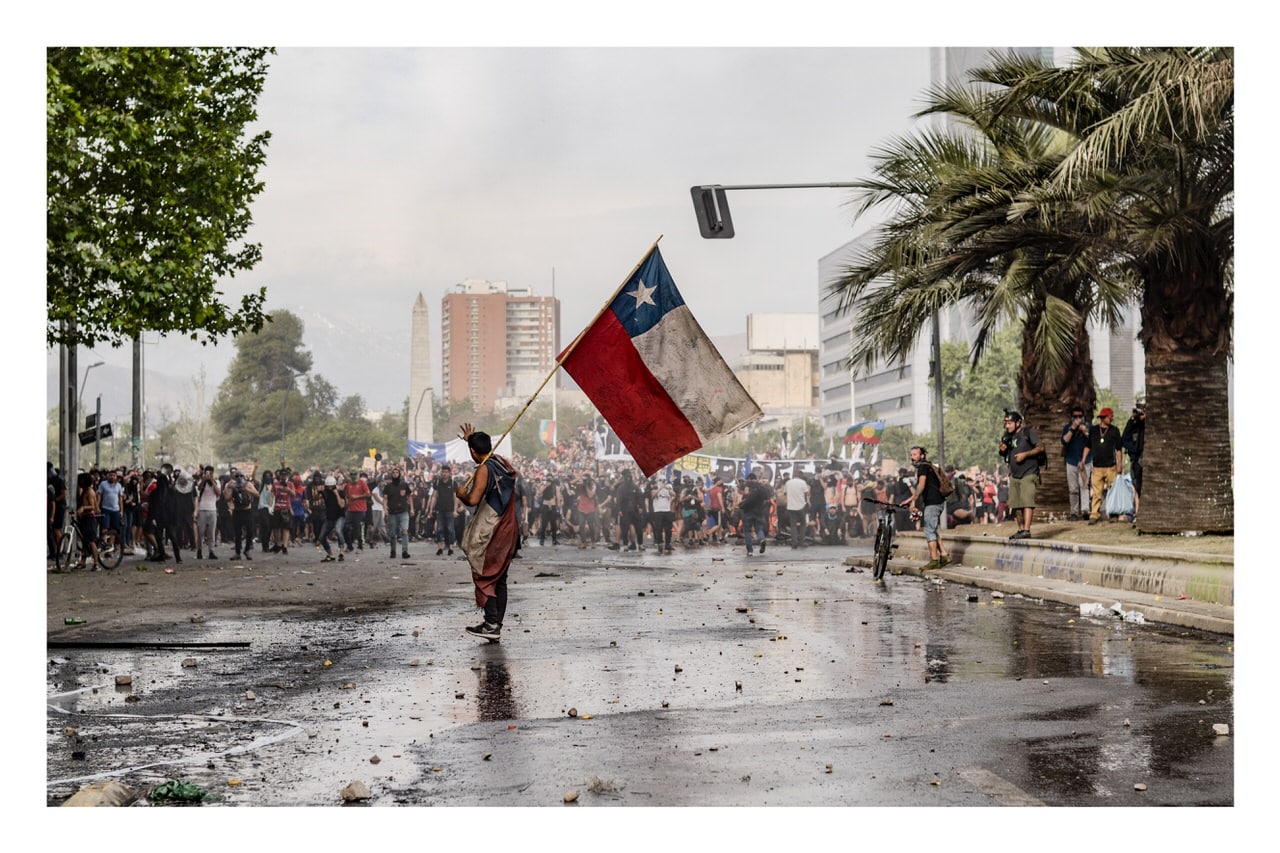
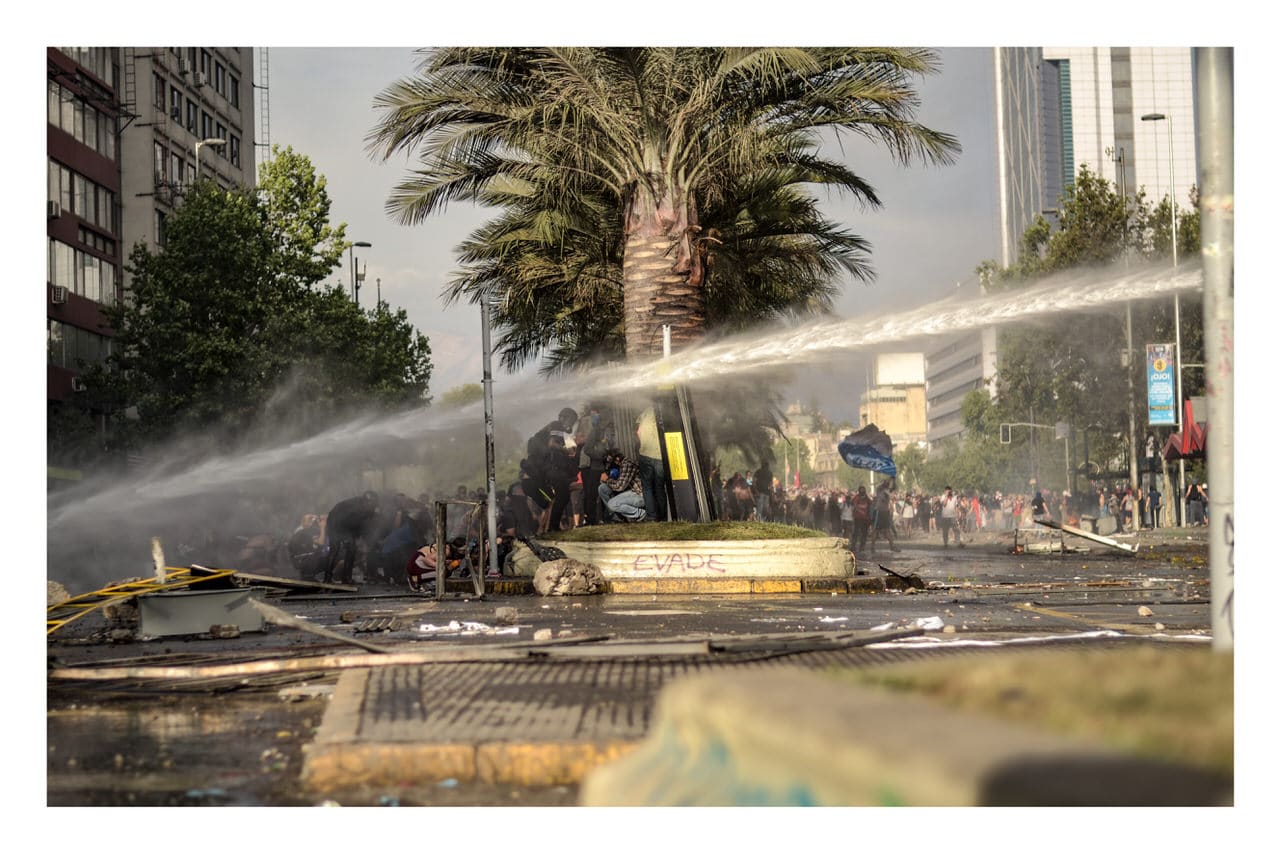
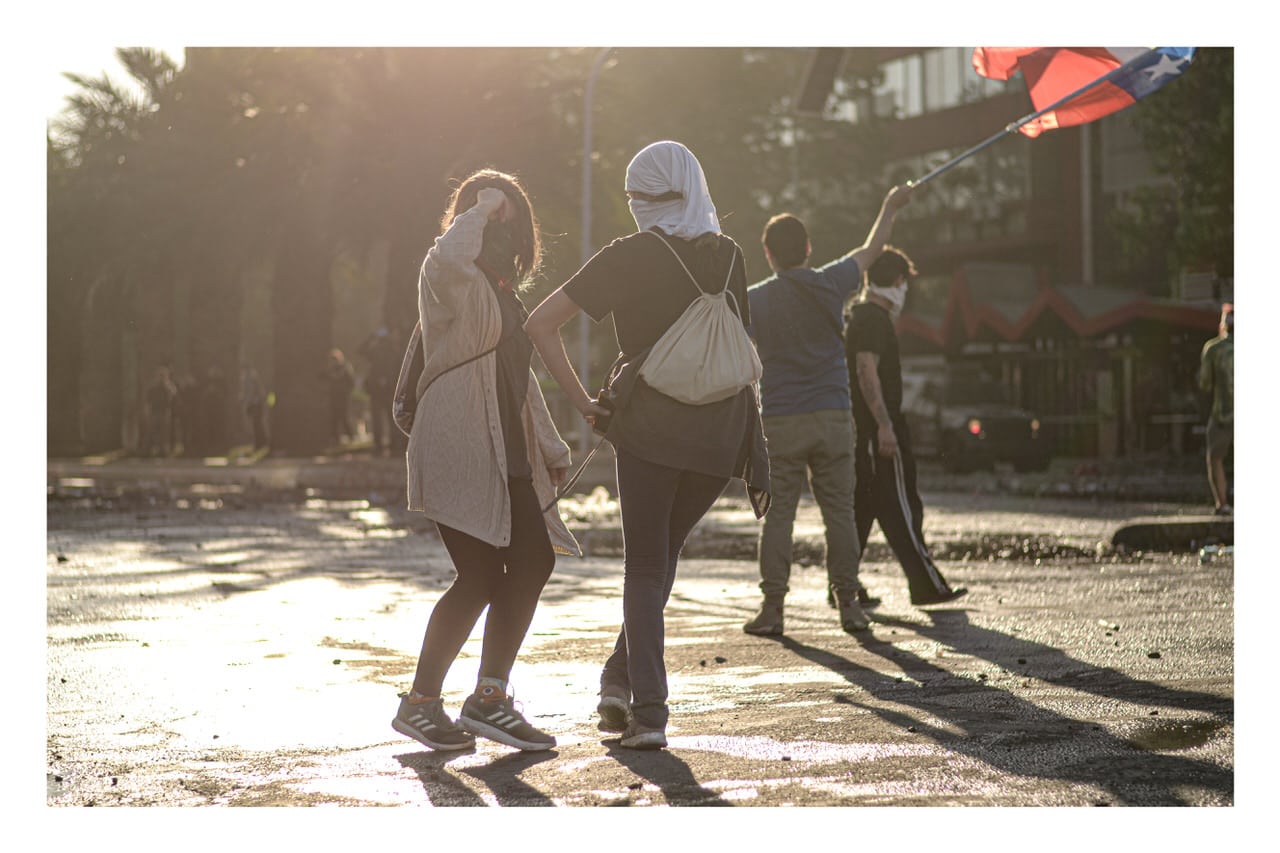
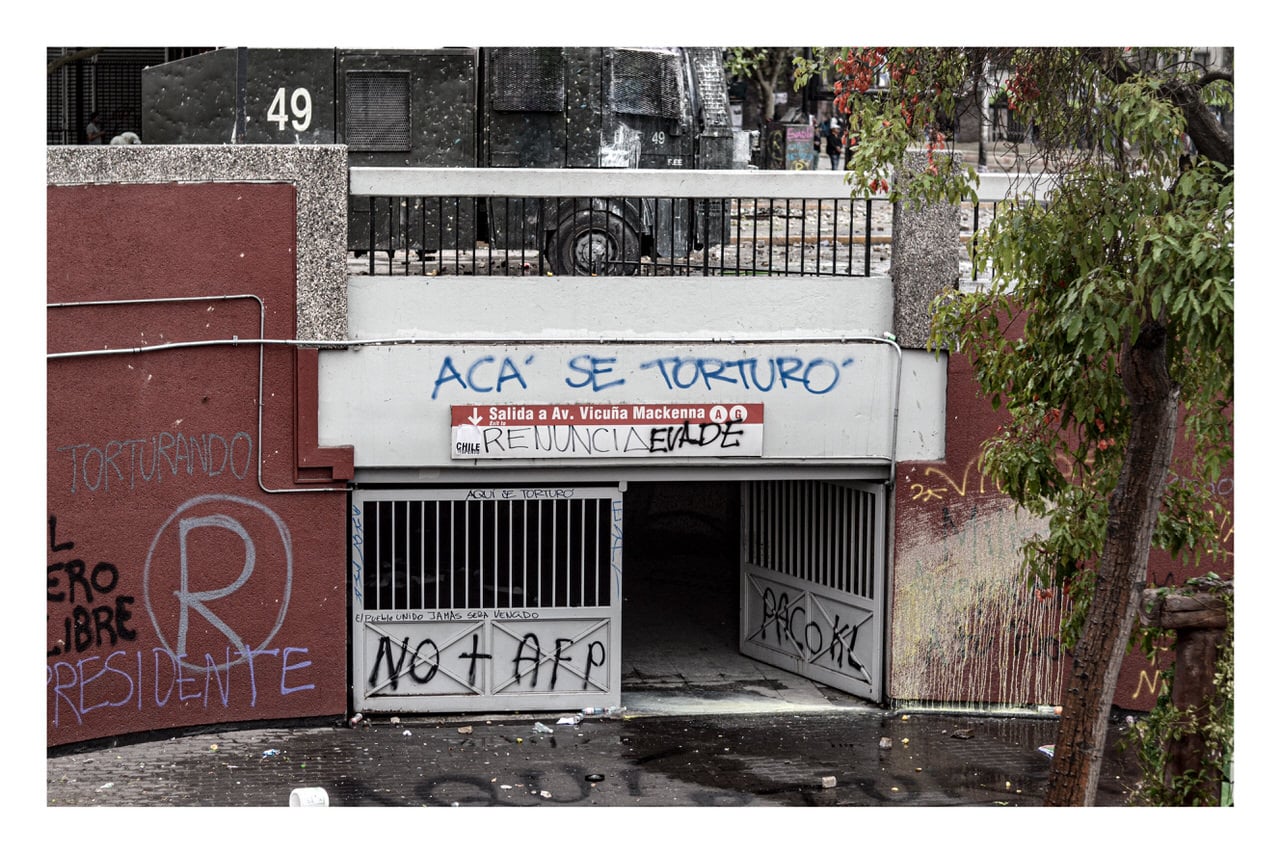
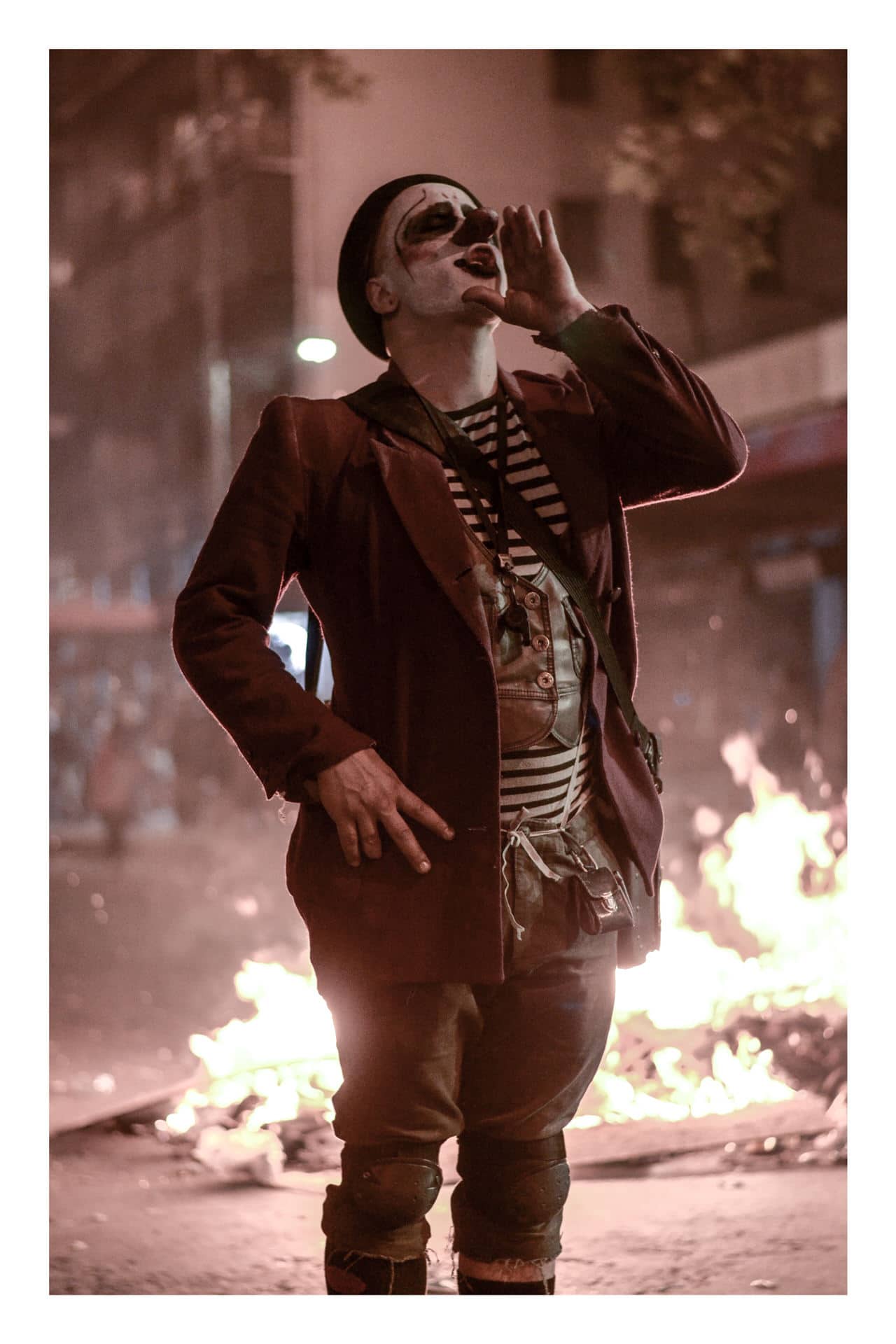
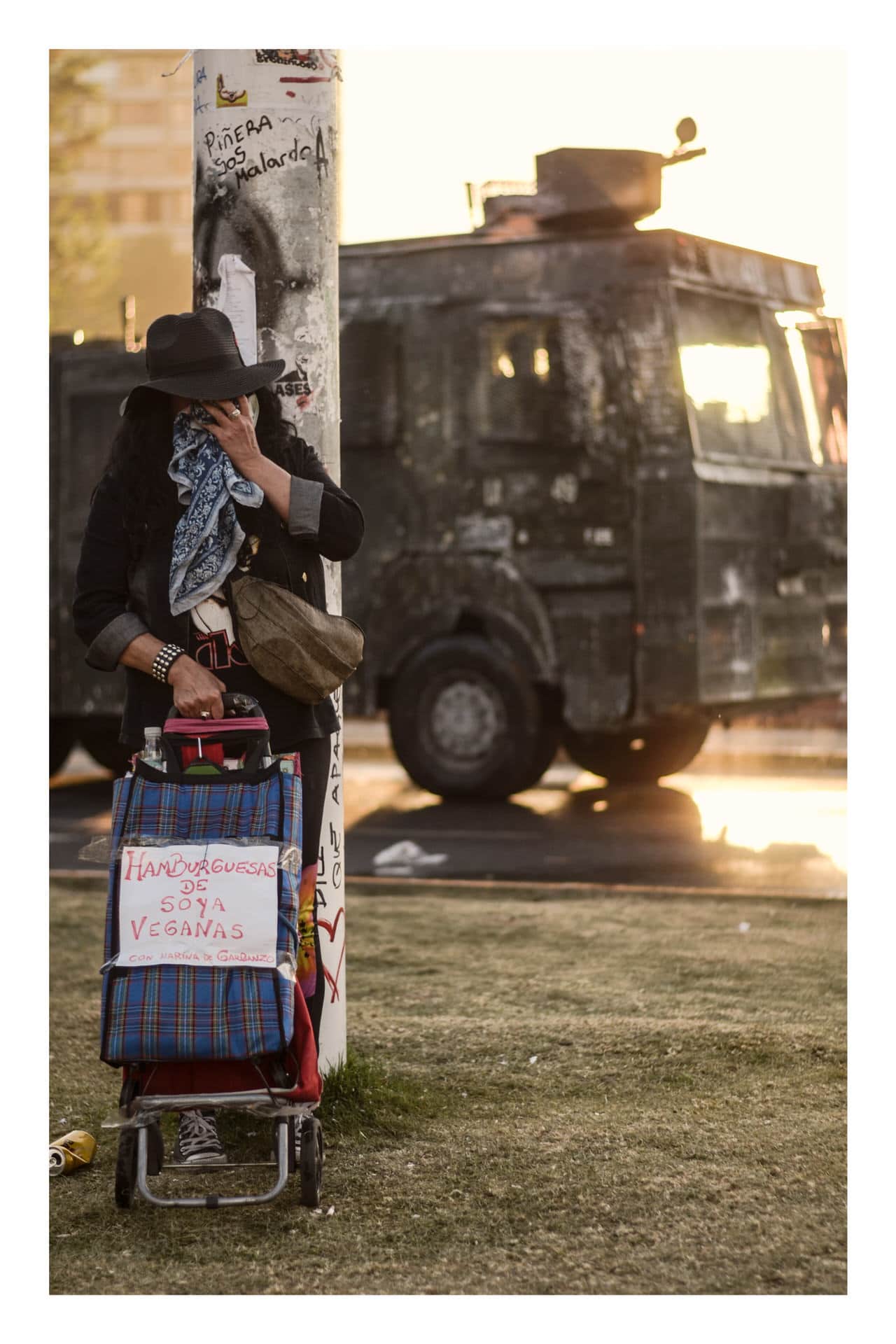
Nunca hay que dejar de luchar

Andrés Mellado Peralta

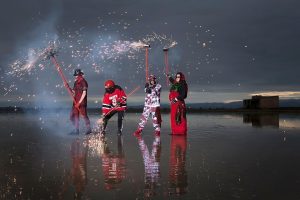
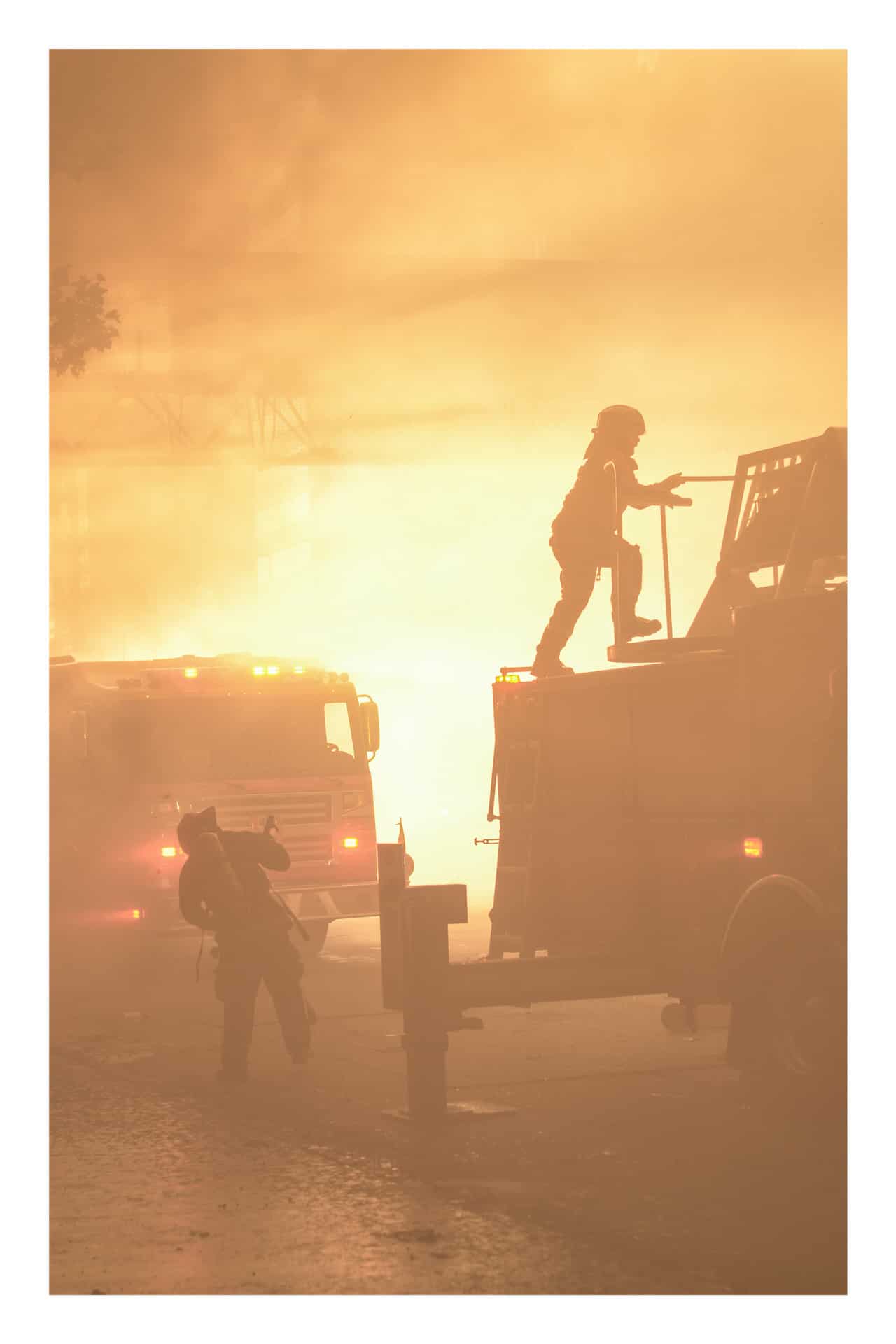
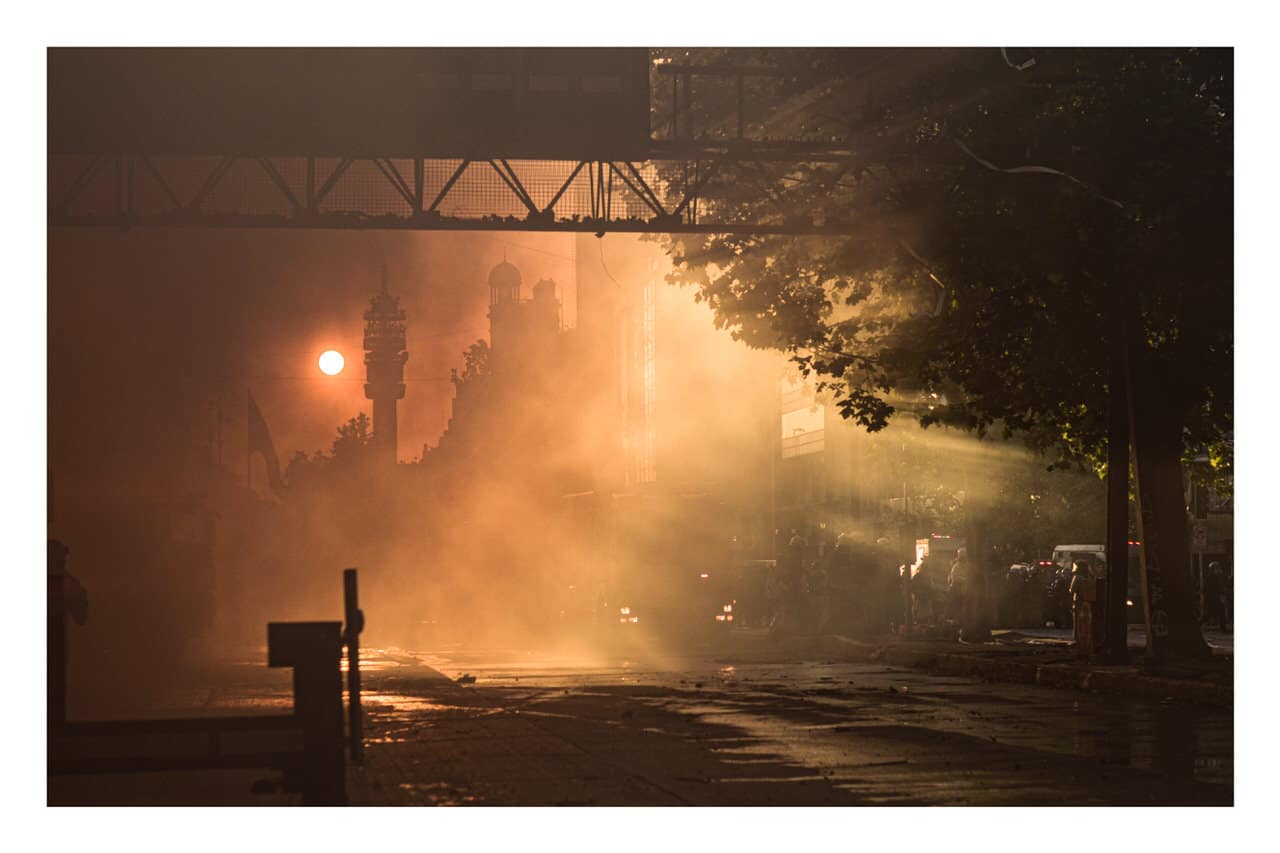
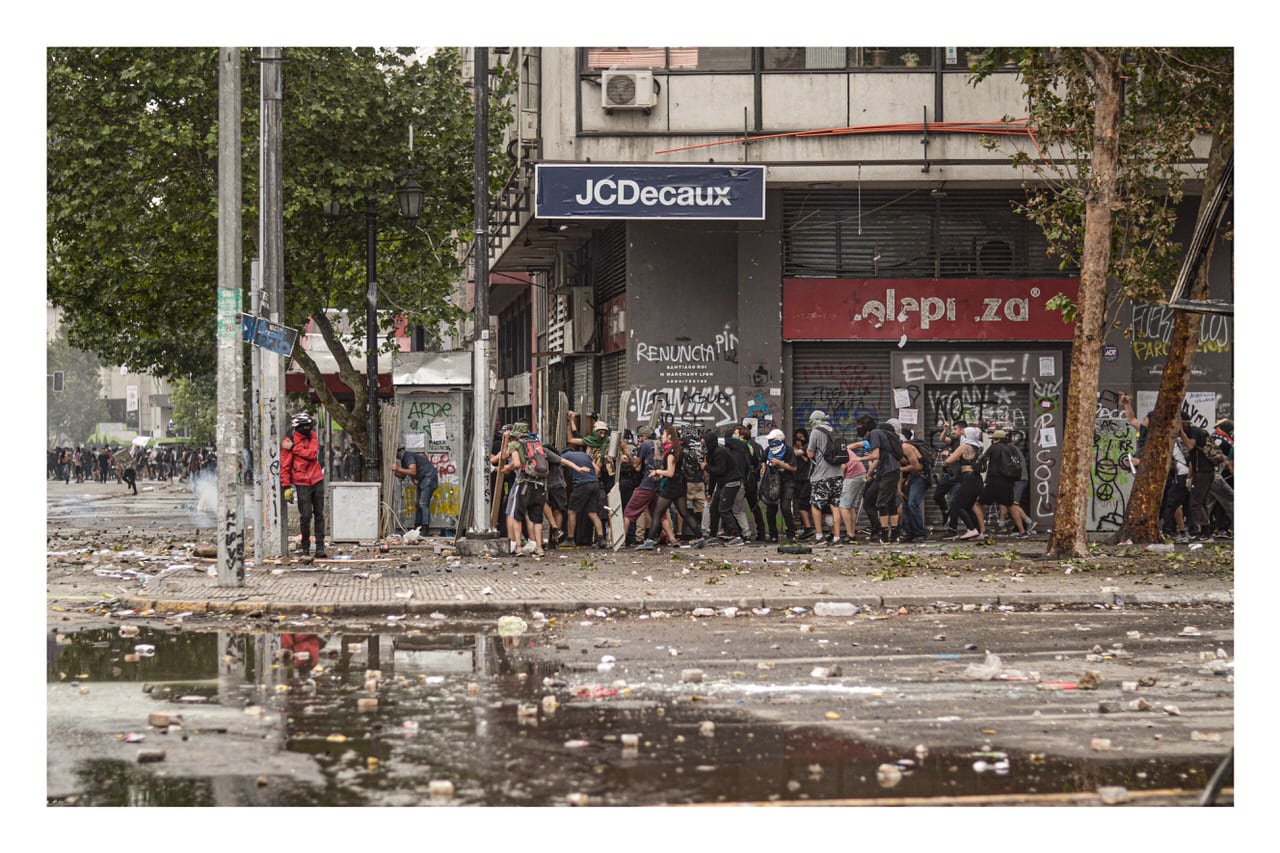
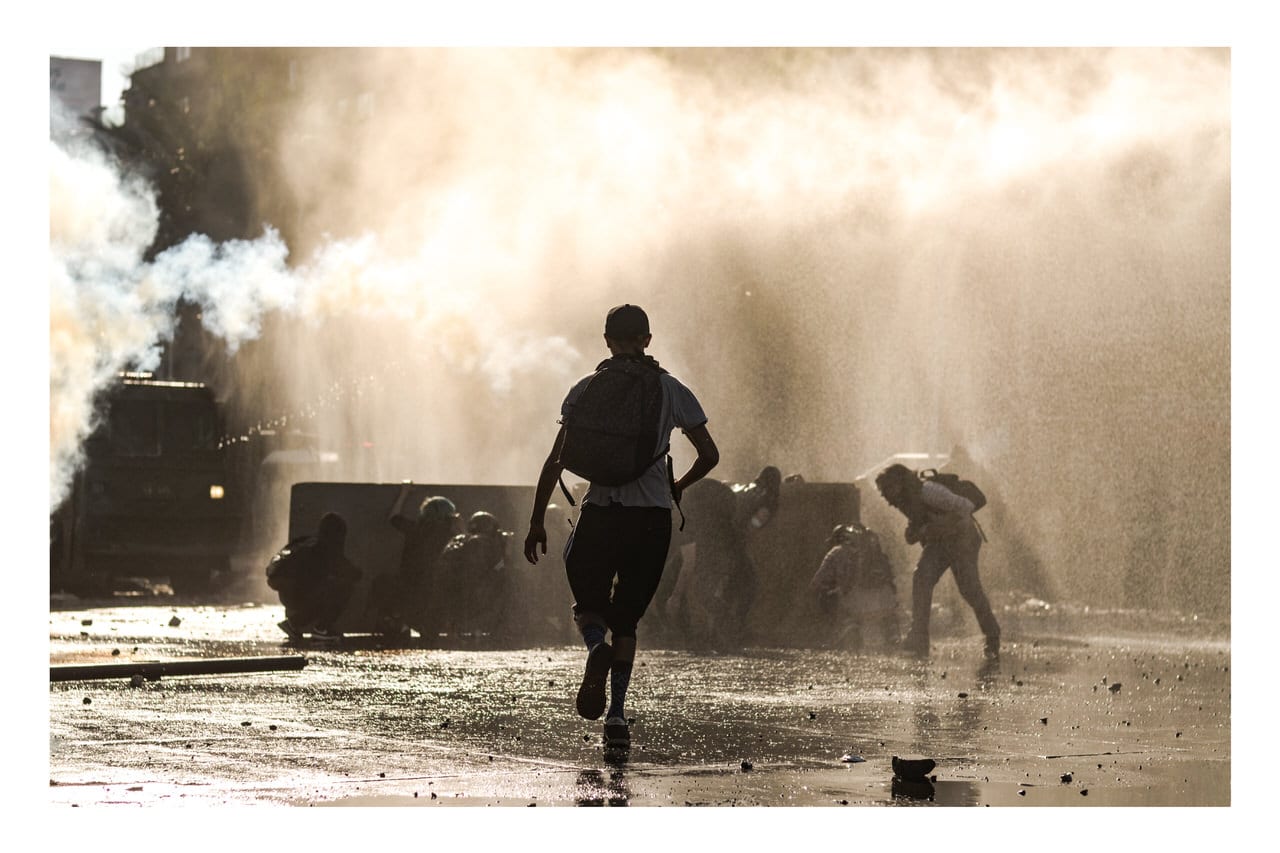
This work is a contribution to the prospect exercise of Chile’s memory. State violence and the response of an unarmed or equipped with makeshift artillery people, was the space where I found an important rhetoric to record and resignify. Photography then became the trench from which I chose to denounce and combat. This documentary is a record of the memory of a government that declared war and acted accordingly. Of a silent people who woke up and continue in the fight today.

Graphic designer, documentarian, and design professor. Born in 1989, Santiago de Chile.

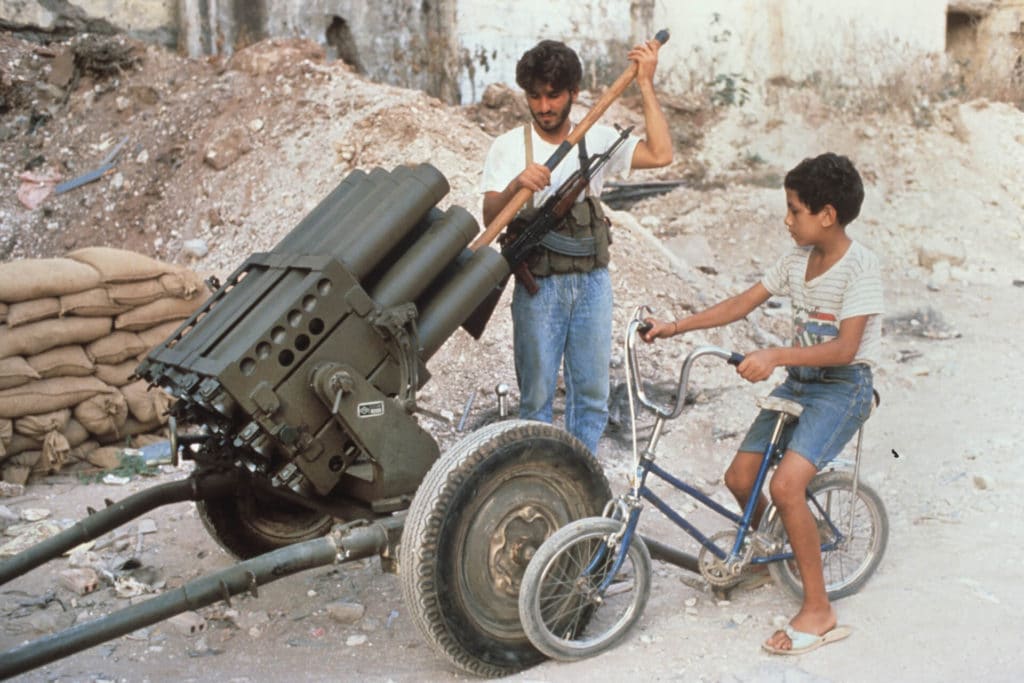
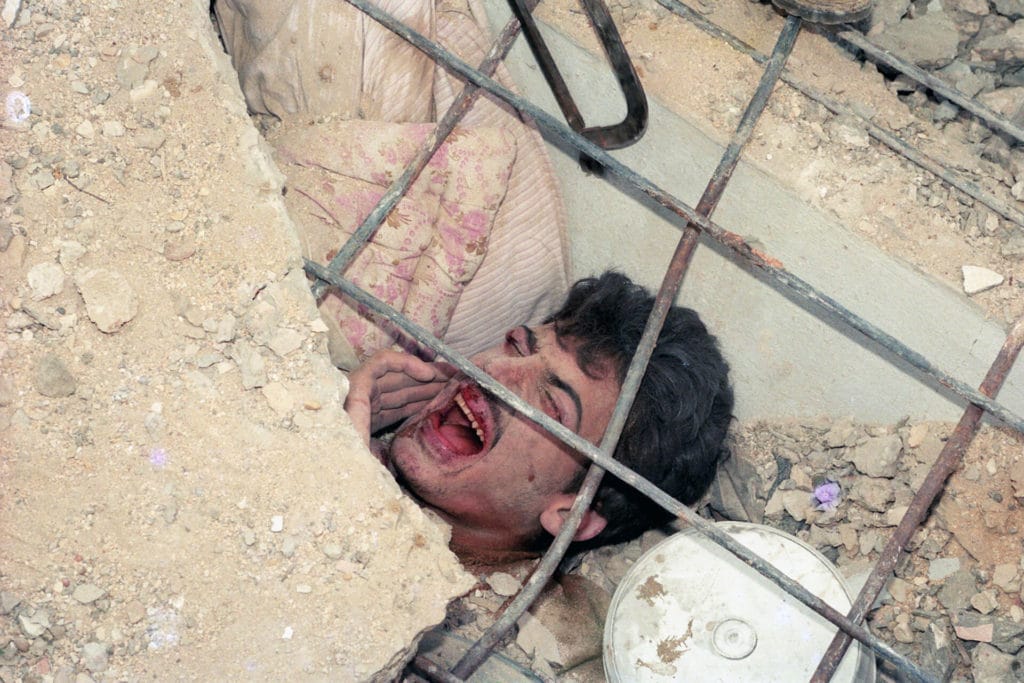
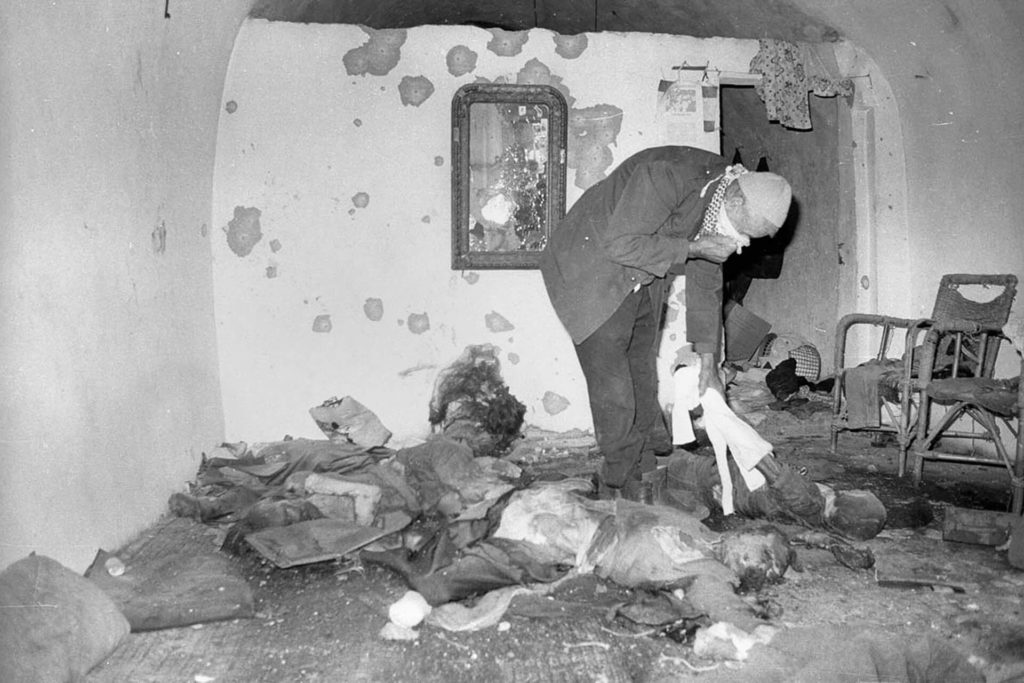
Ramzi Haidar

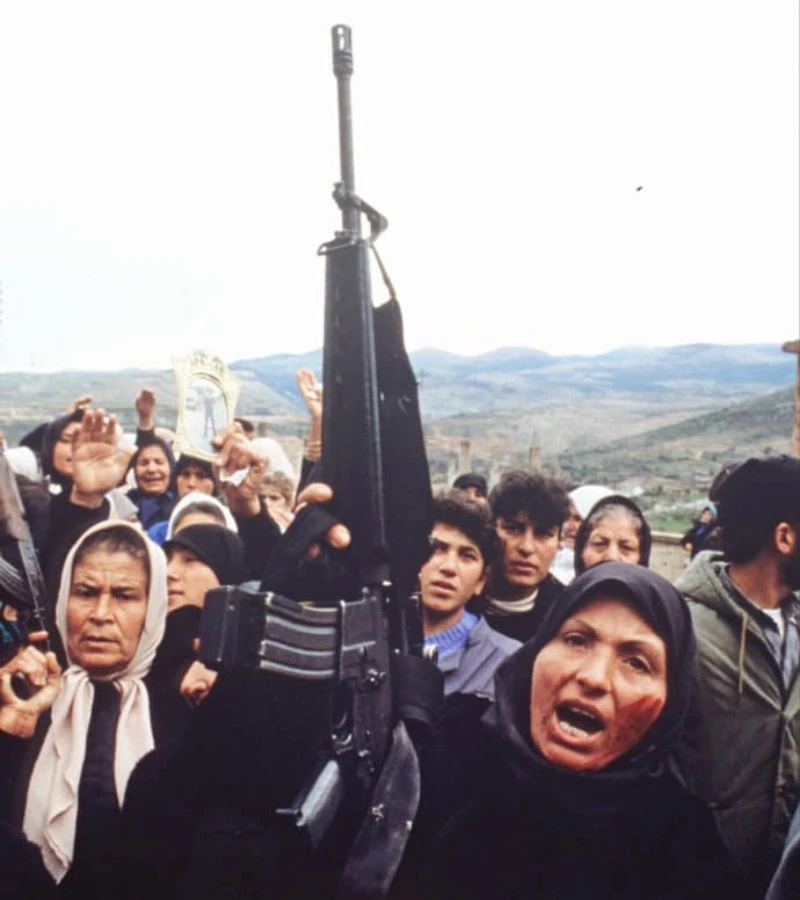
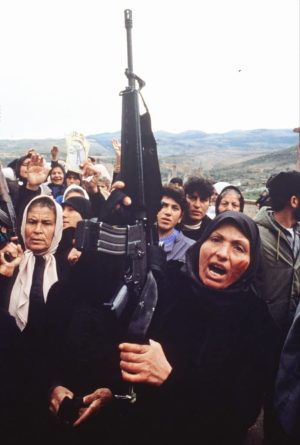
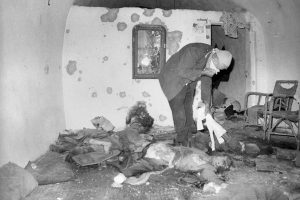
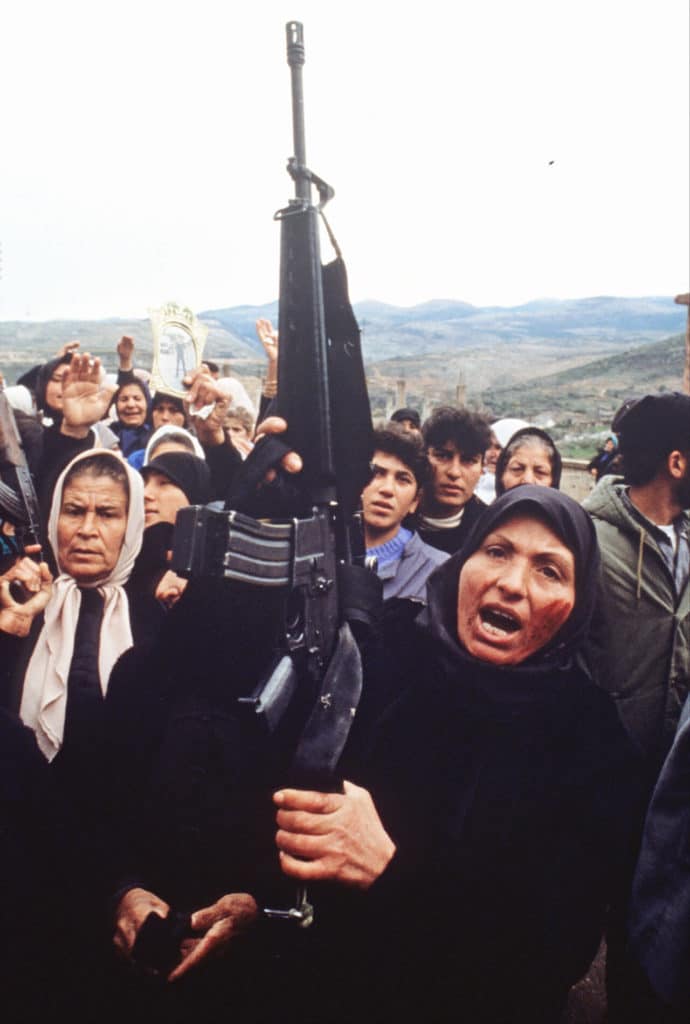
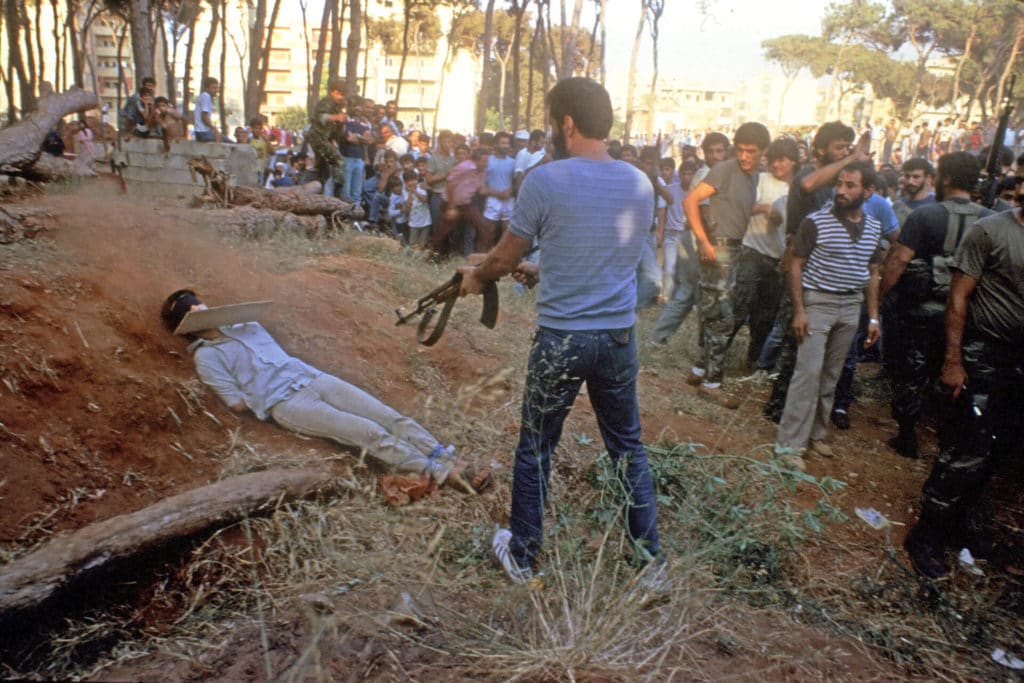
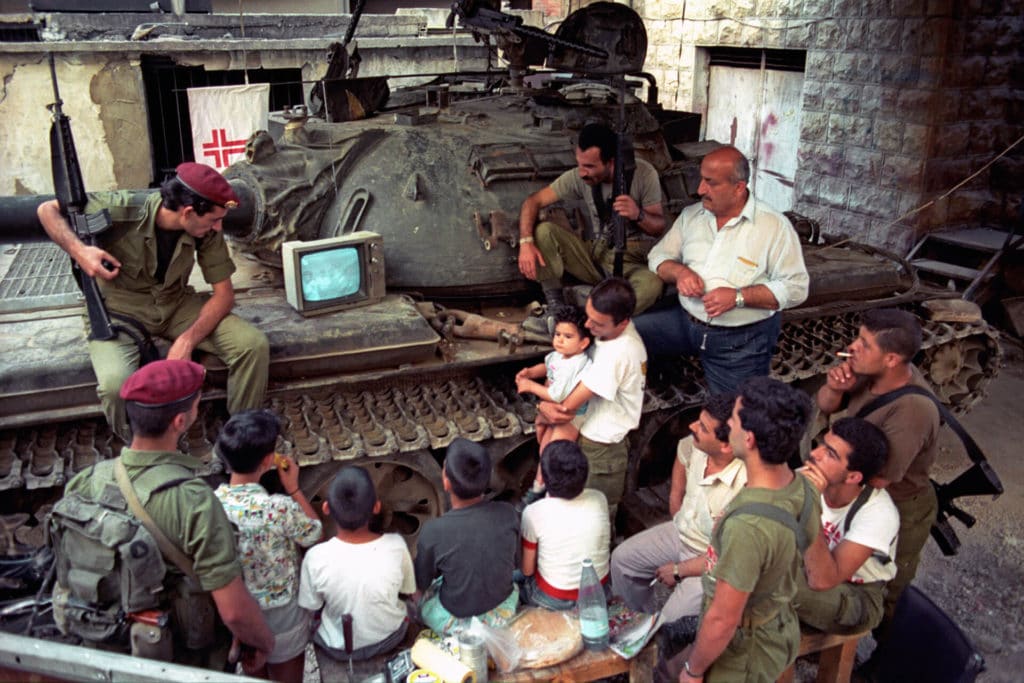
Civil War

Ramzi Haidar

Wars are surely one of the worst scourges that have accompanied humanity since forever. In addition to the deaths and destruction they generate, they often have much more lasting consequences, such as poverty, hunger, and disease; and later a scar that lasts for several generations.
The Middle East has been, due to its strategic importance, the scene of very bloody wars between territories or due to the intervention of great powers in order to safeguard world peace. Therefore, it has become one of the most unstable regions on the planet.

Some testimonies, like the author’s, have experienced it firsthand and have shown us one of the worst sides of humanity.

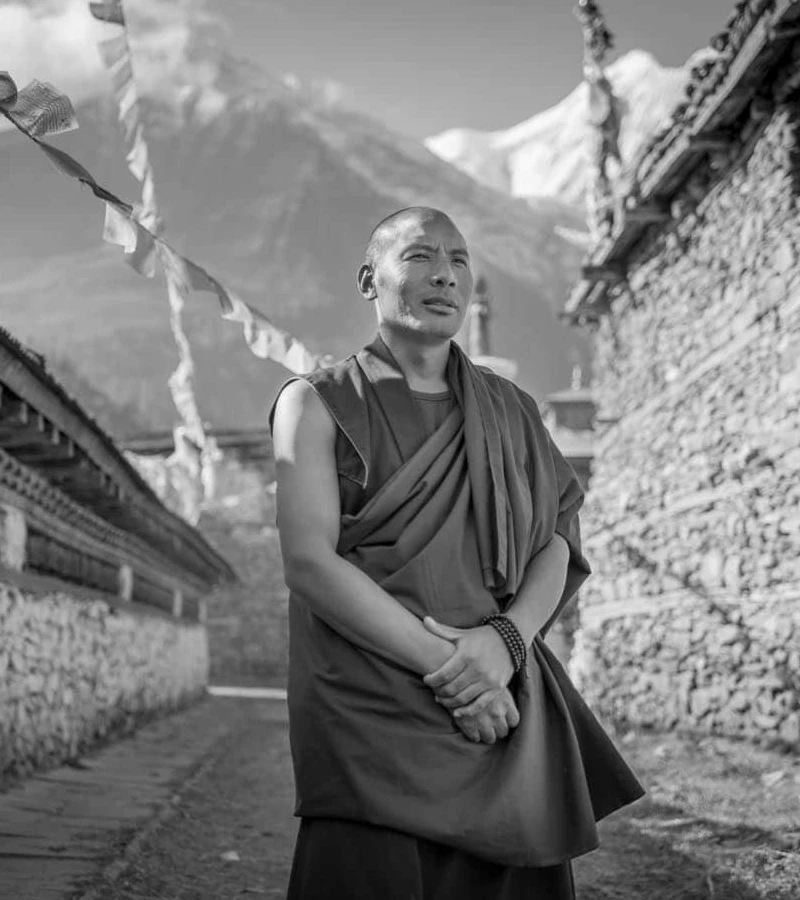
Jorge Delgado-Ureña y Christelle Enquist

El reencuentro de las almas

Jorge Delgado-Ureña y Christelle Enquist

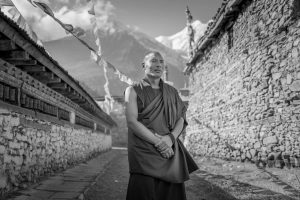
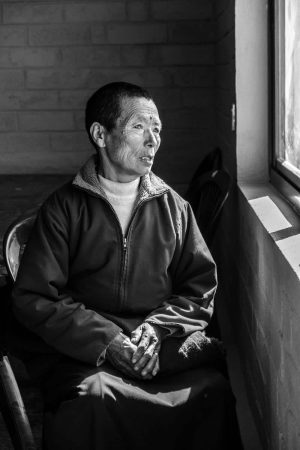
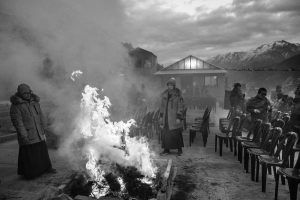
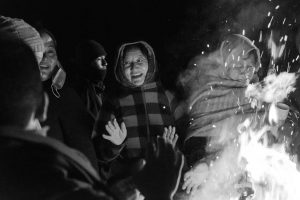
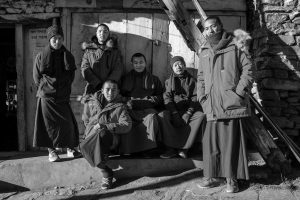
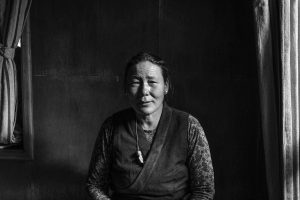
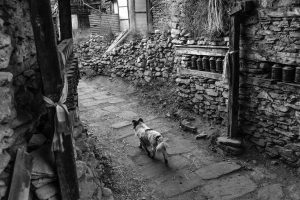
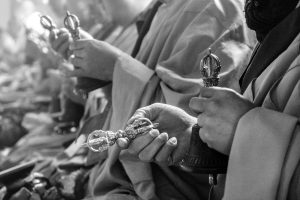
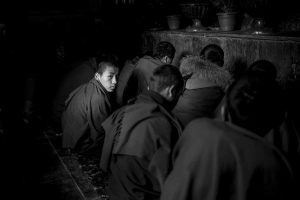
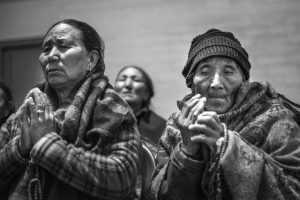
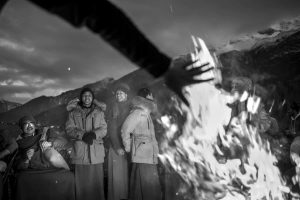
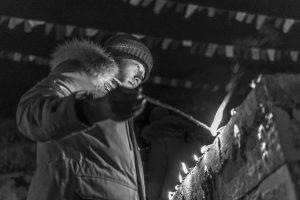
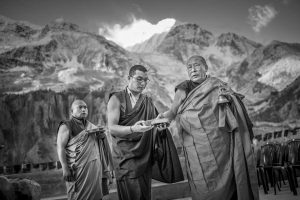
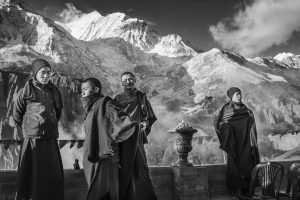
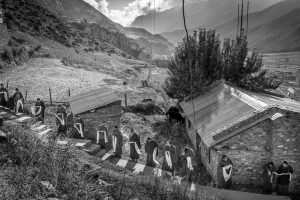
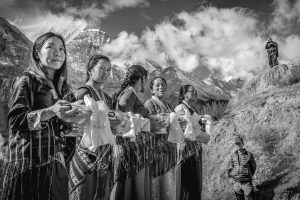
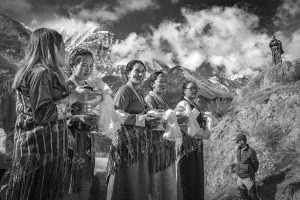
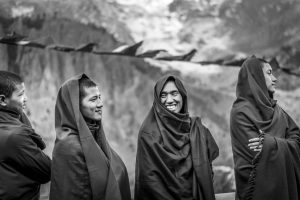
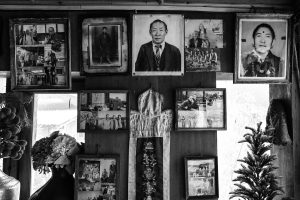
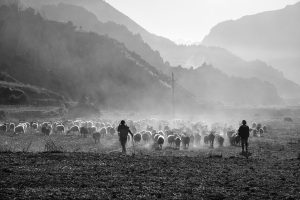
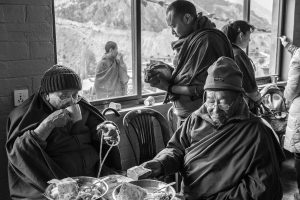
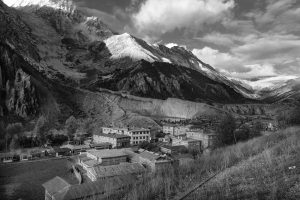
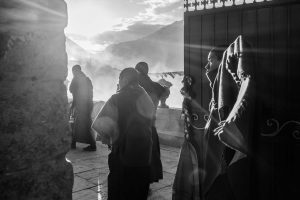
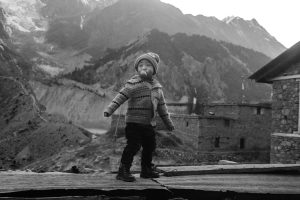
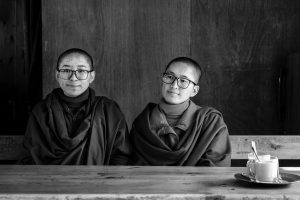
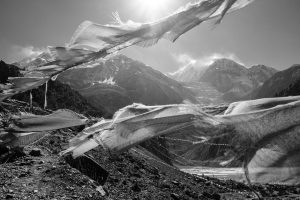
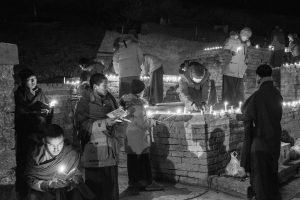
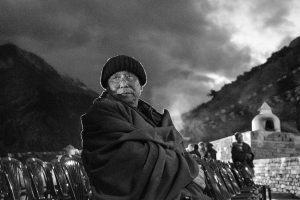
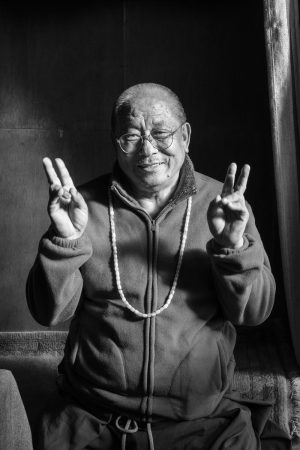
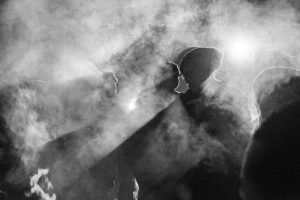
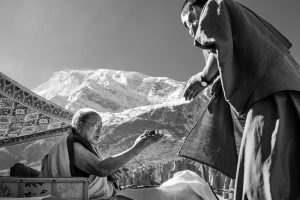
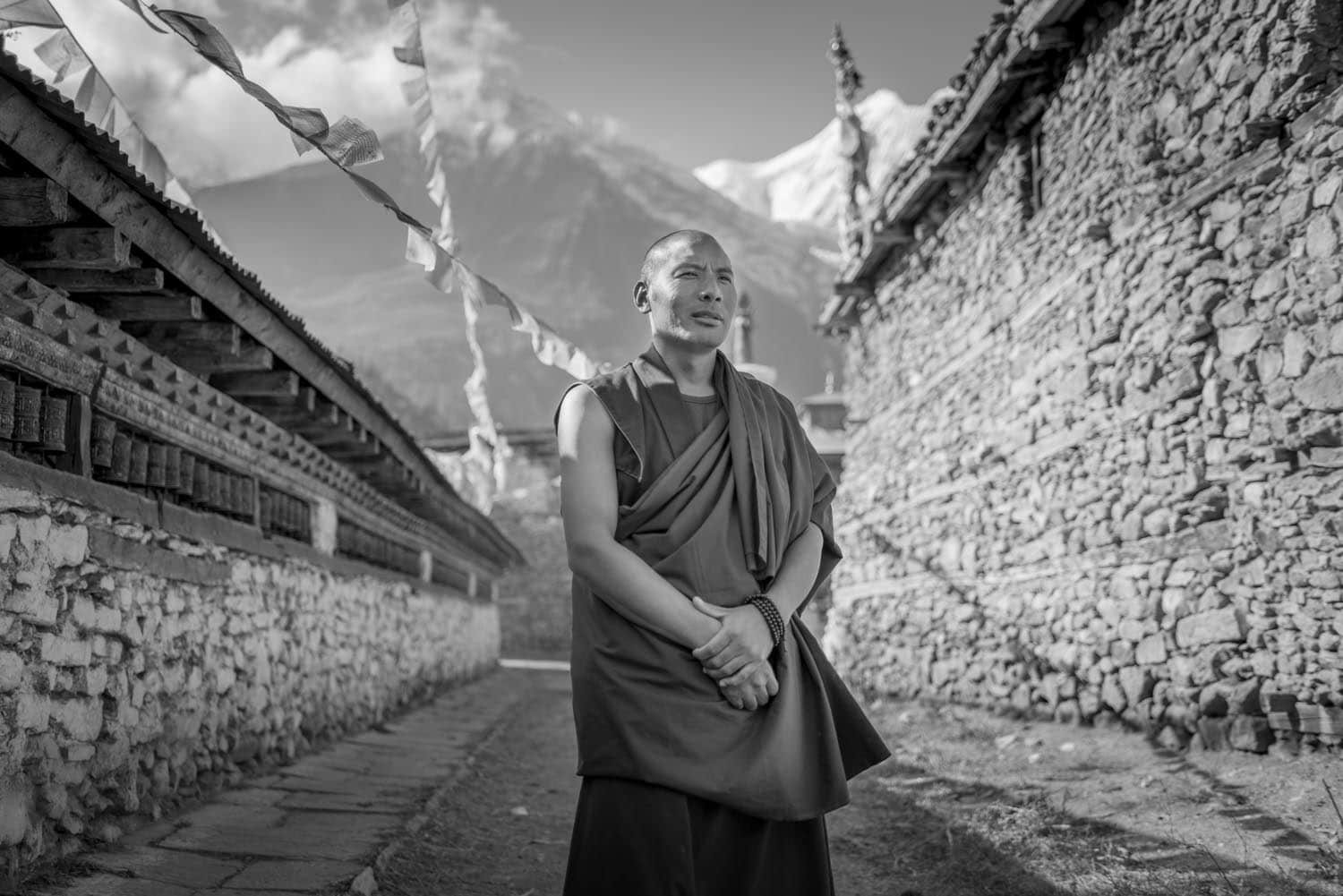
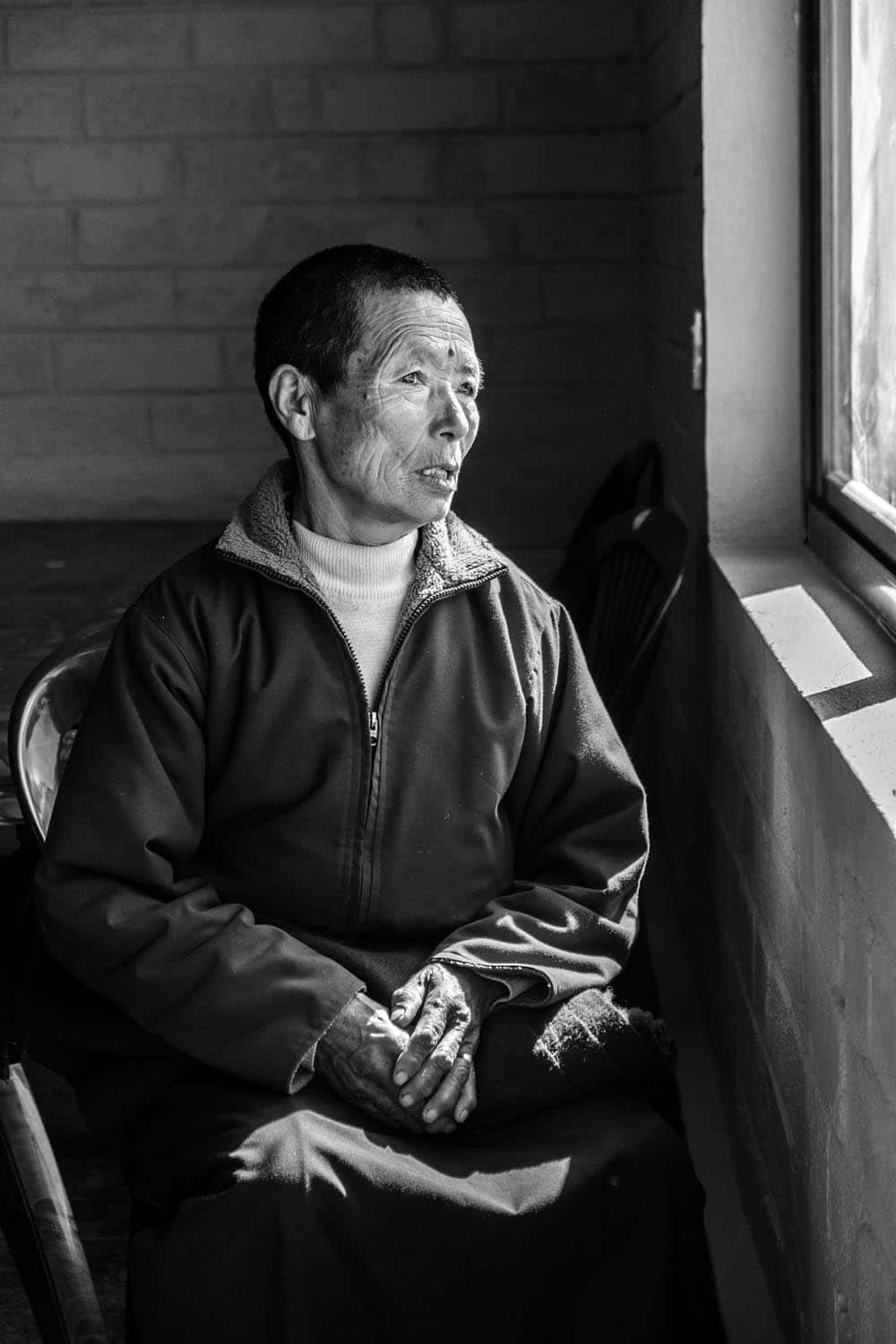
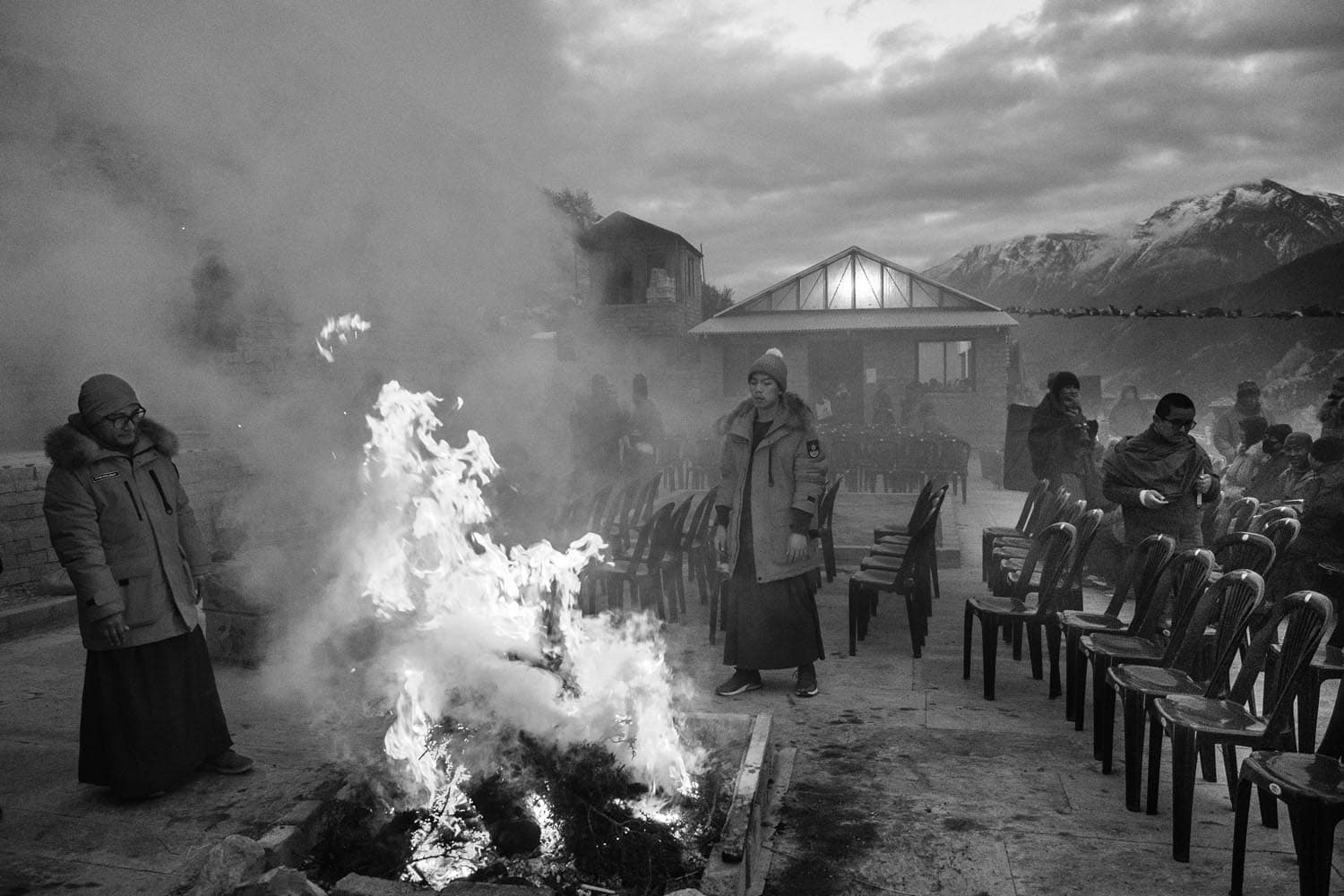
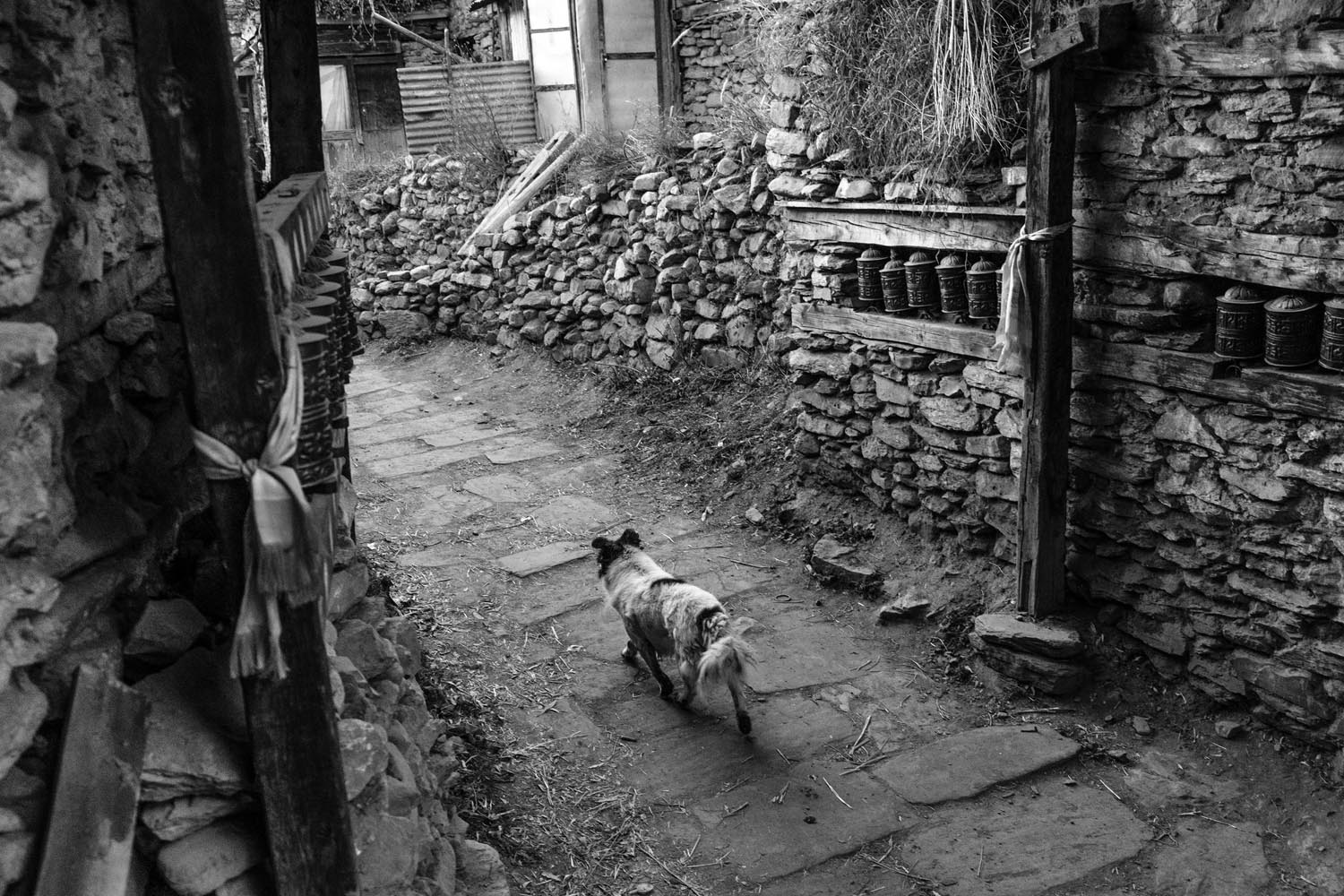
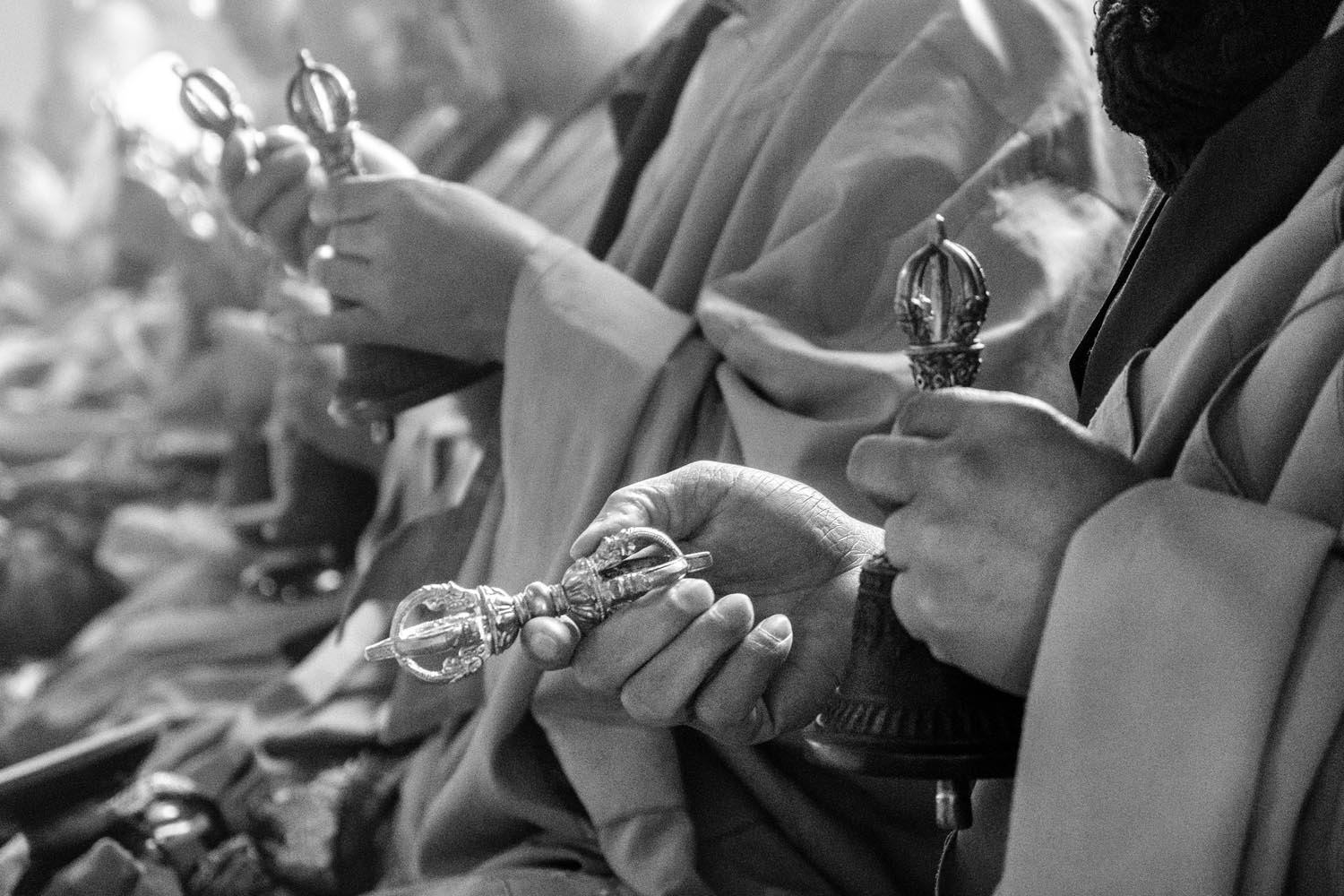
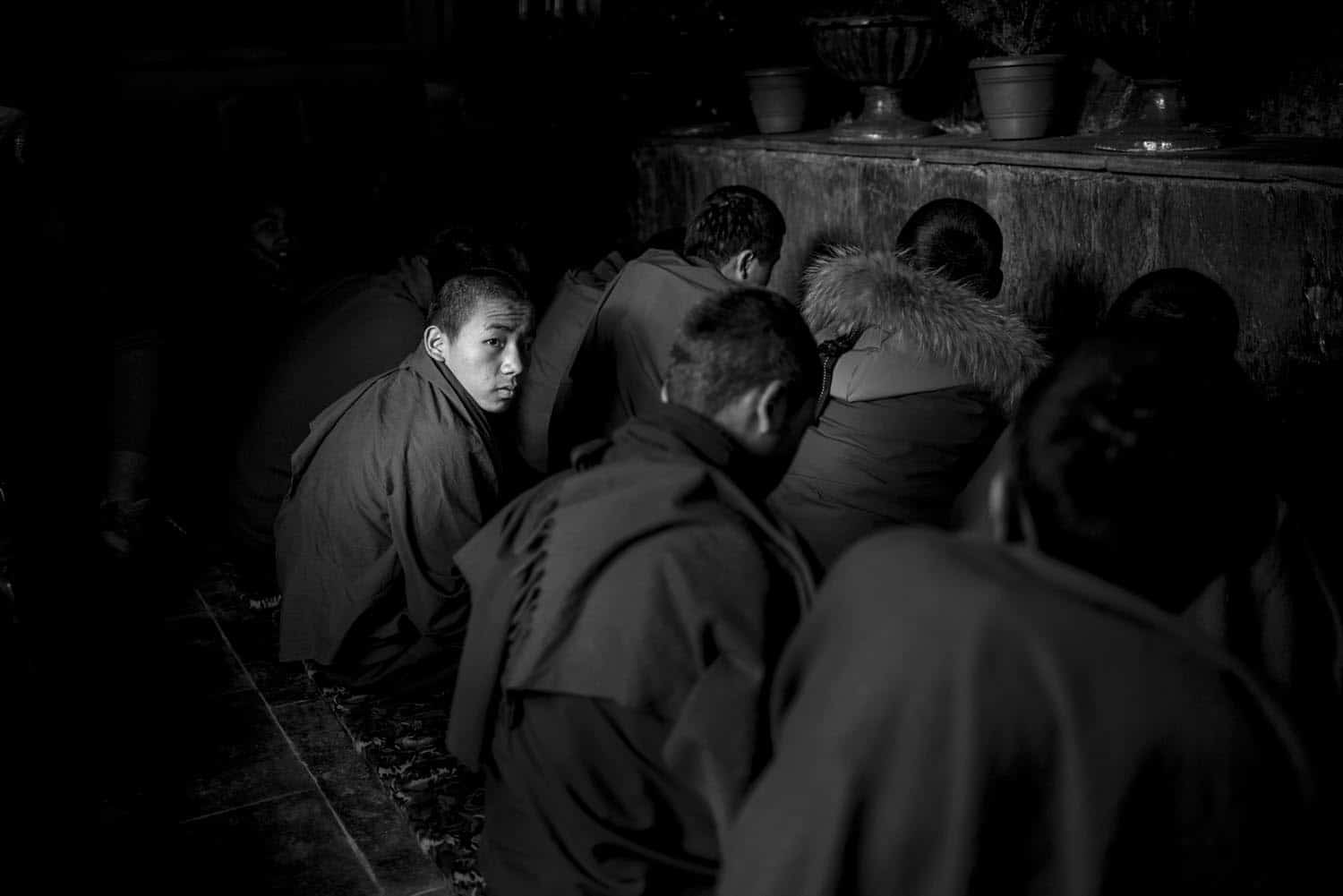
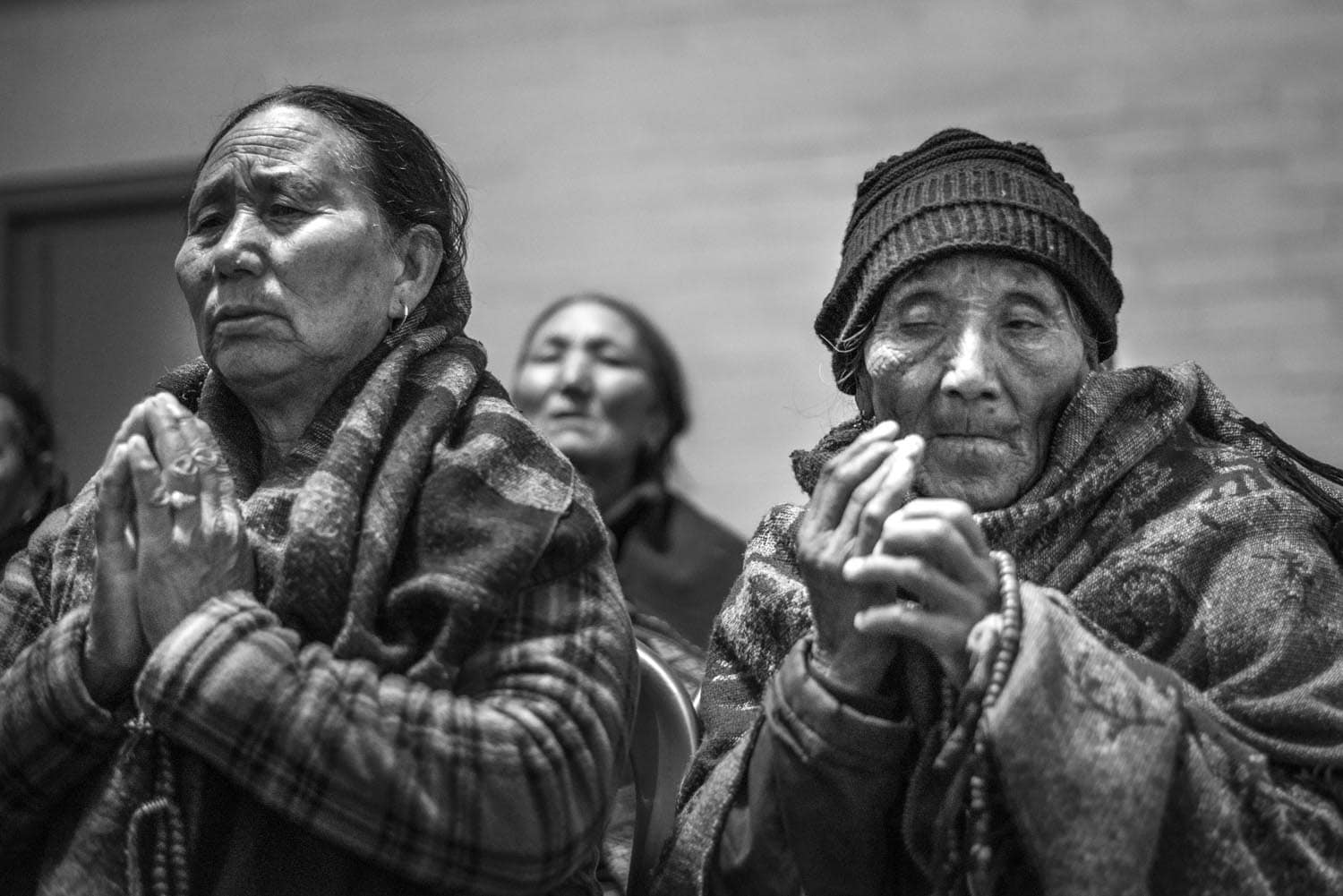
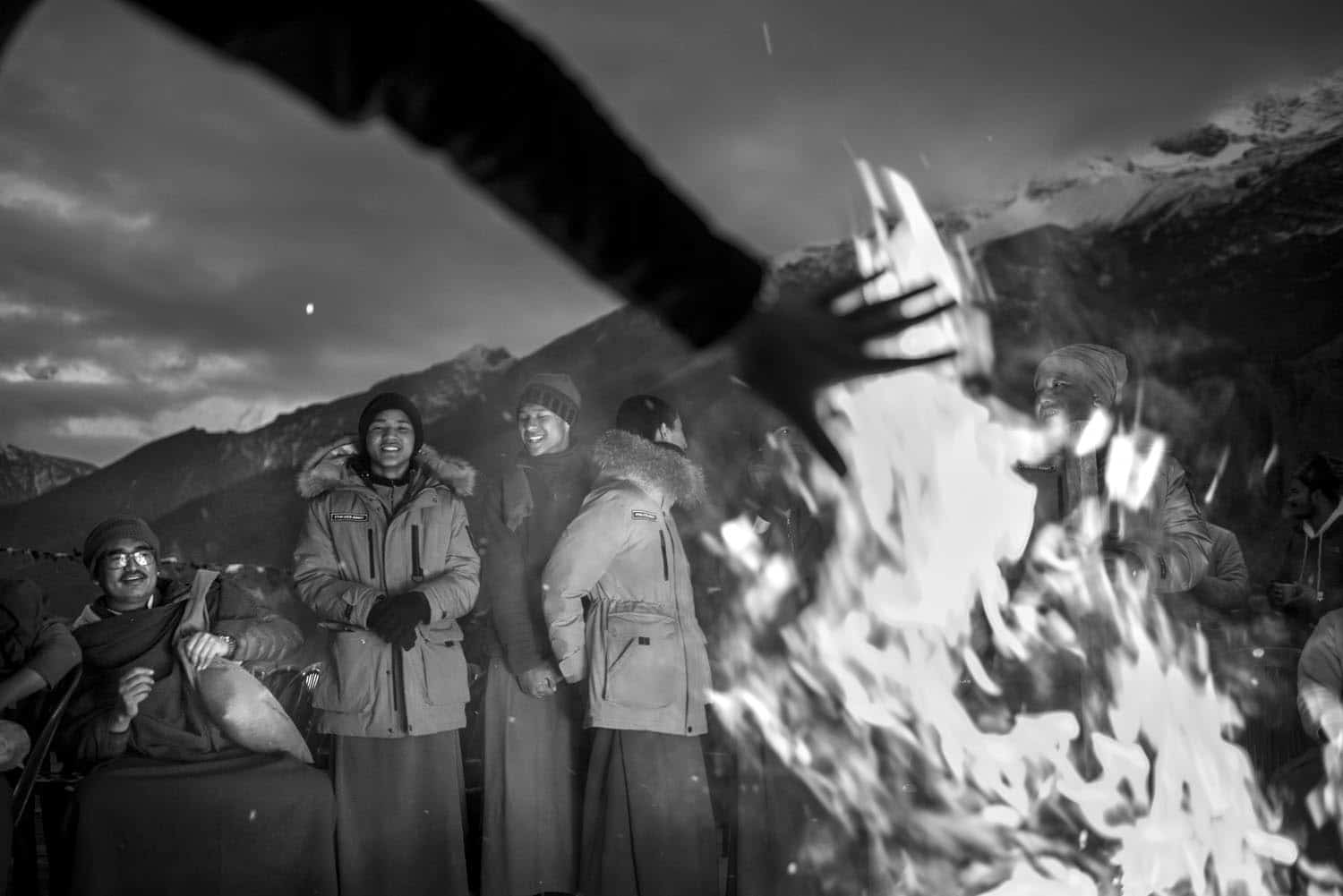
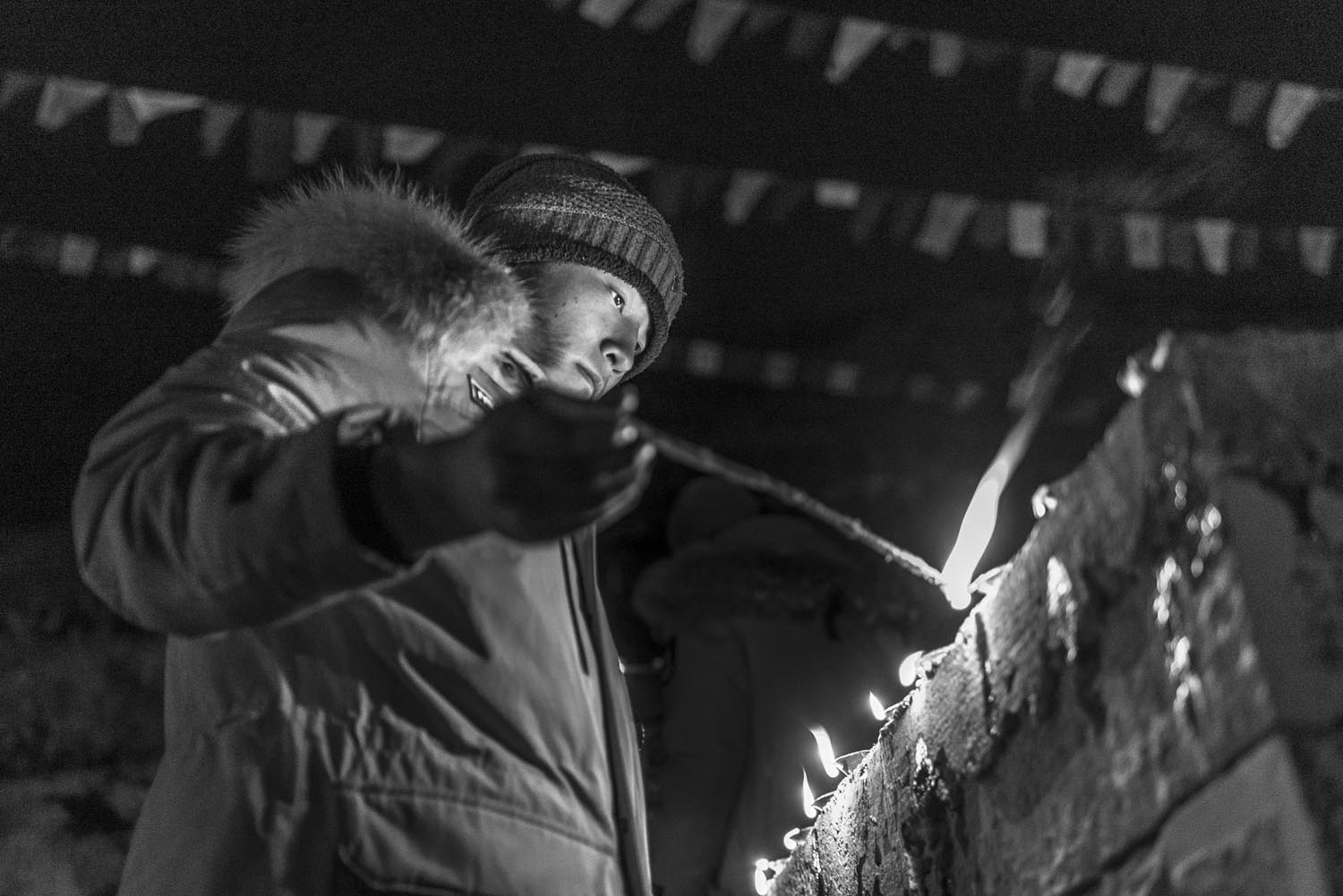
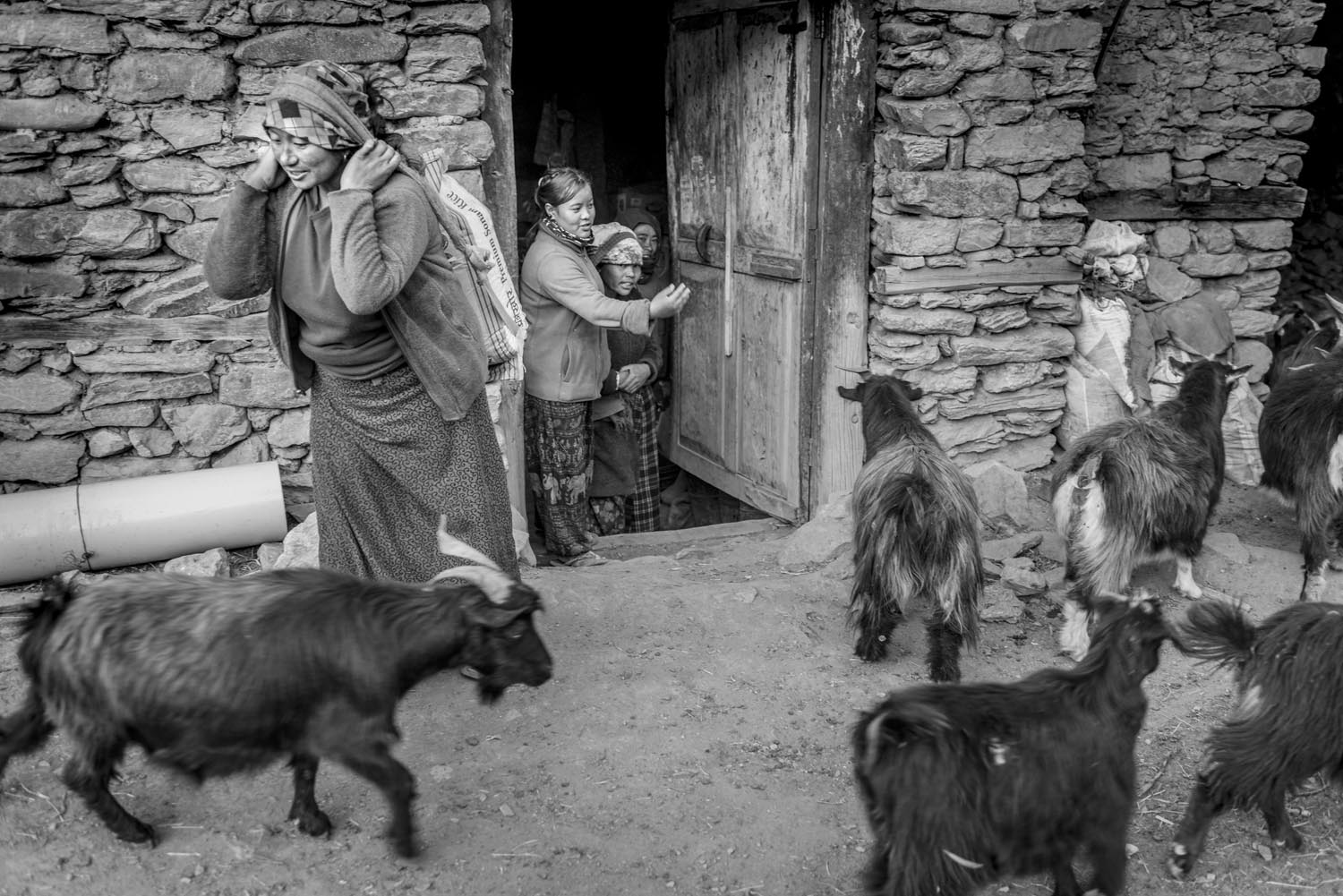
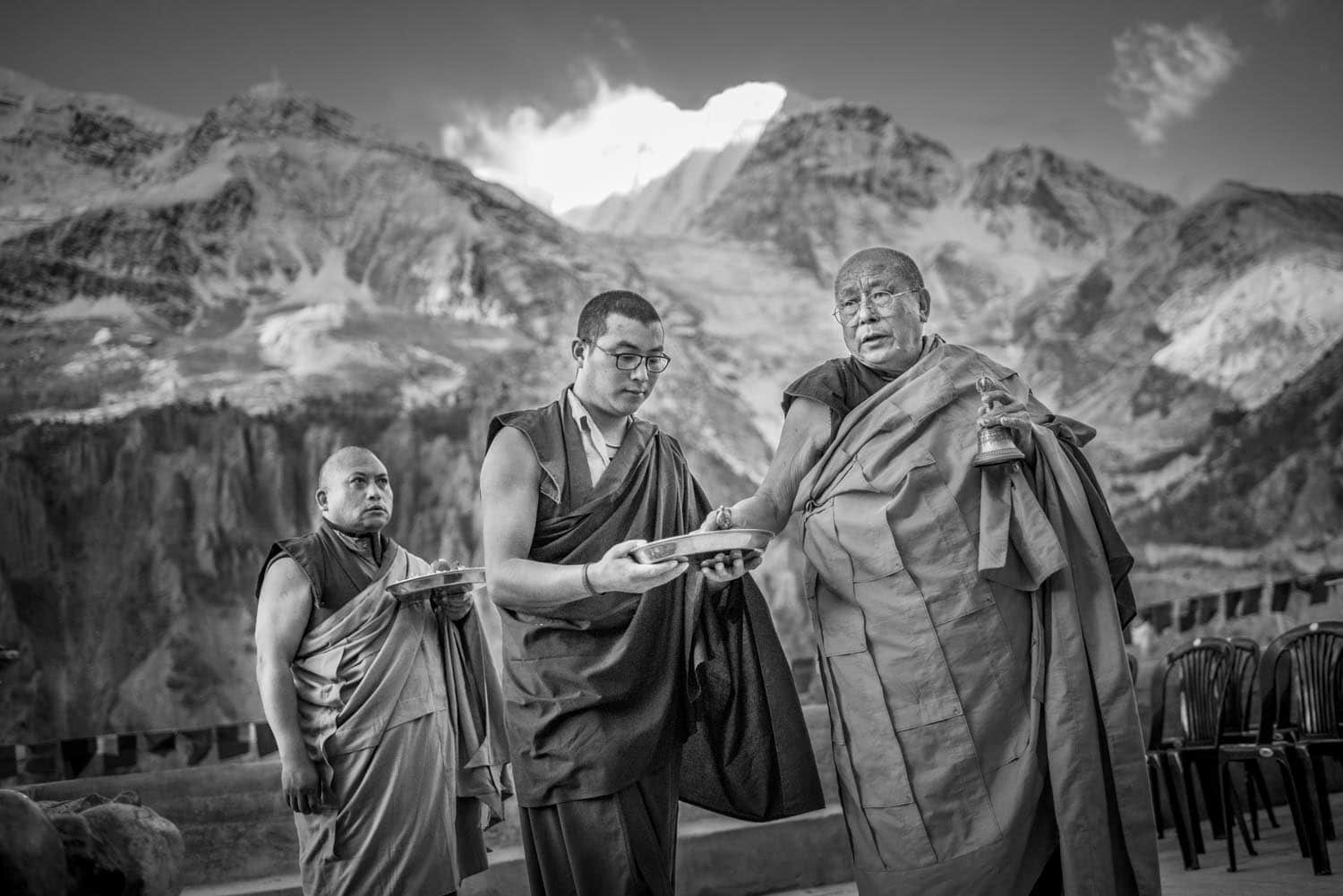
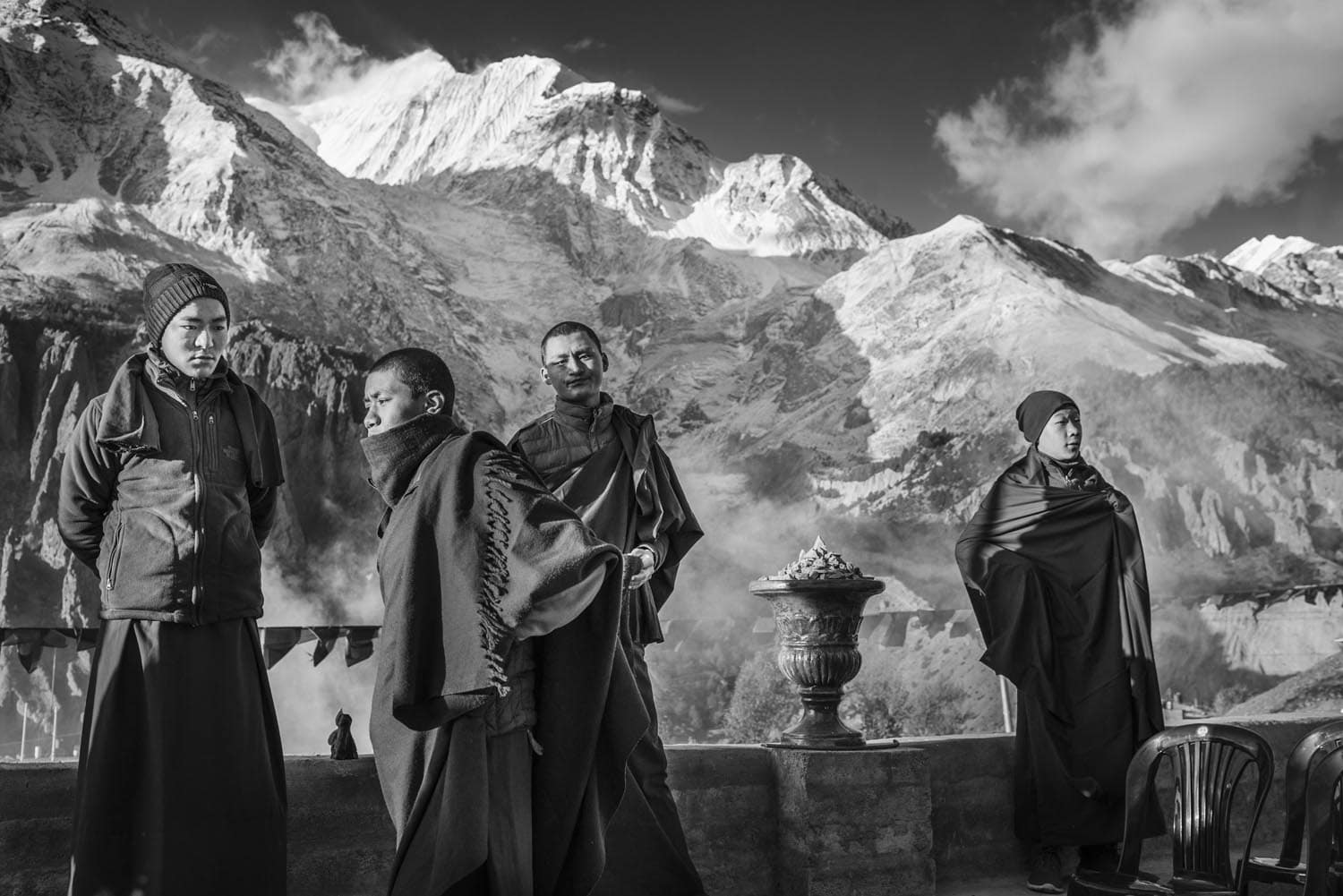
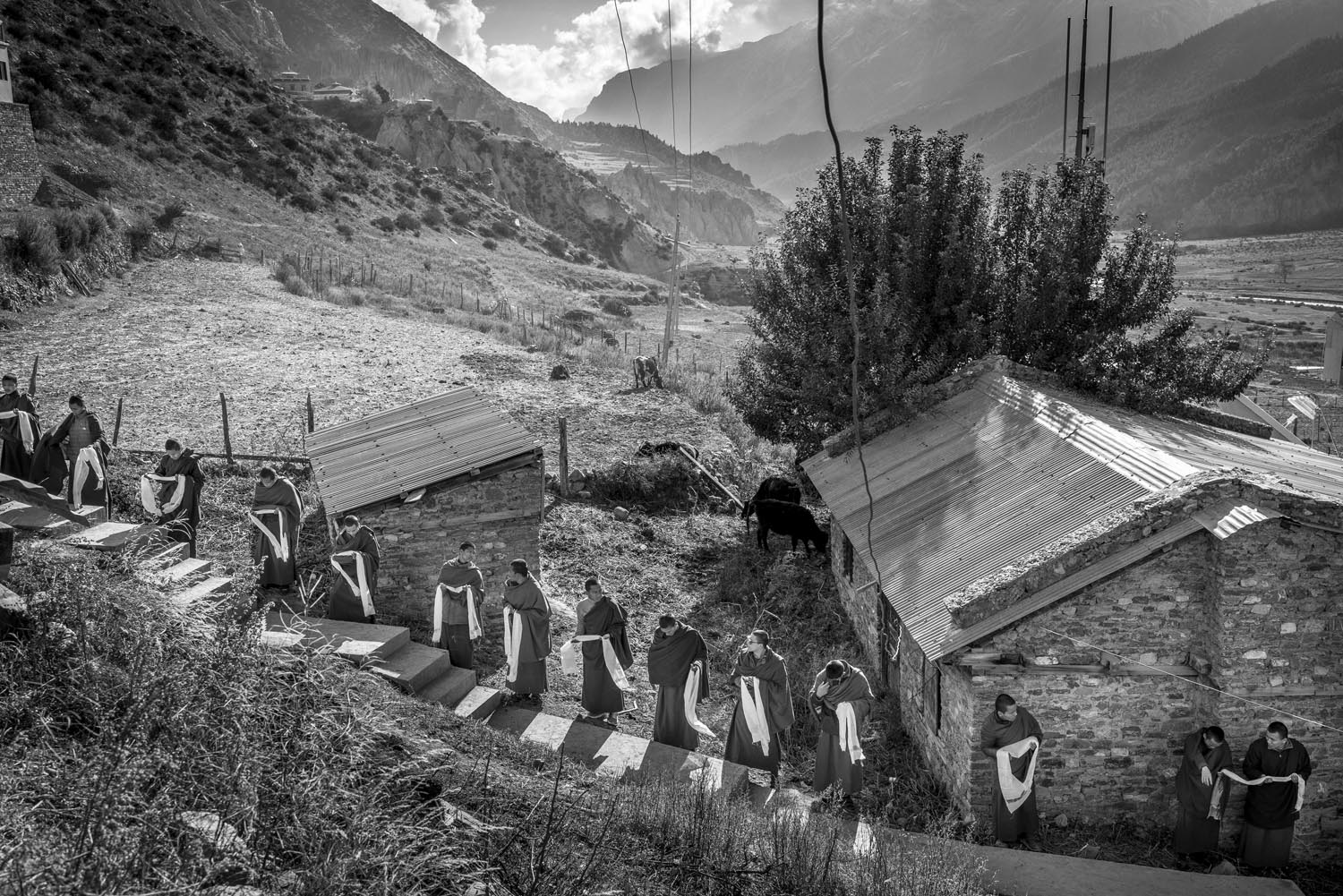
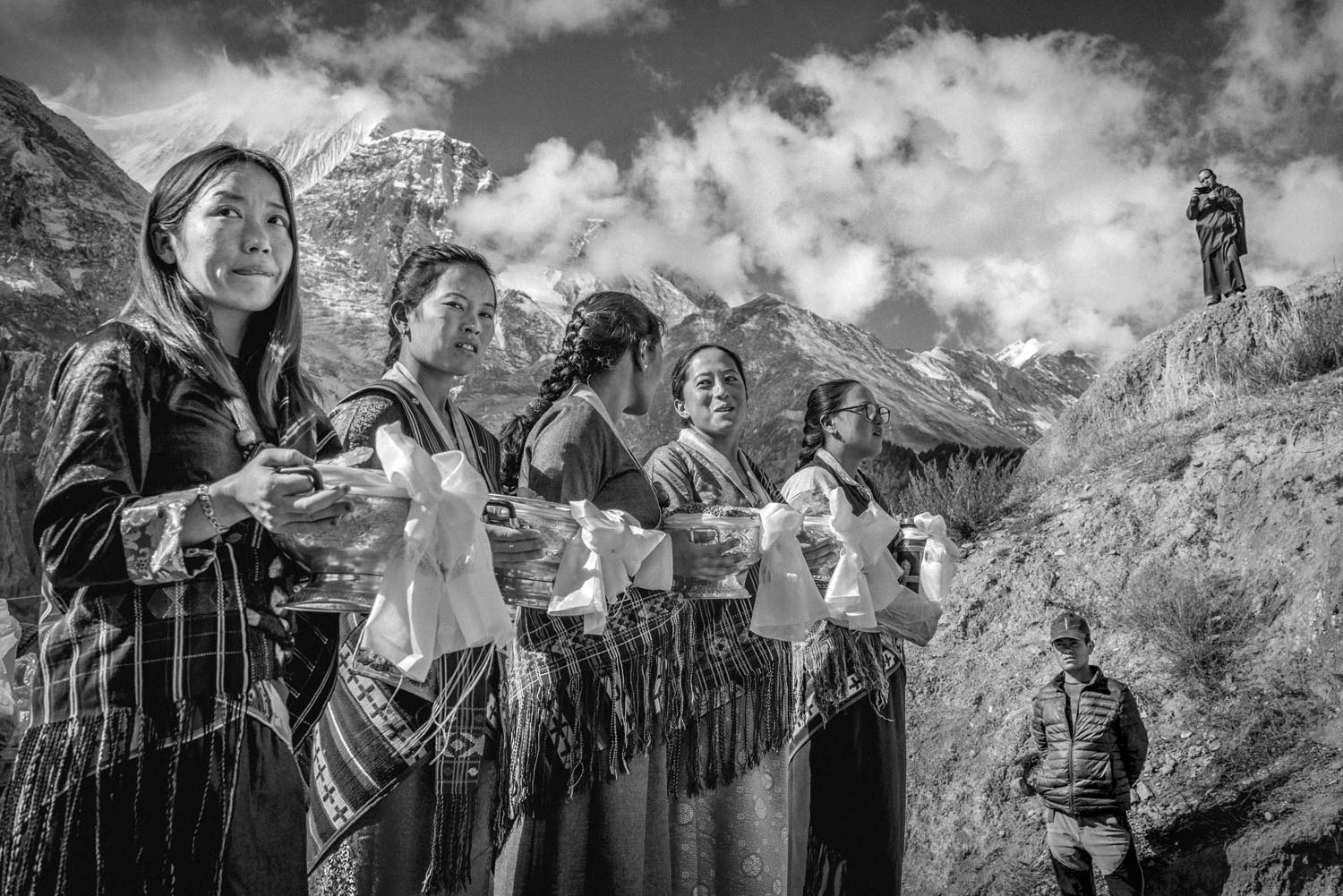
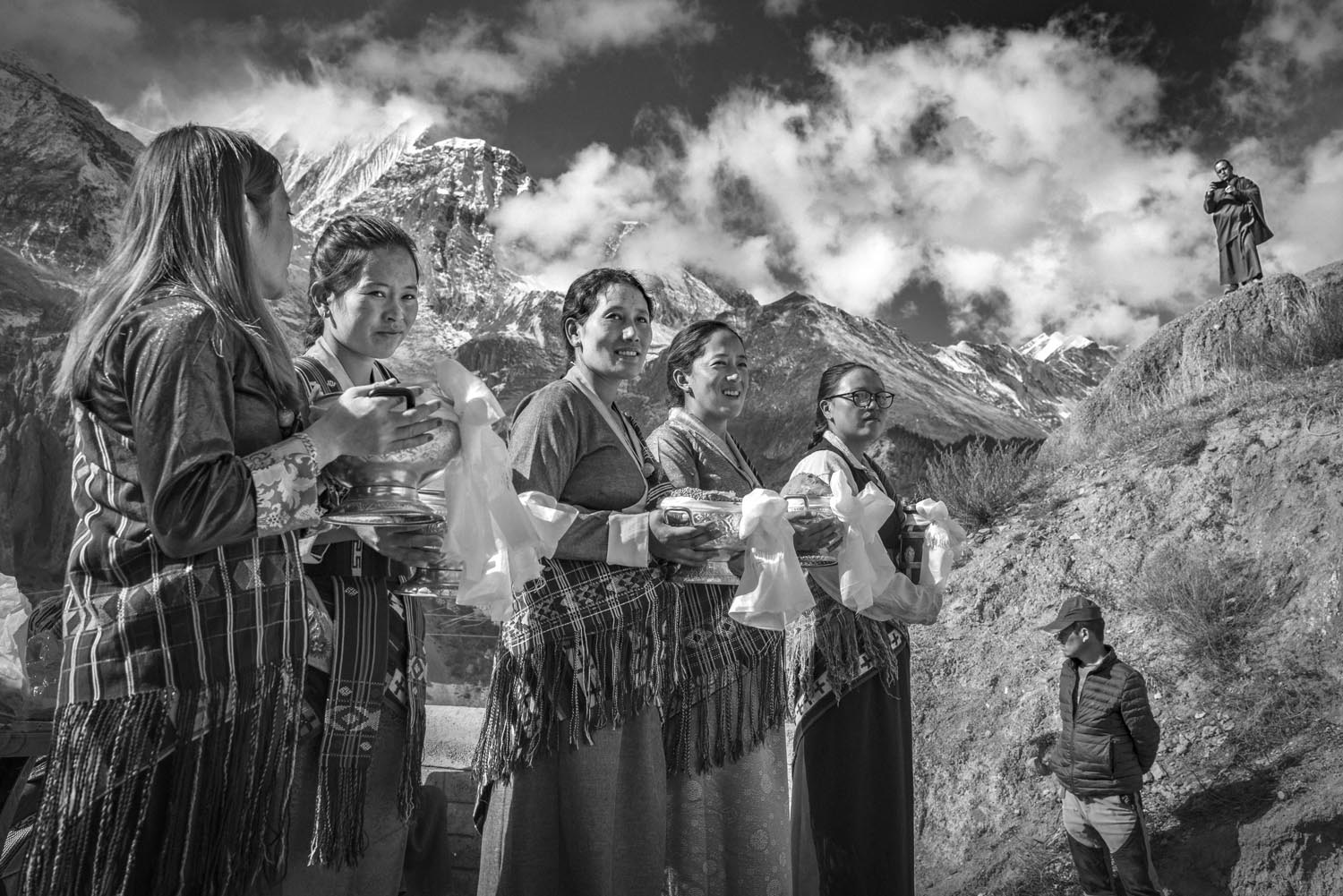
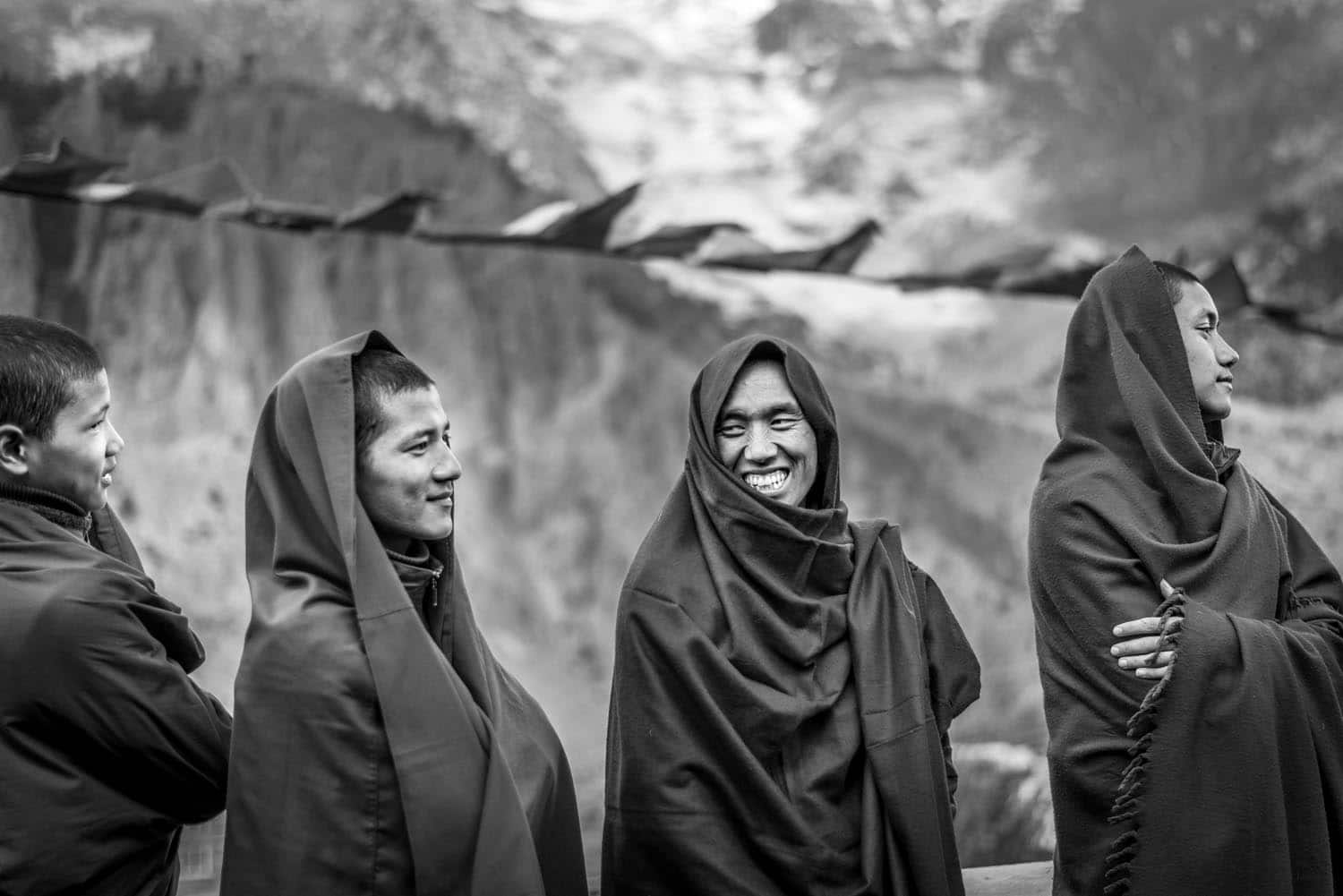
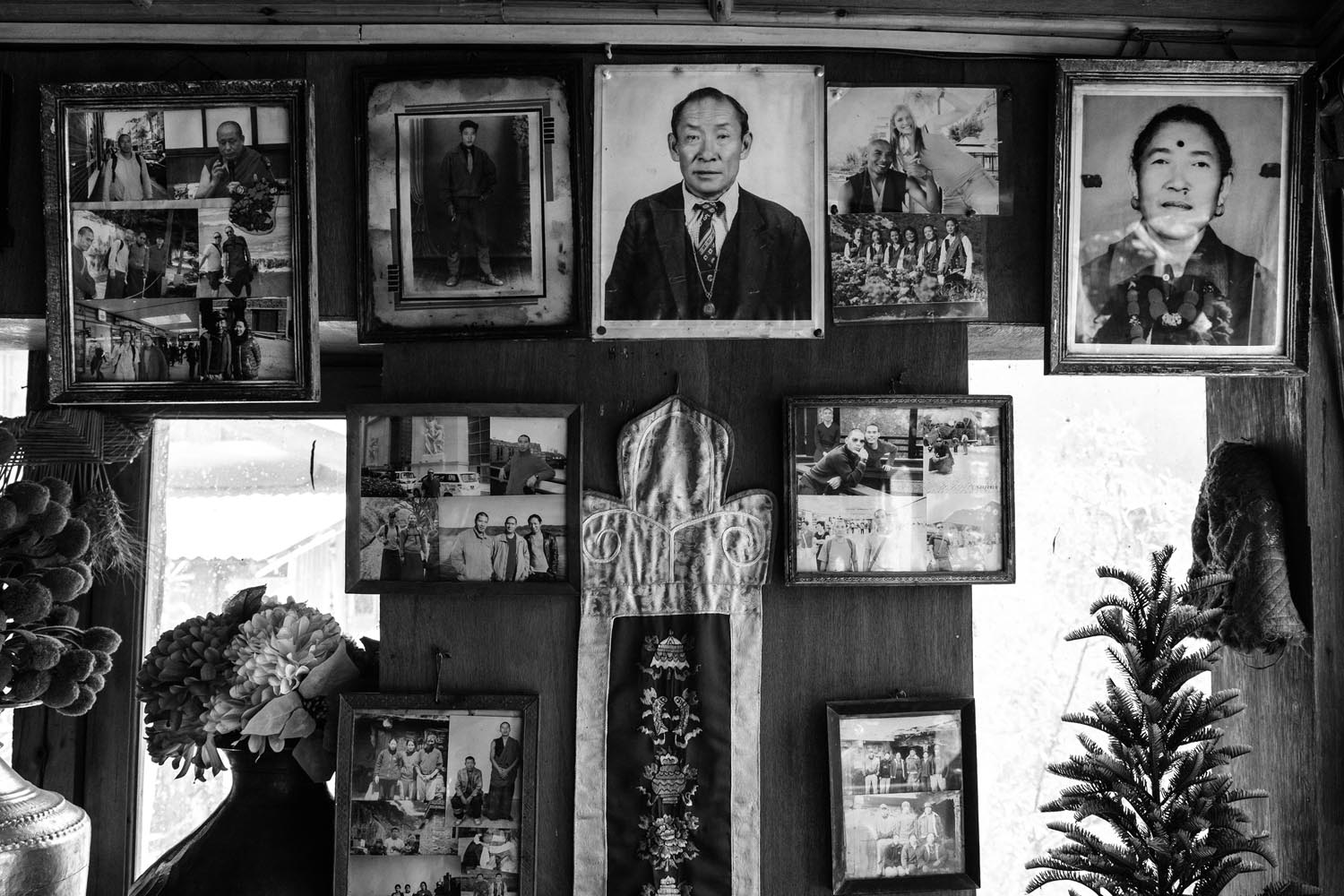
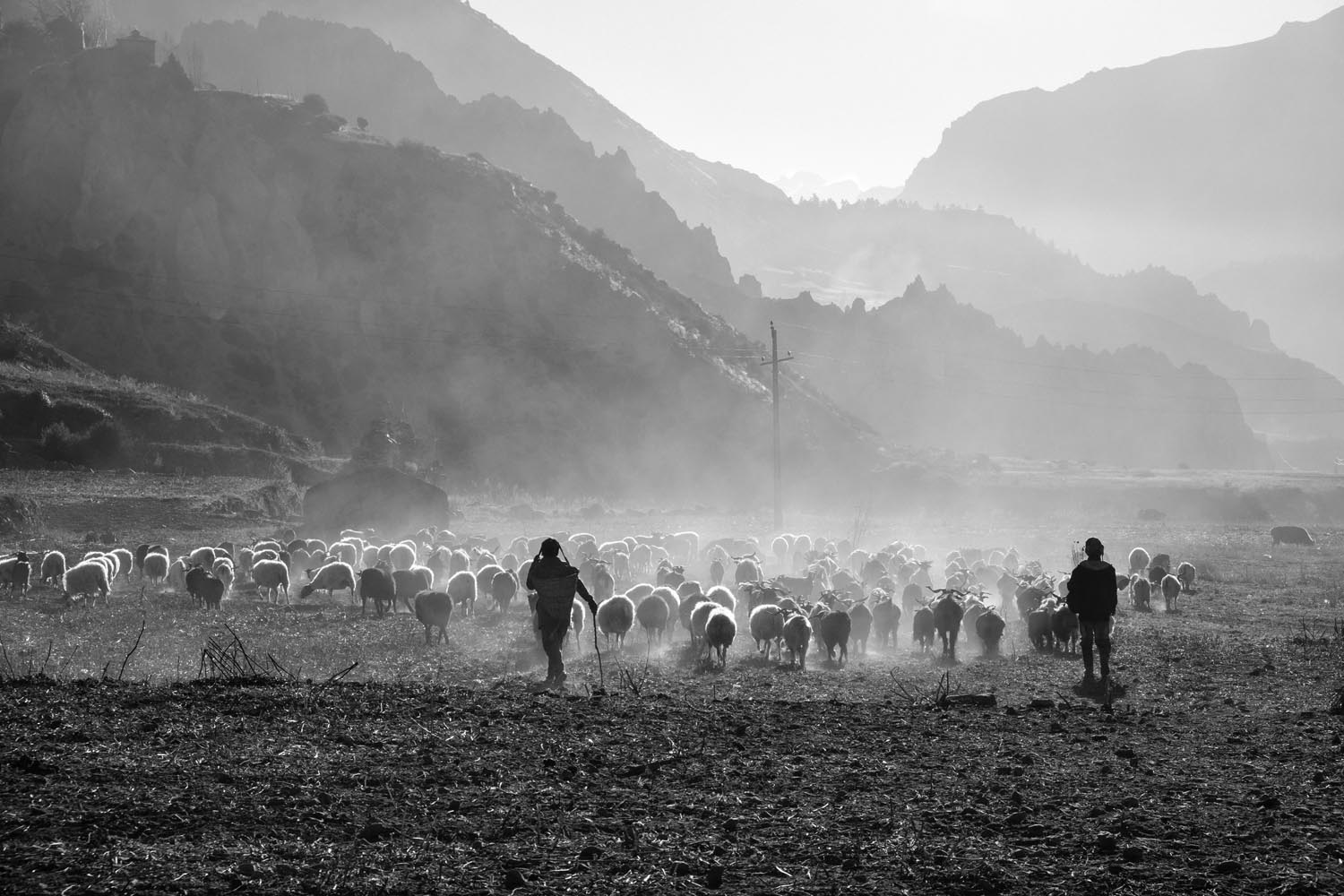
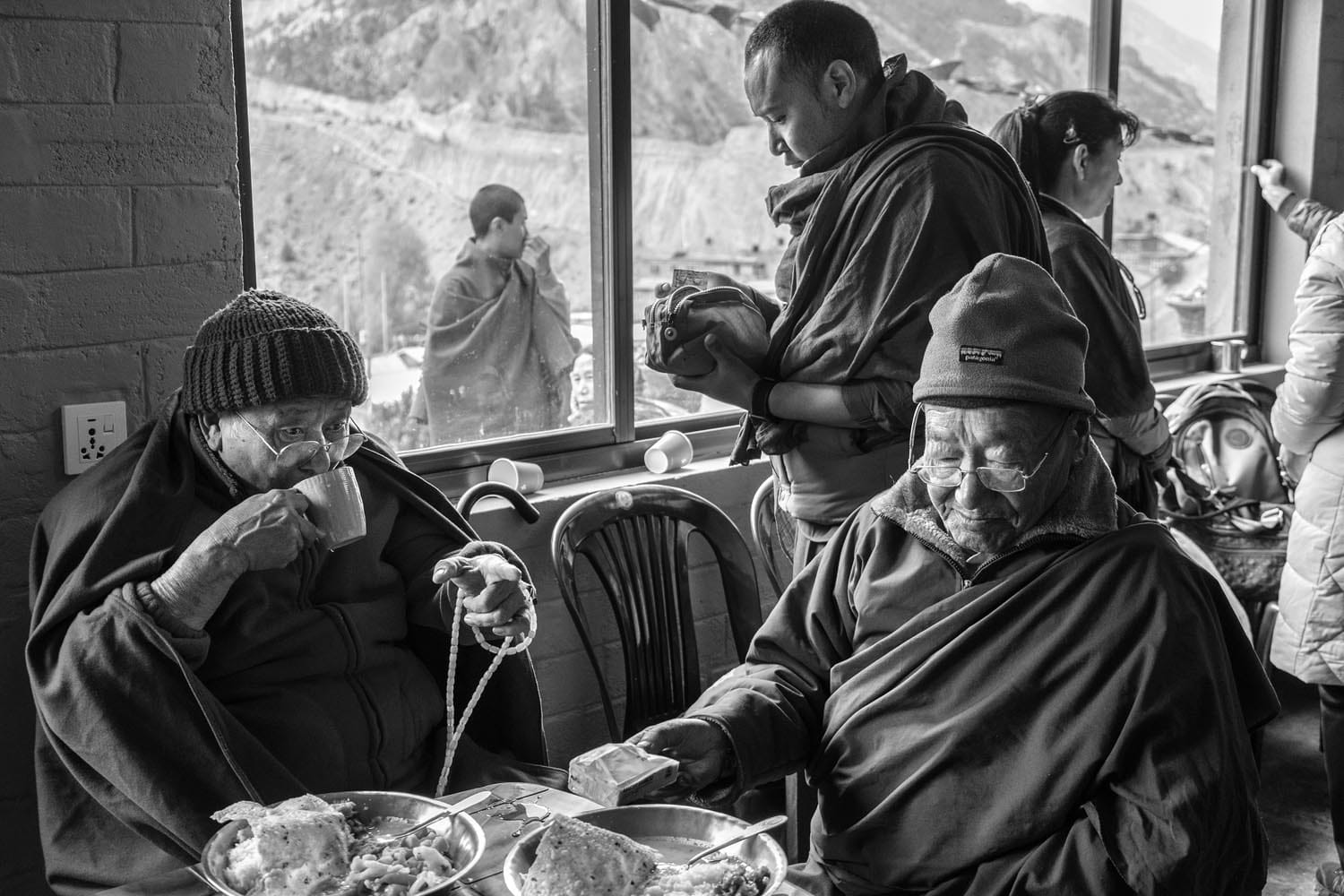
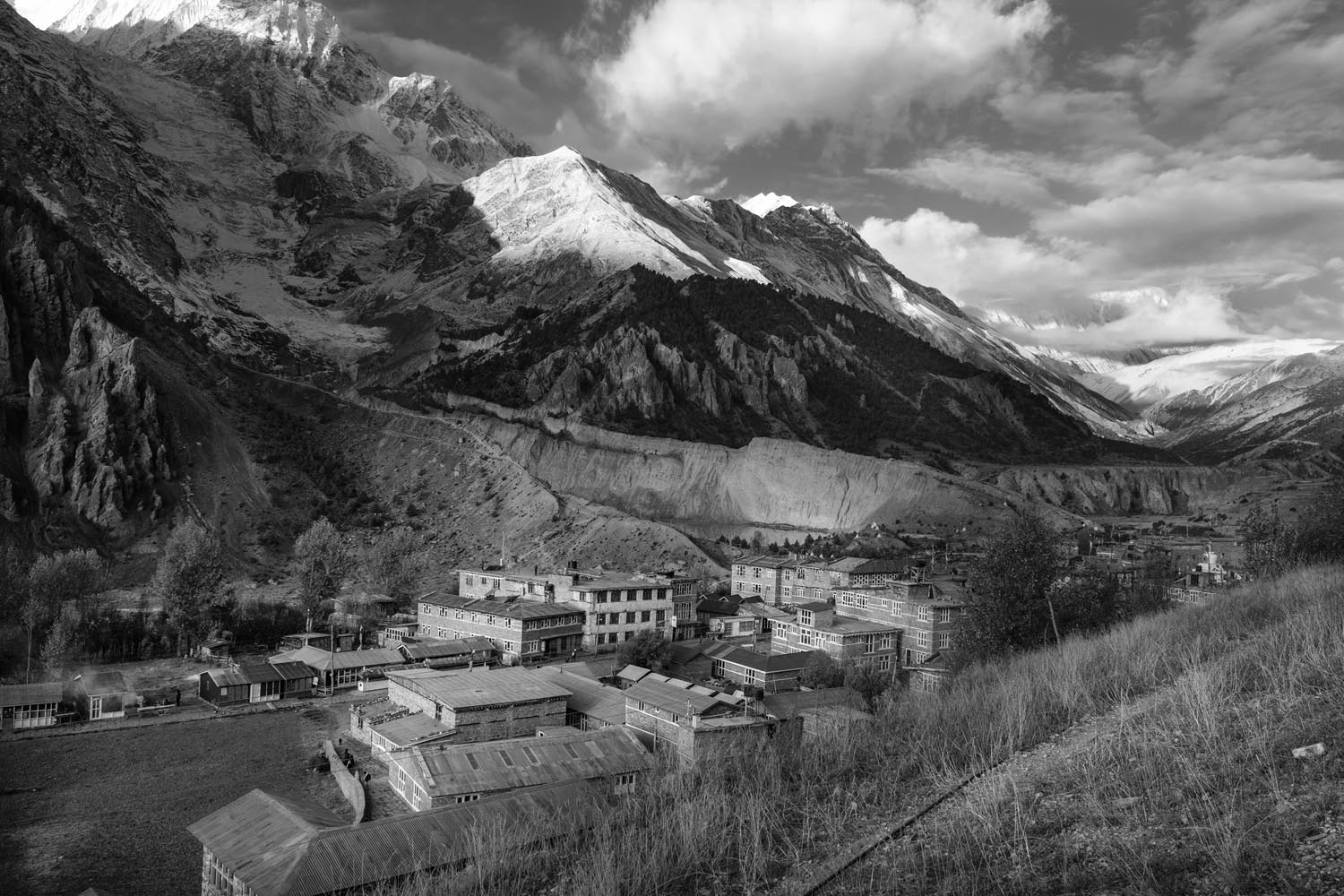
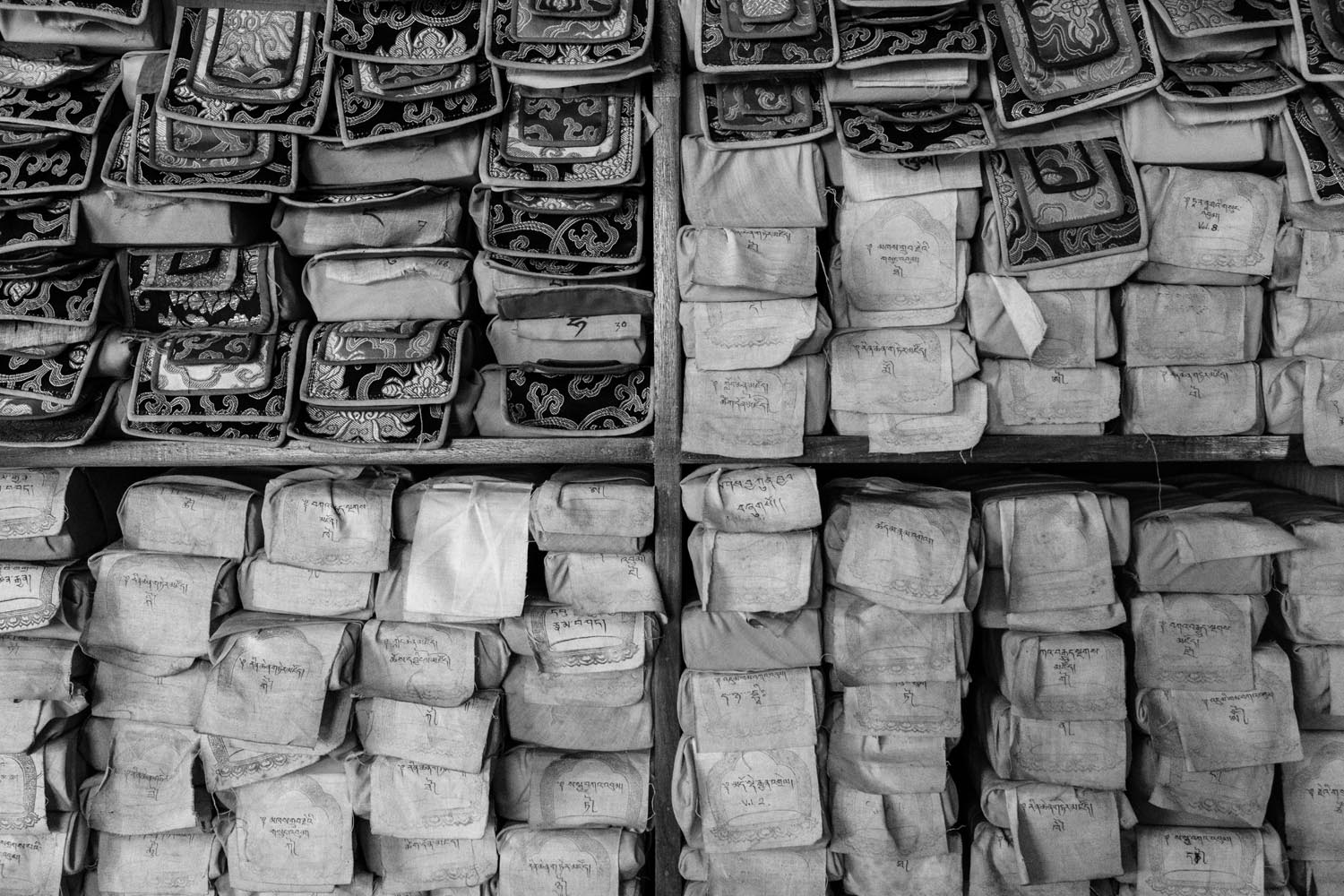
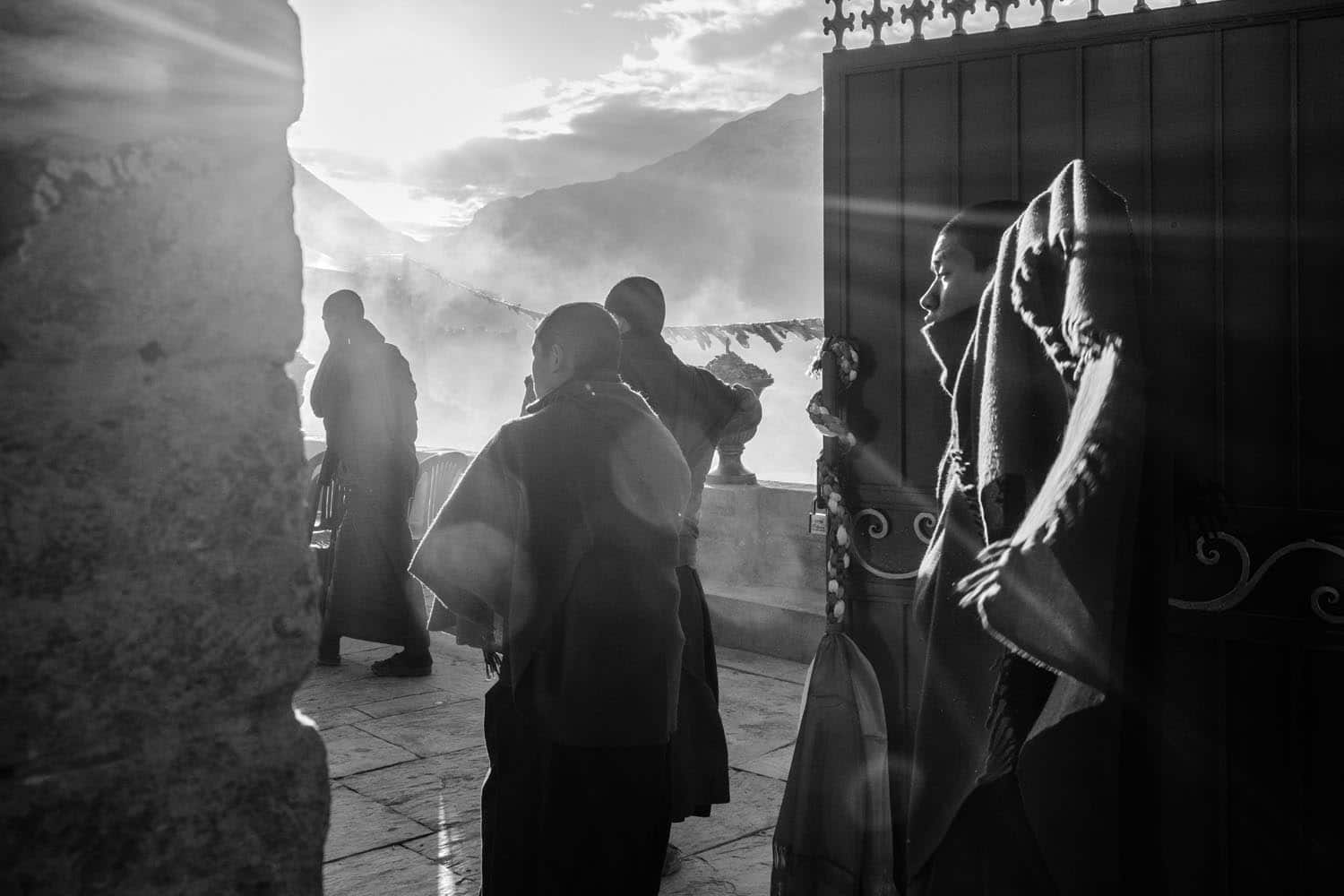
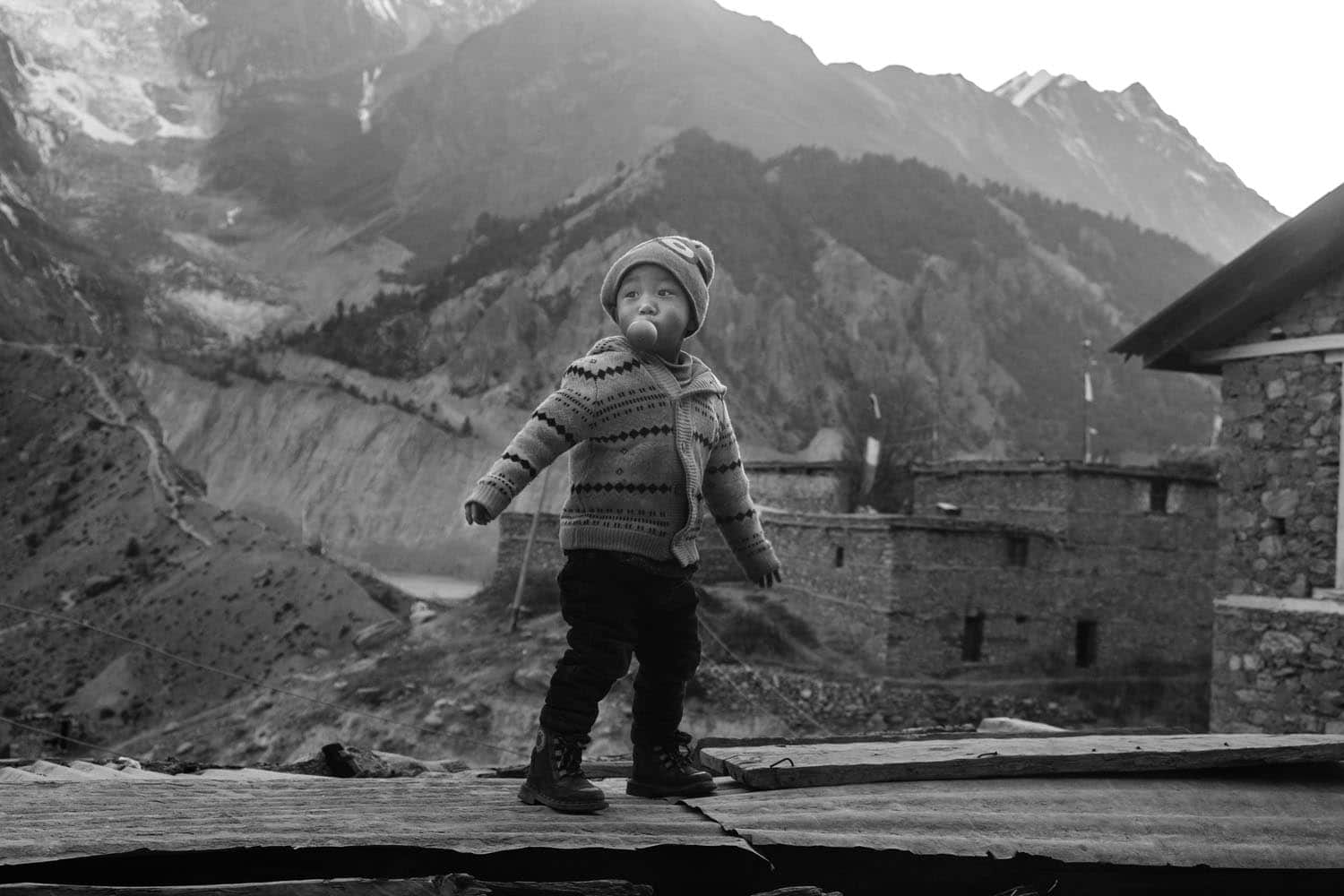
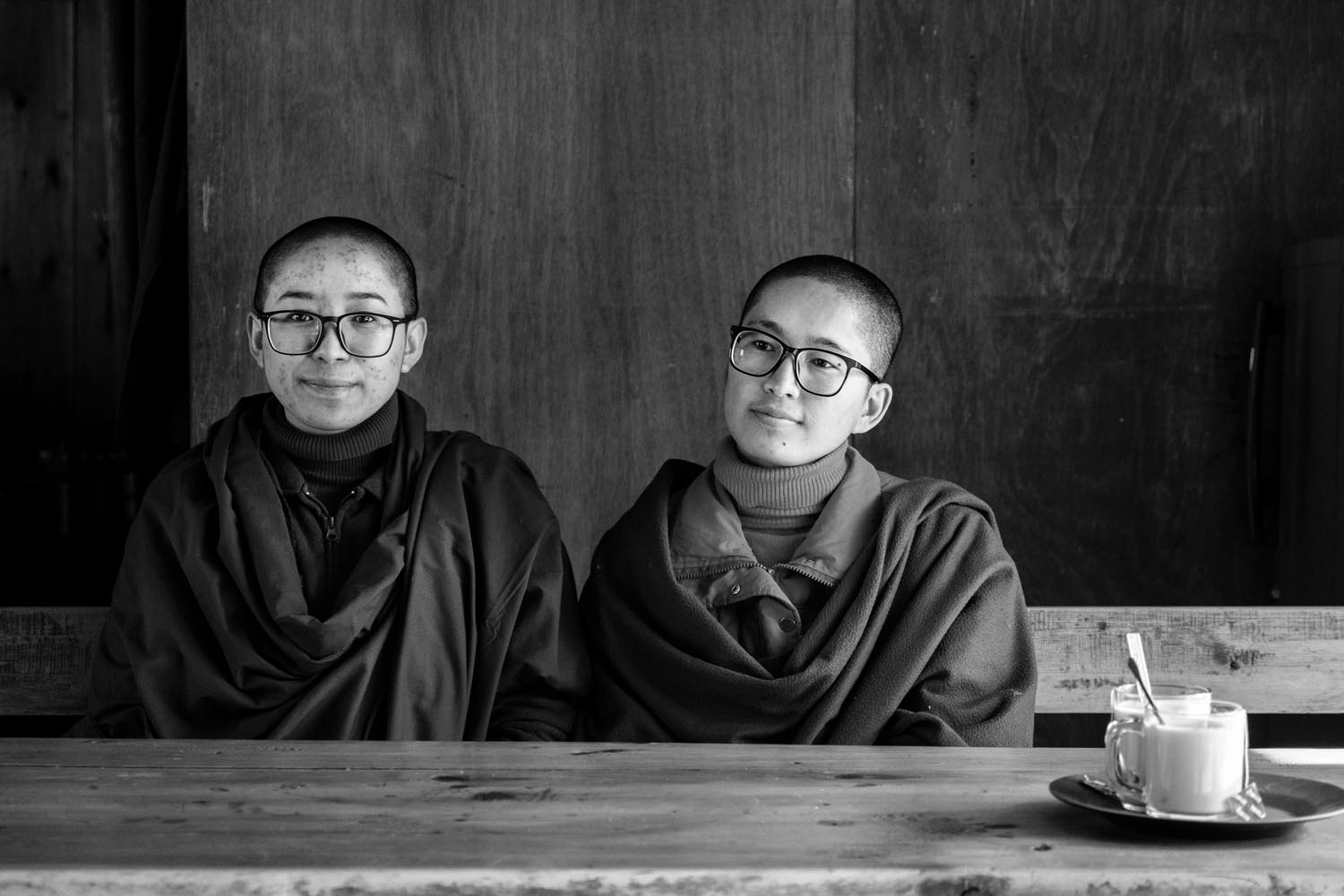
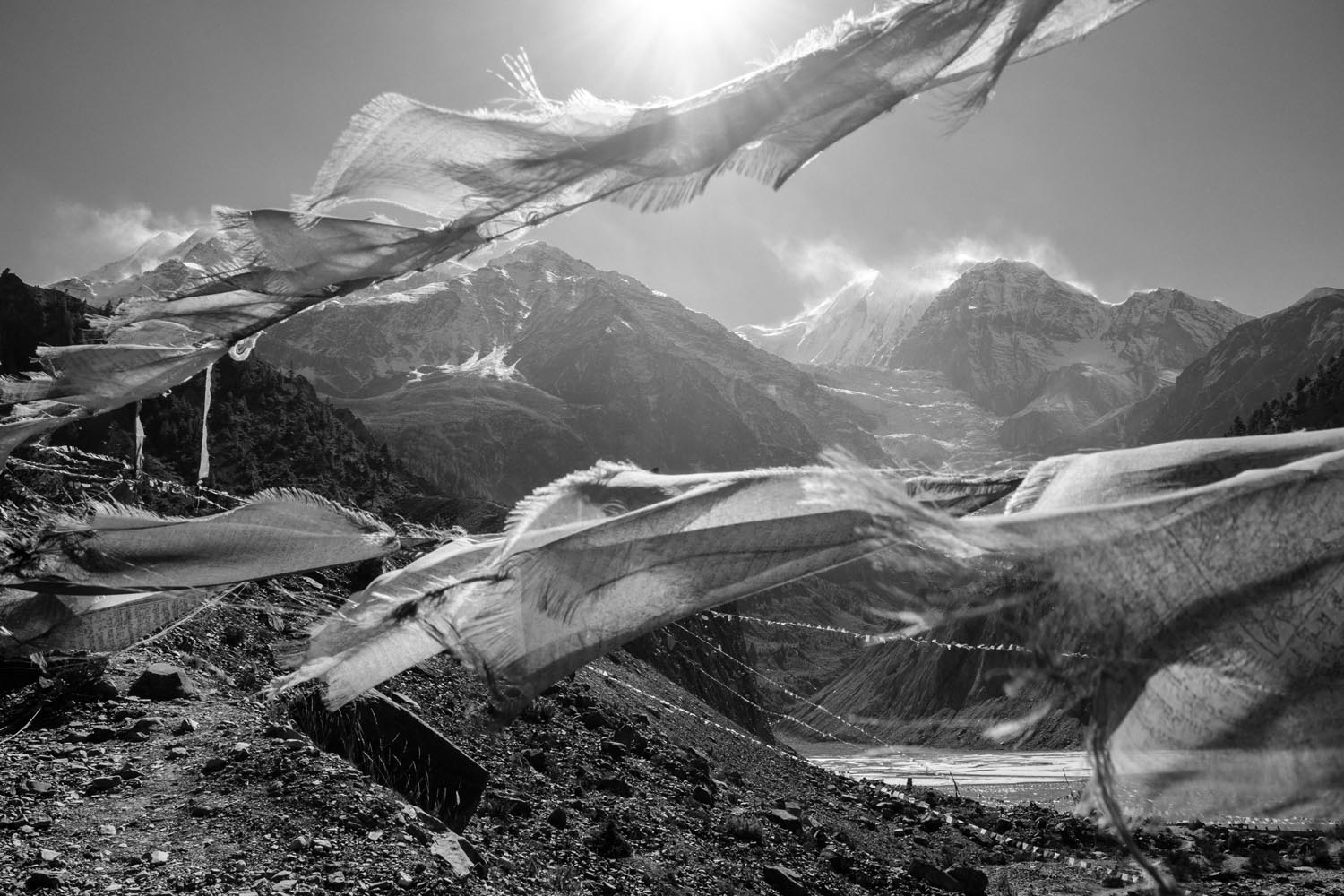
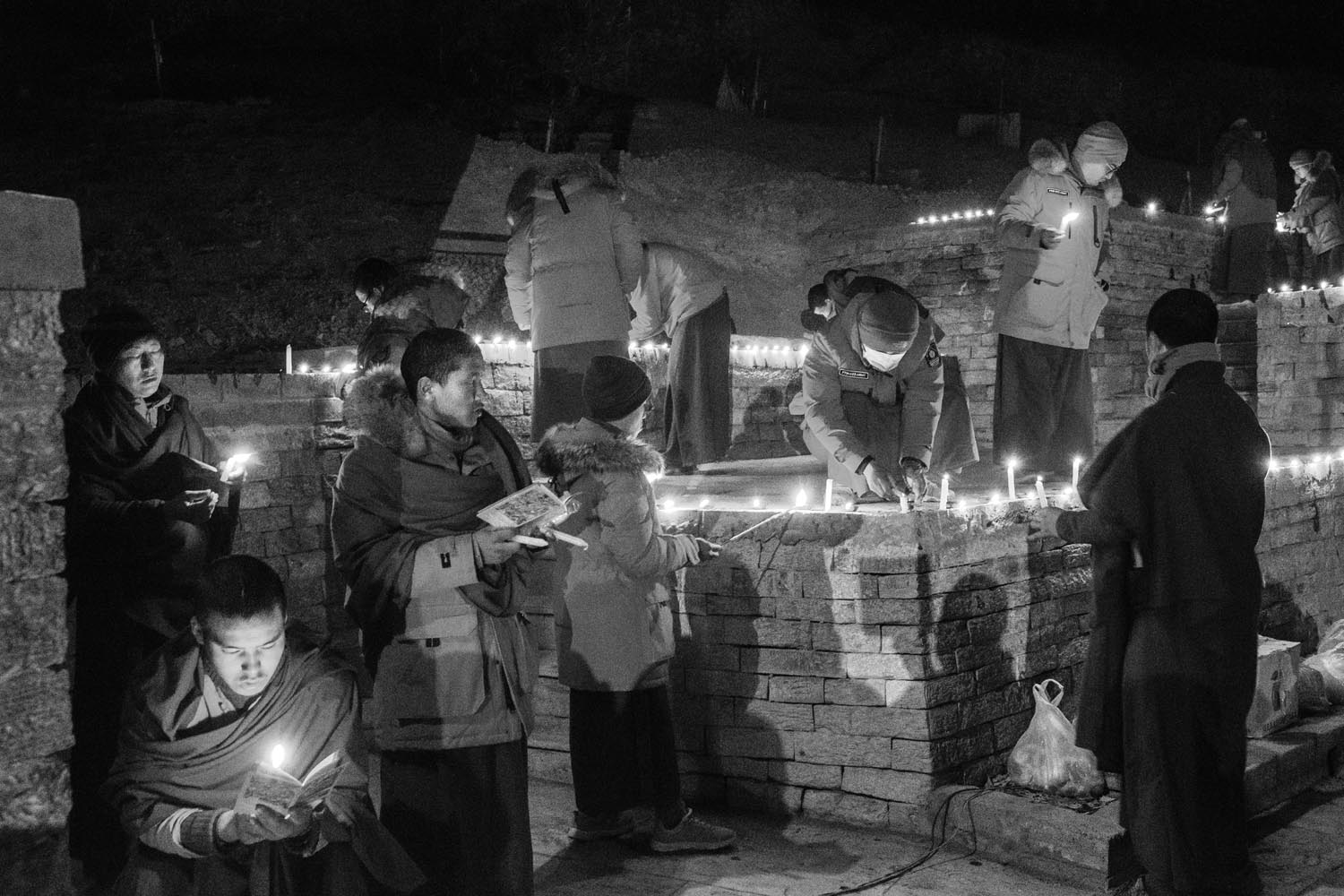
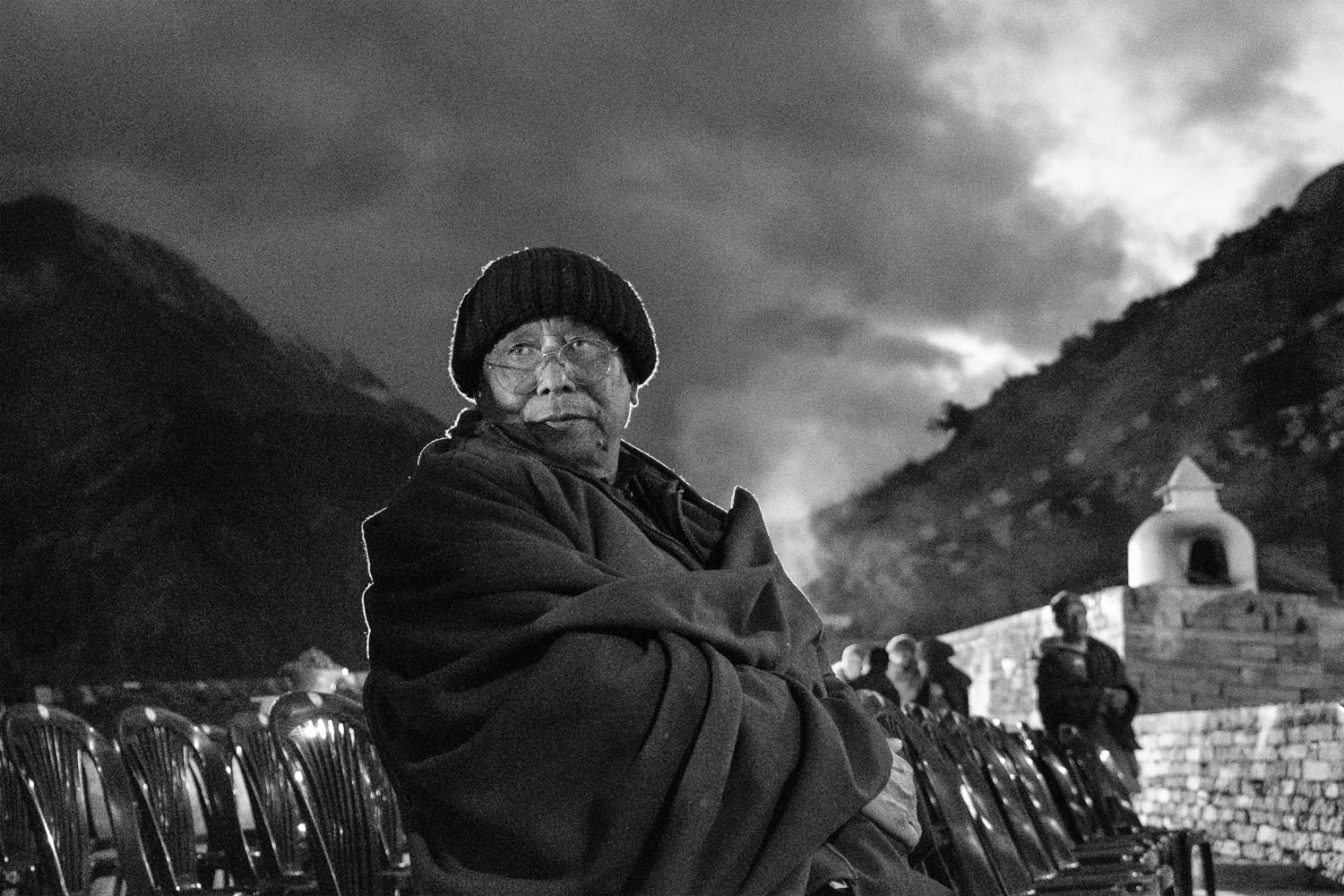
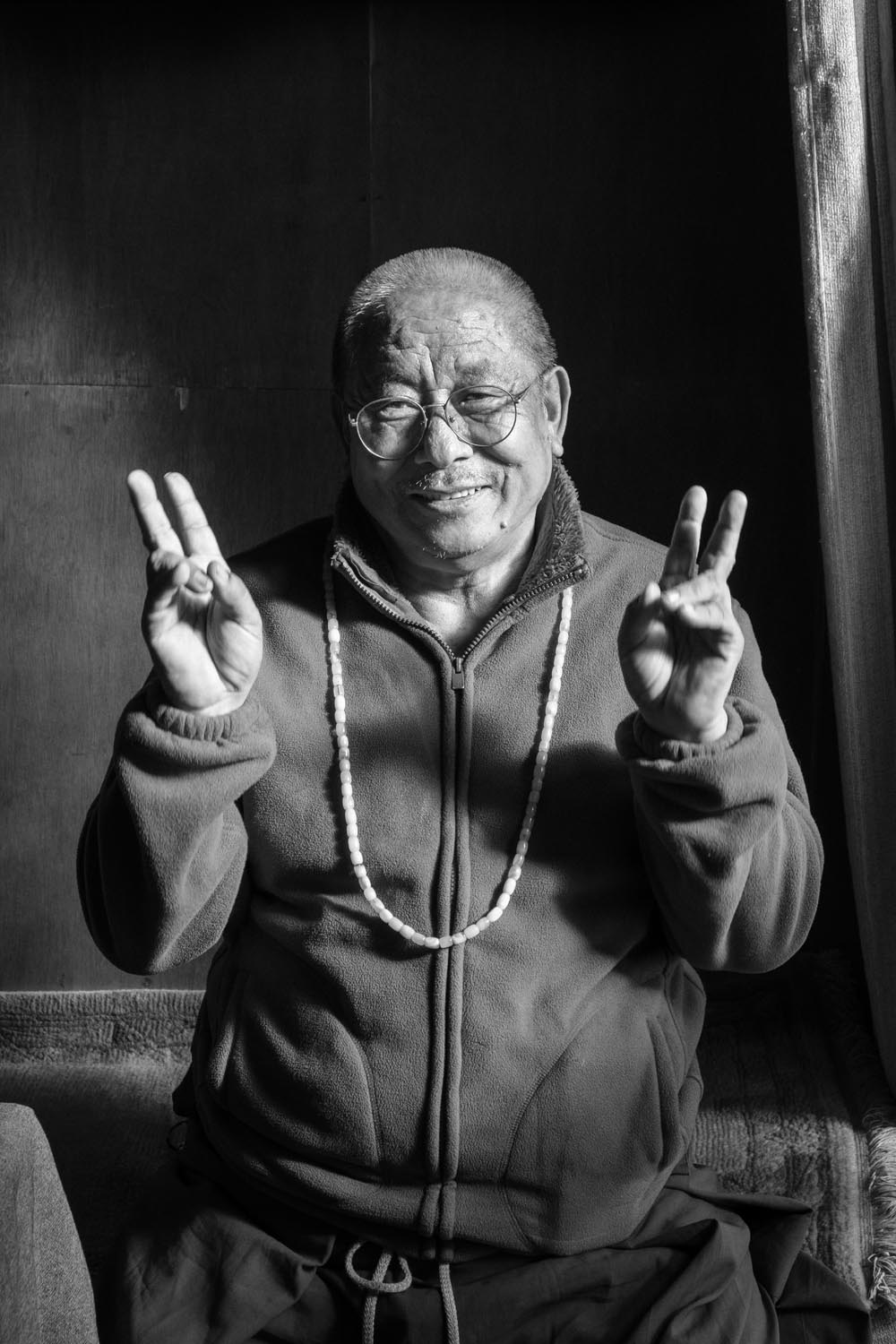
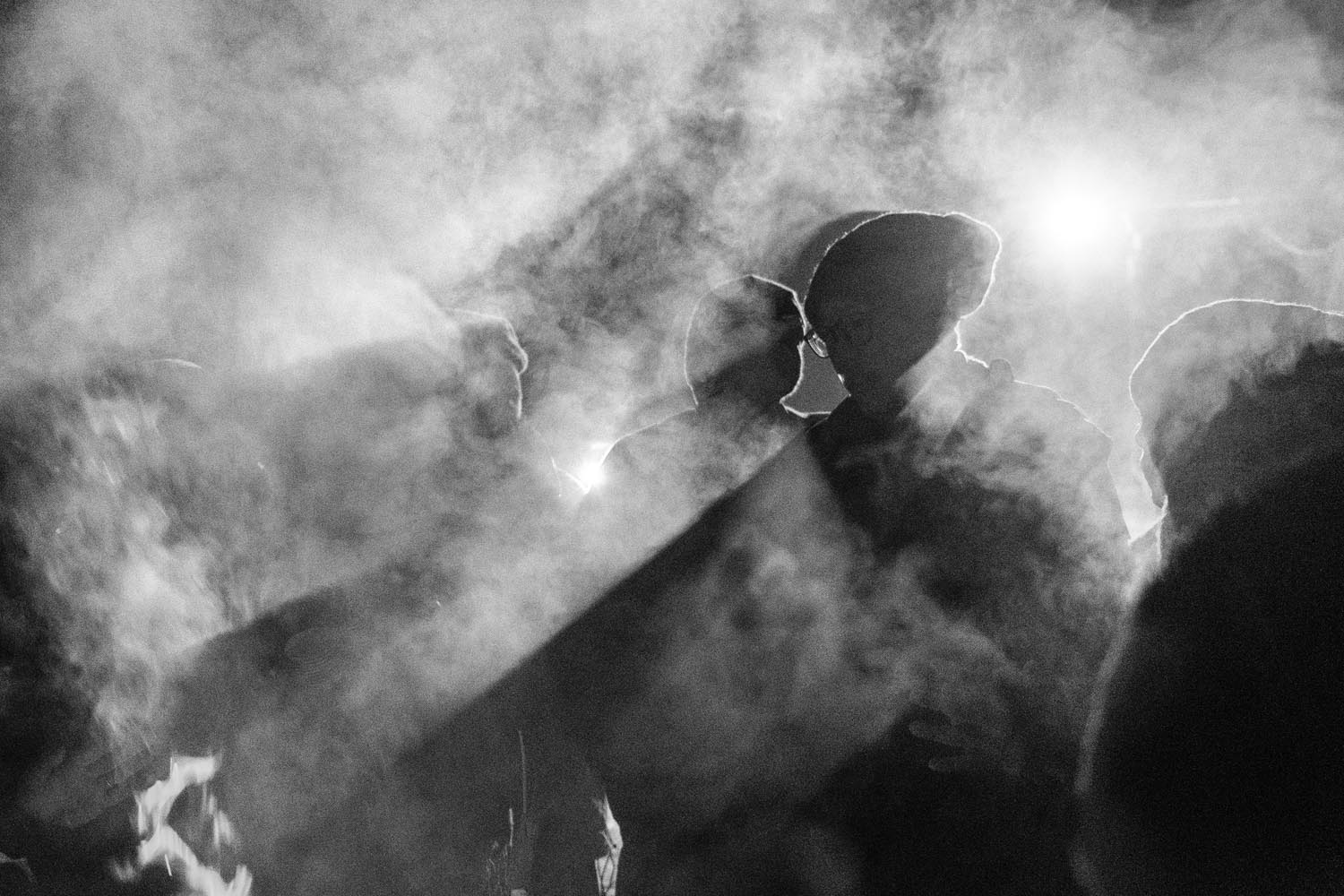
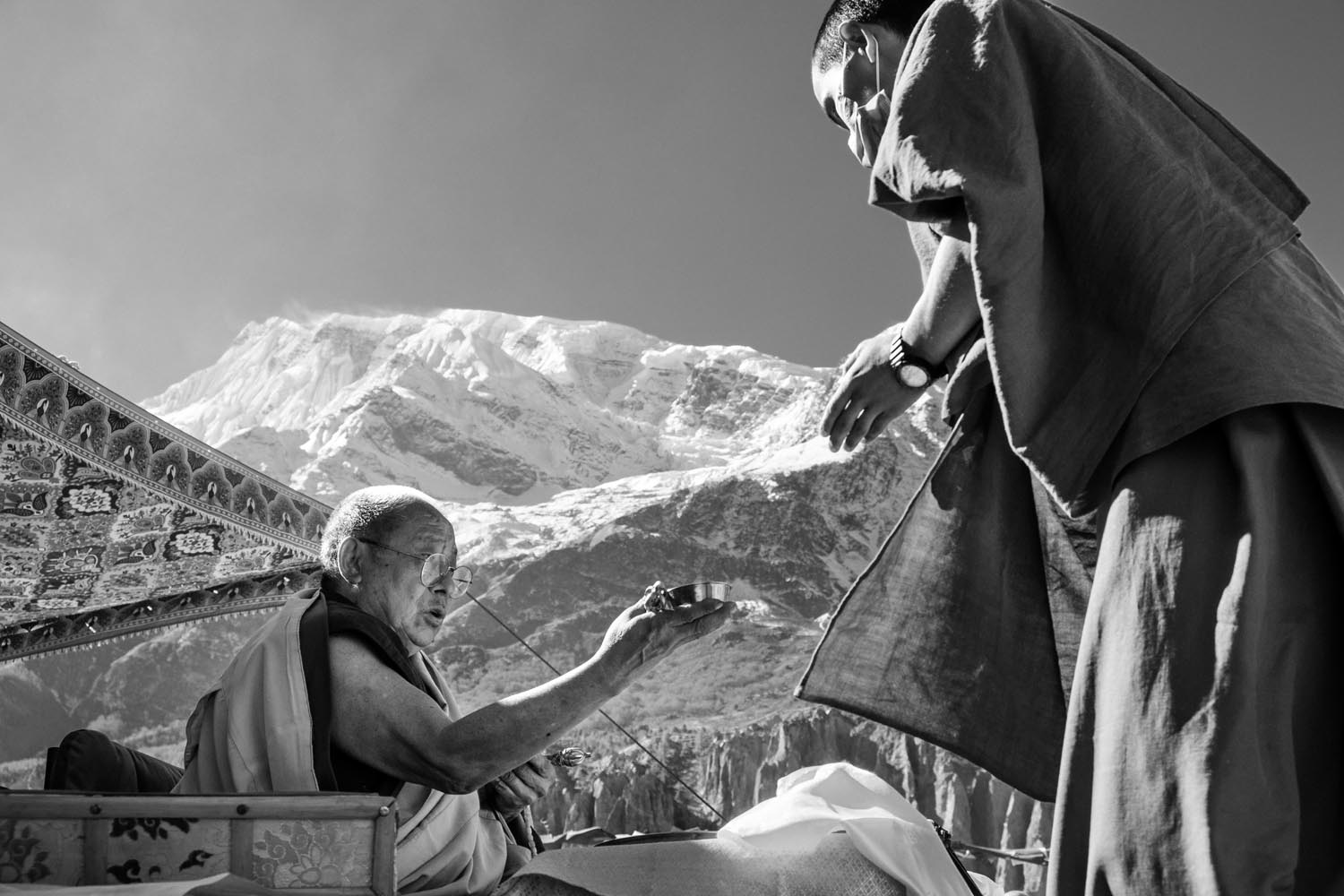
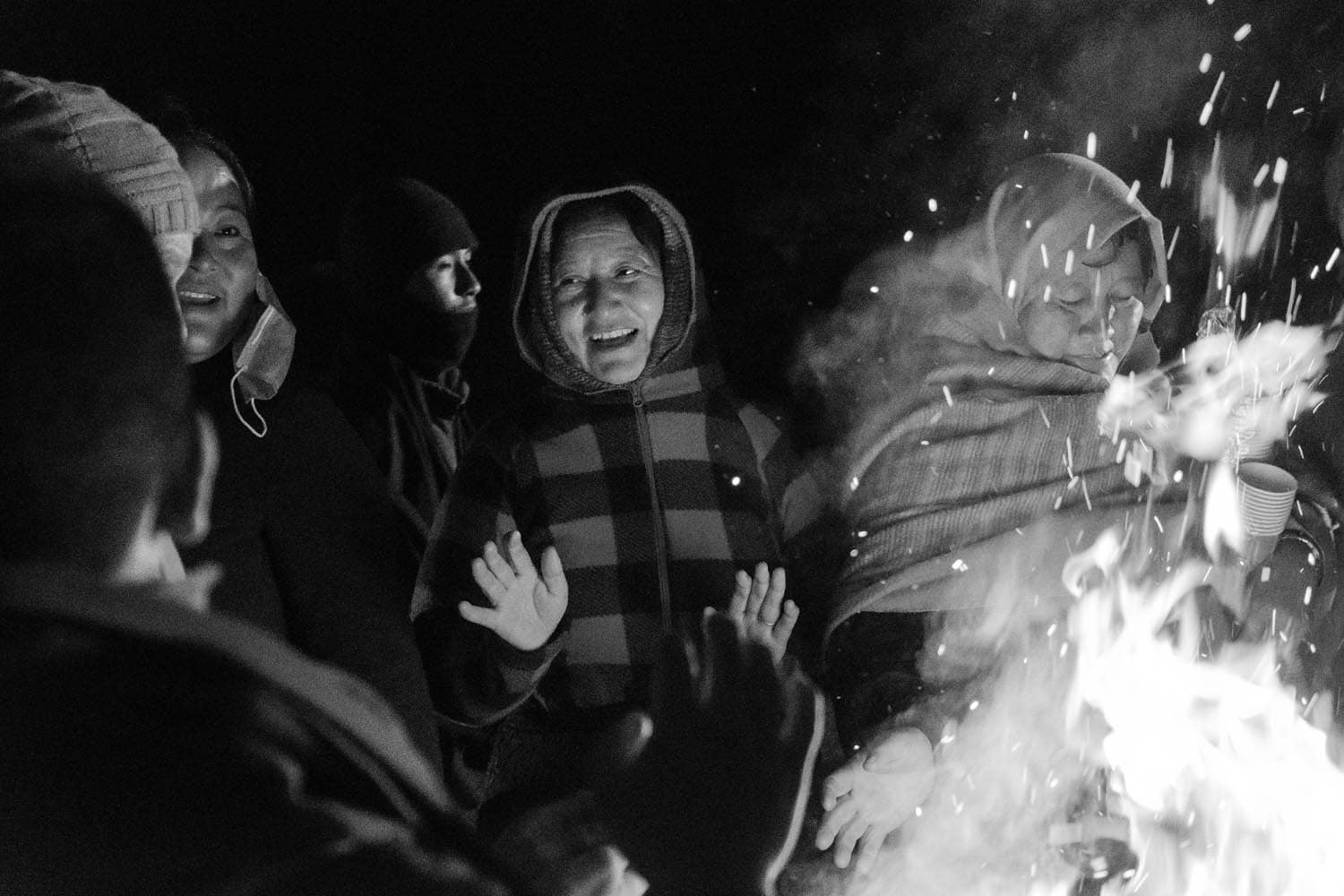
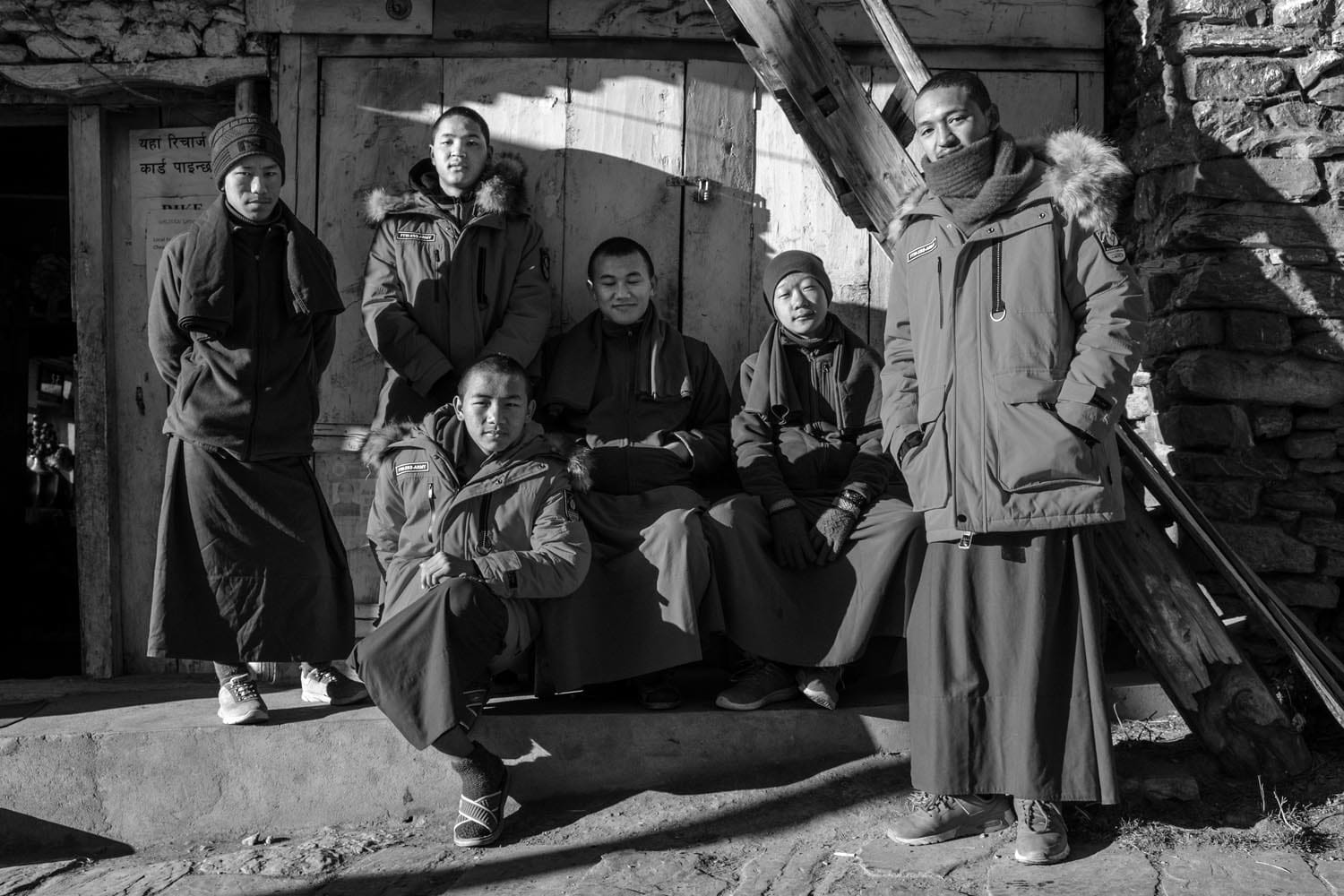
In the exhibition “The Reunion of Souls”, Jorge Delgado-Ureña and Christelle Enquist emphasize the lesser-known Nepal, sharing their experience of attending the inauguration of the commemorative monastery to Milarepa (an important figure in Buddhist history) in Manang, inaugurated on November 4, 2019 by Venerable Choje Lama Phuntsok Rinpoche. While it is a document of the event, the photographic work also represents these two photographers’ personal vision of the essence of Buddhism, which often goes beyond stereotypes.

Jorge and Christelle are photographers based in Barcelona, Spain. In 2016 they traveled to Nepal for the first time and were so inspired by the country, culture, and its people that they founded Raw Photo Tours. The main objective of their trips was to bring international photographers to Nepal and guide them both in photography and discovering the country that stole their hearts. Since then, they have organized photographic trips to Nepal twice a year and have expanded this concept to countries such as Morocco, Cuba, India, and Indonesia. A selection of photos is available for sale at: https://www.rawphototours.com/fine-art-prints/

Antonio Briceño

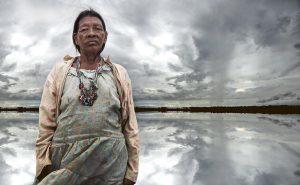
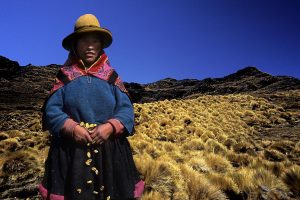
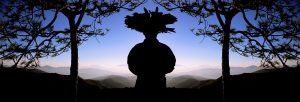
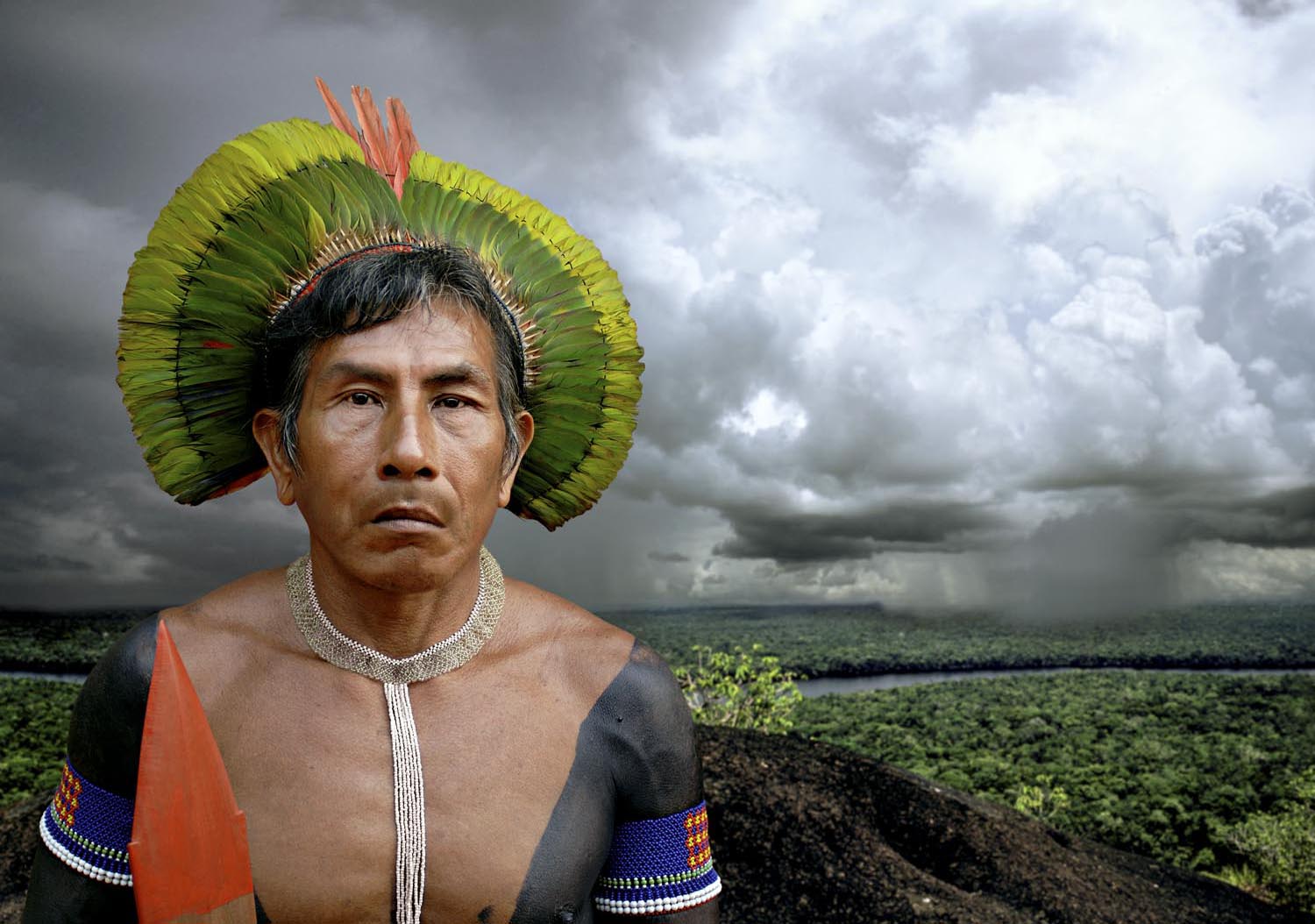
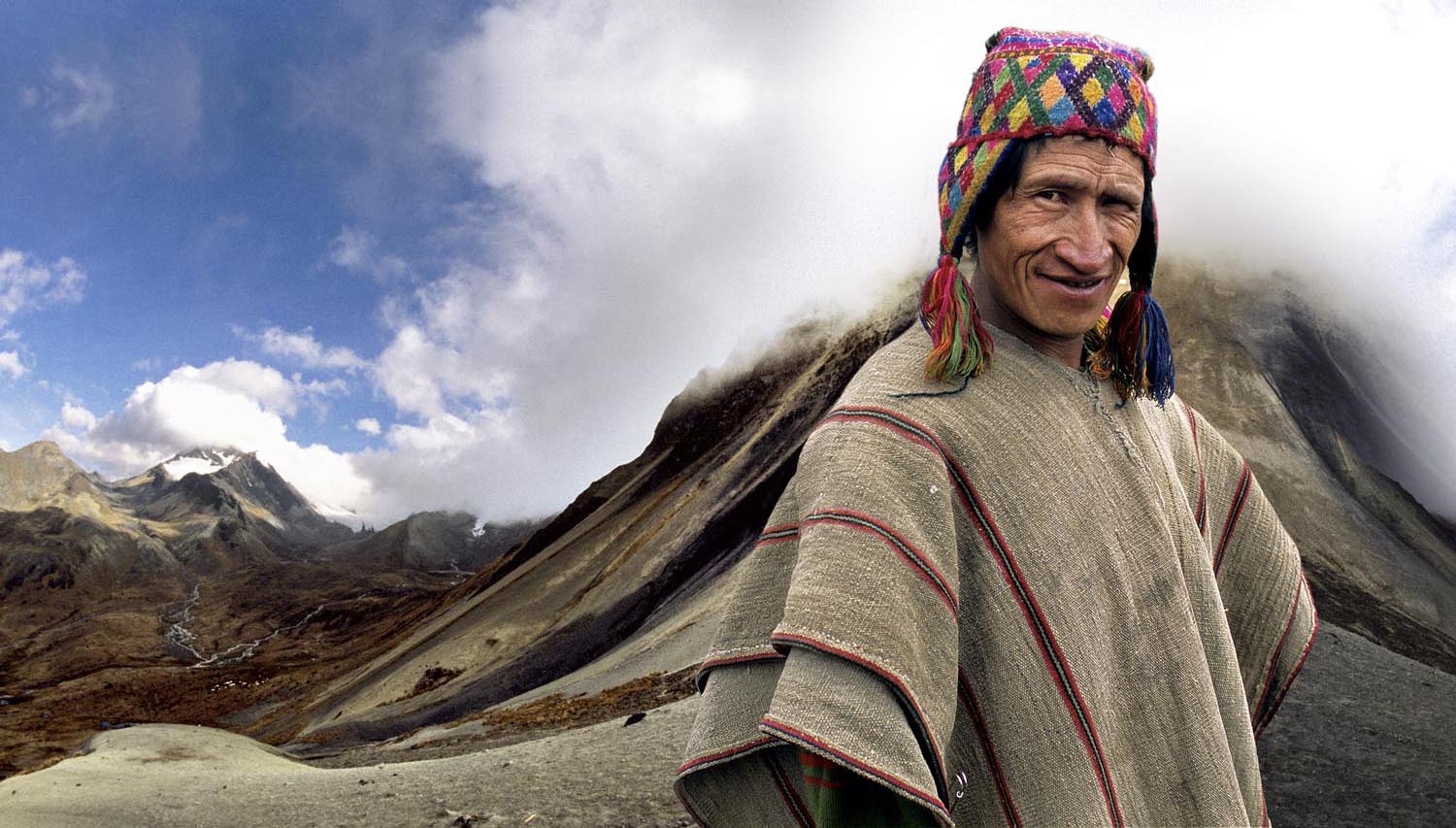
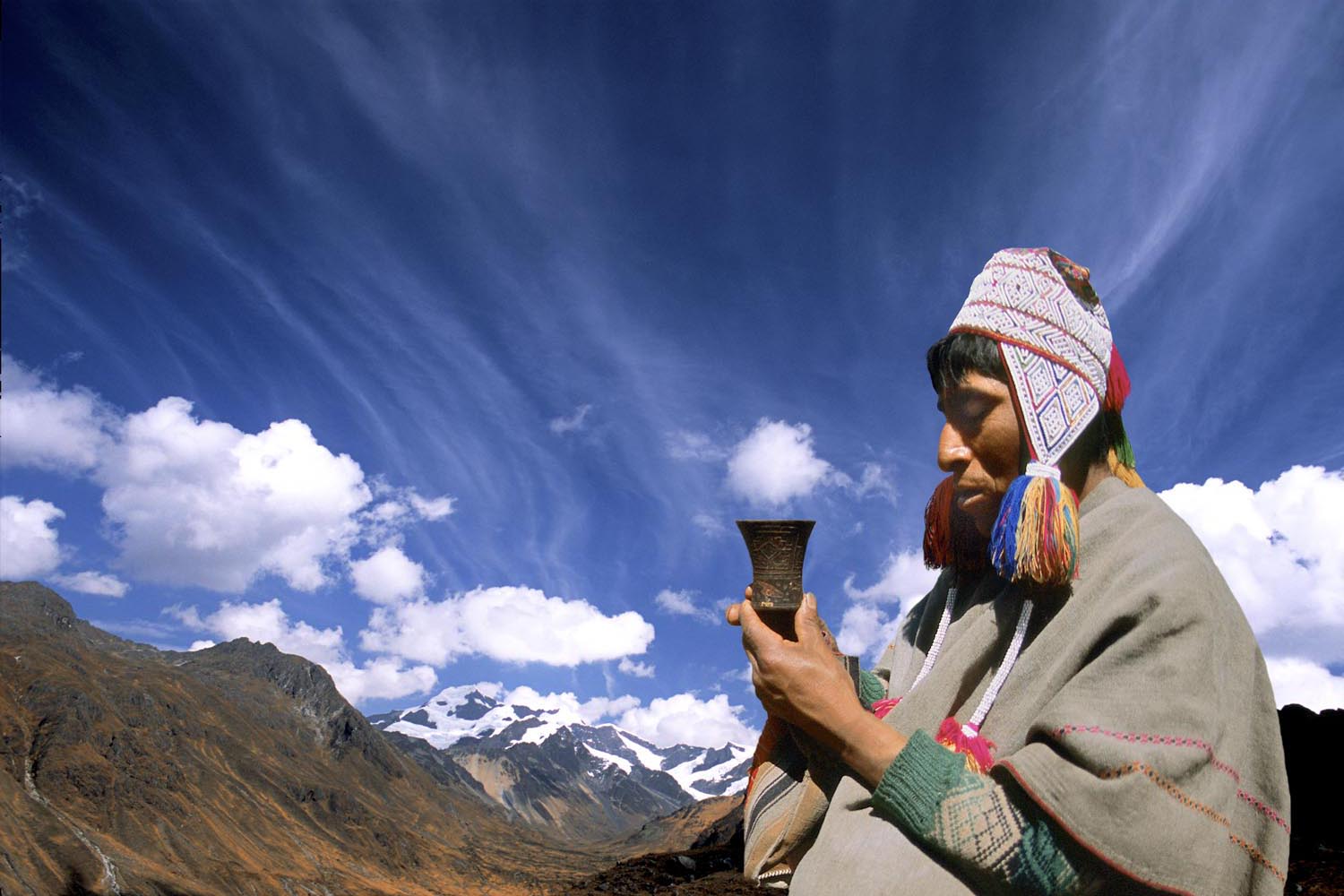
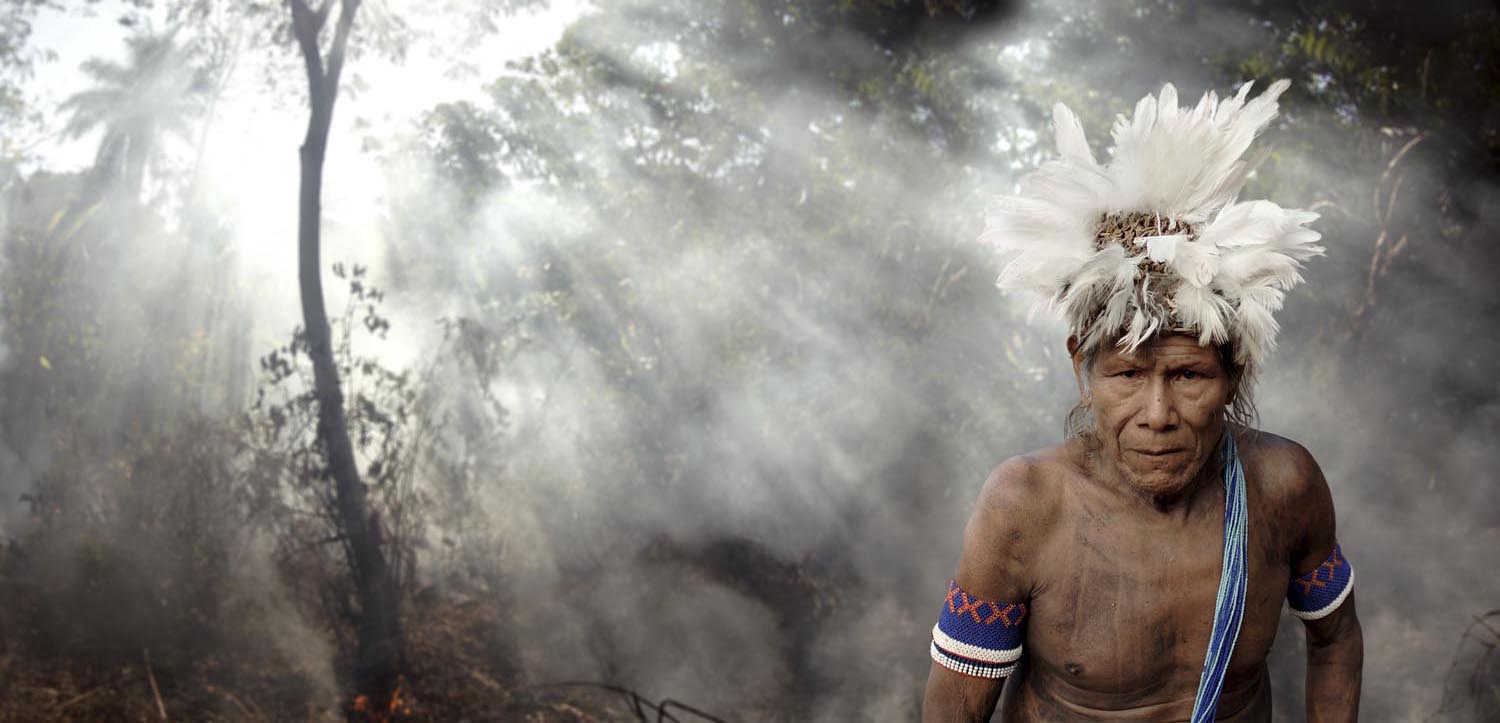
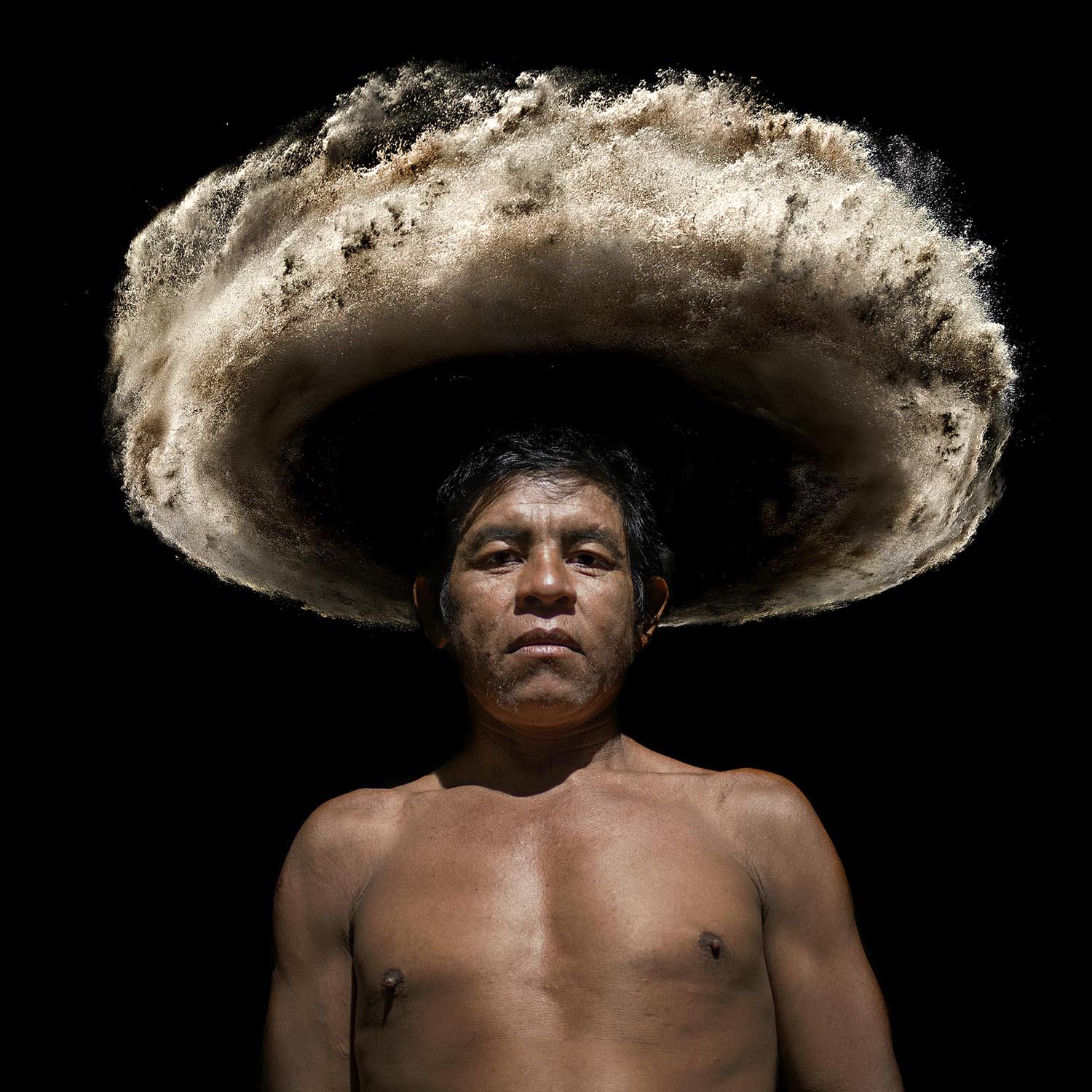
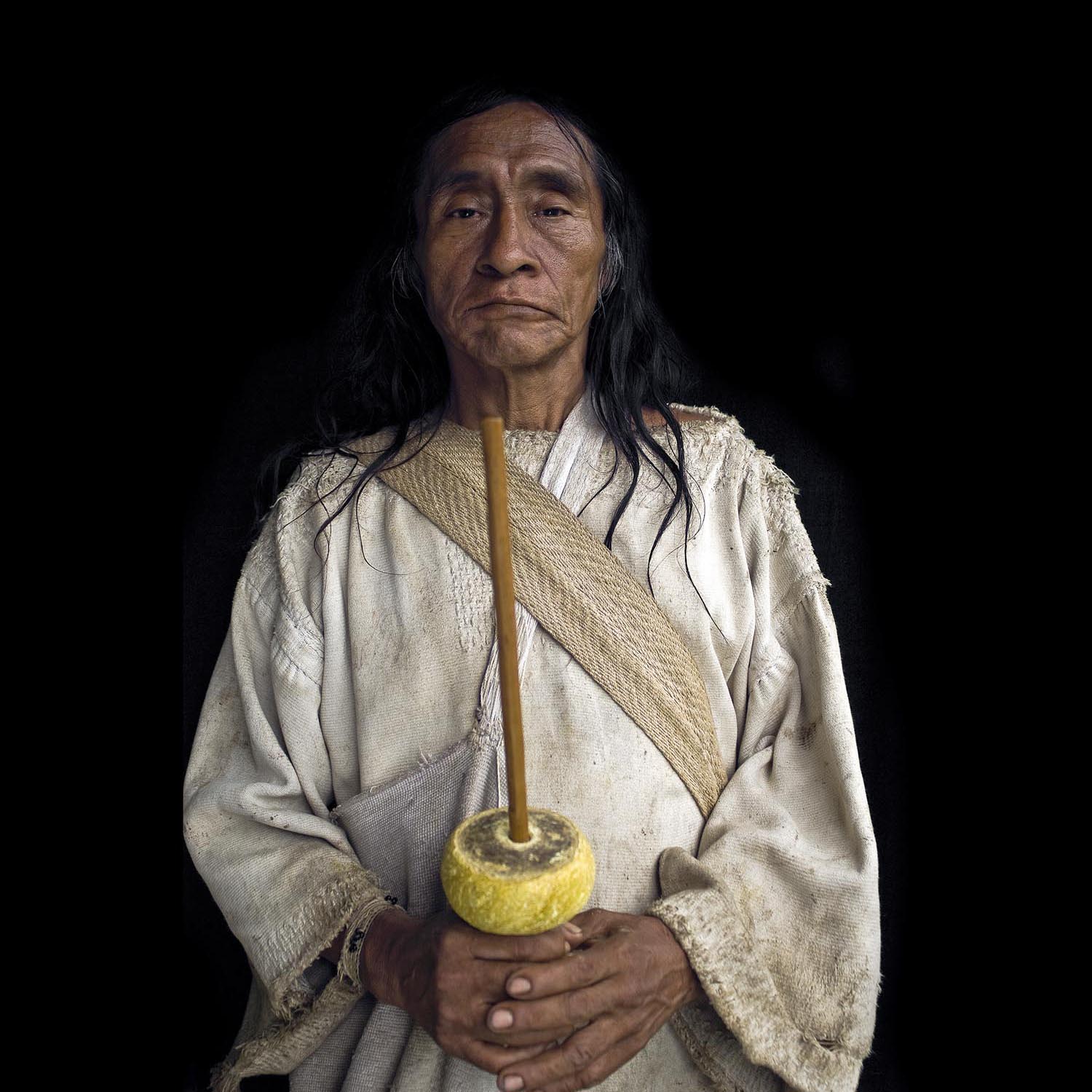
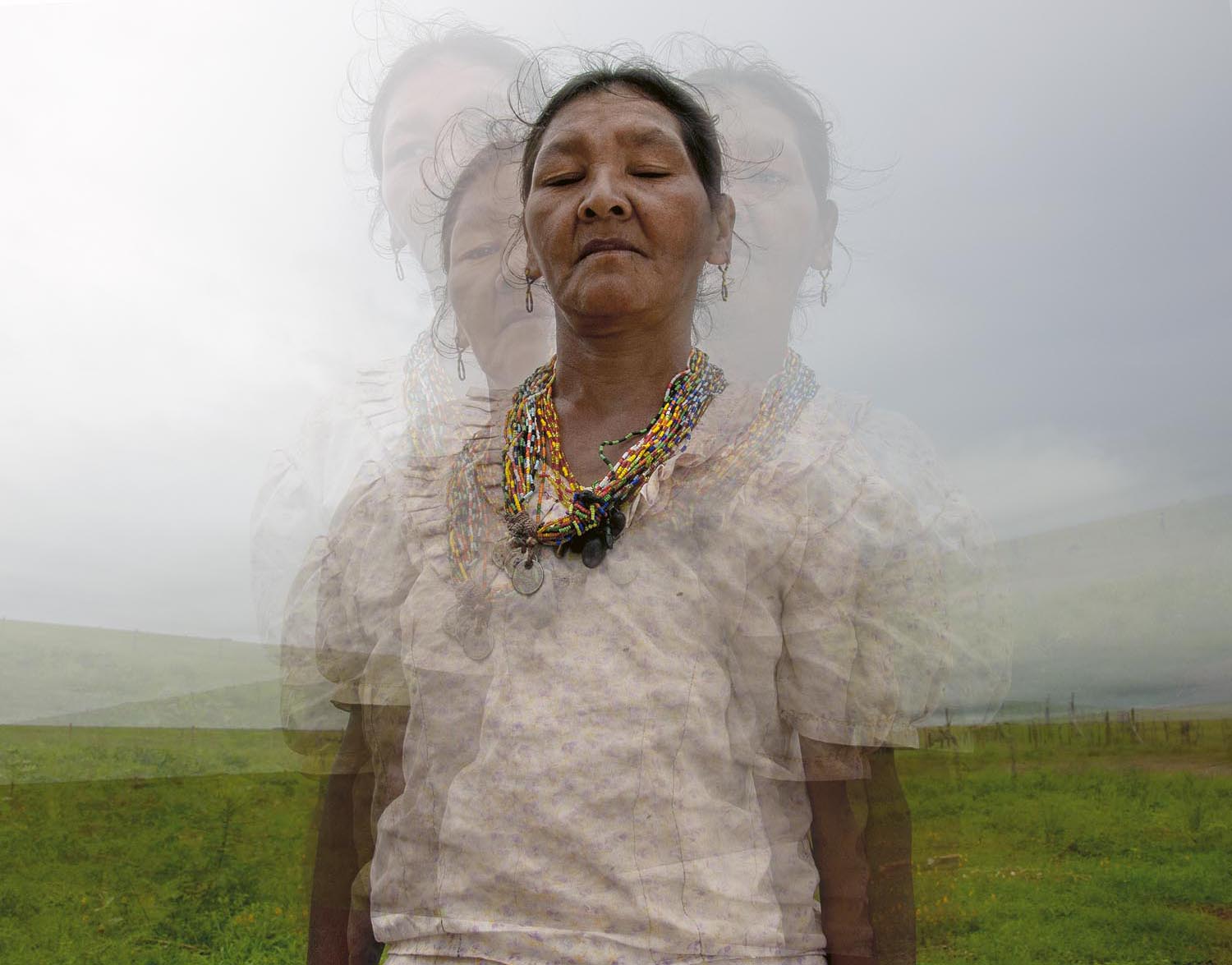
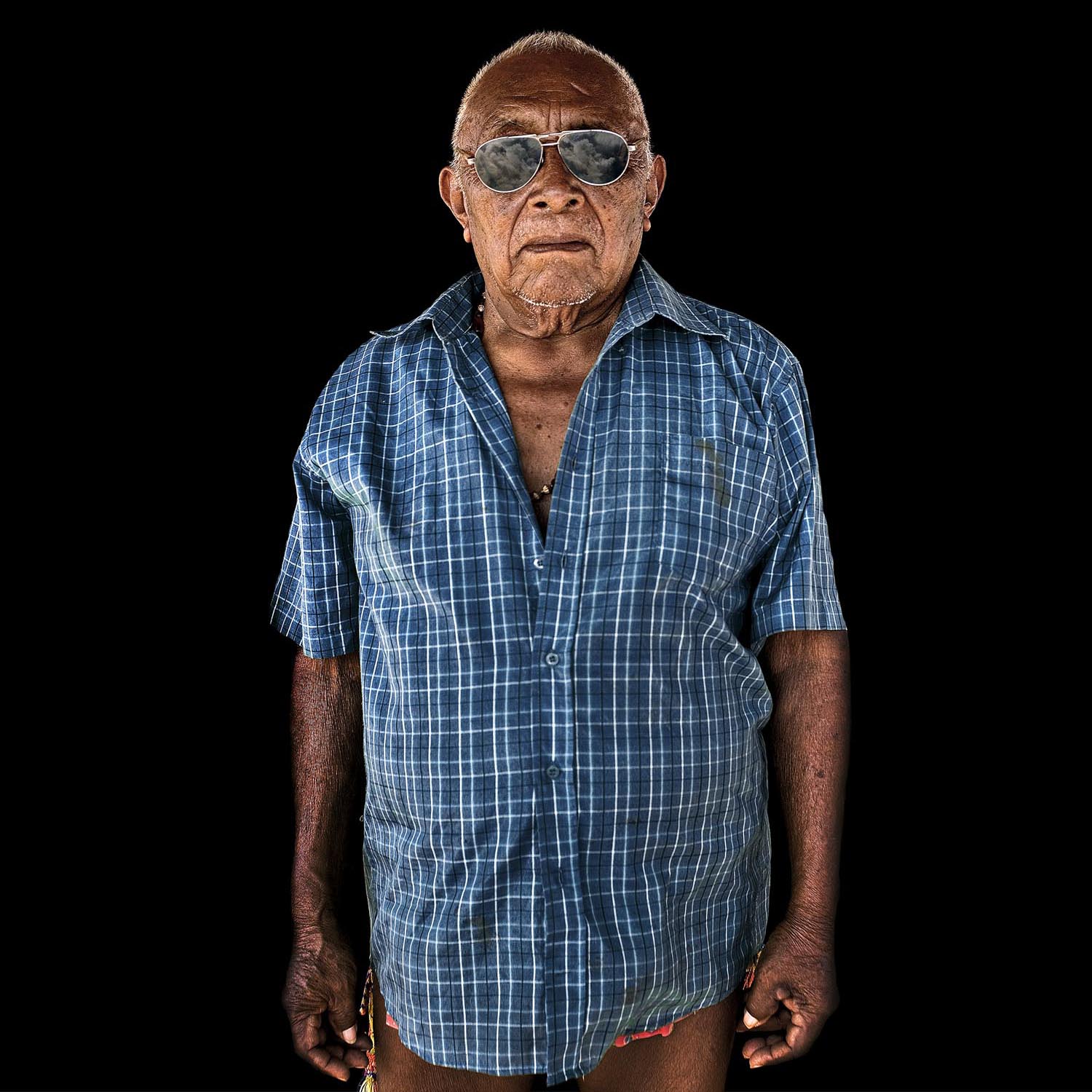
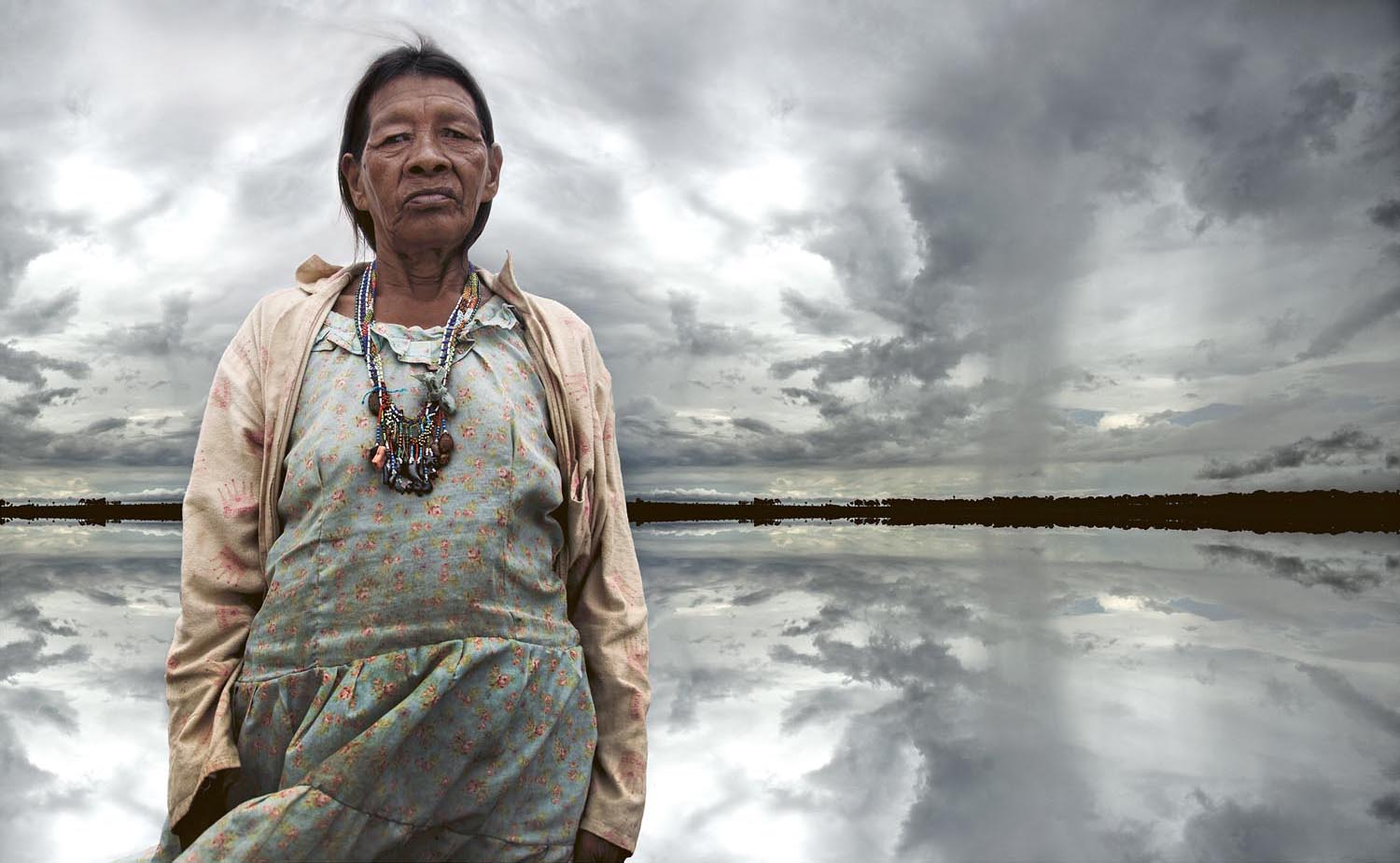
Dioses de América

Antonio Briceño

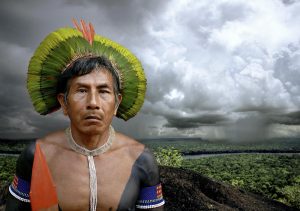
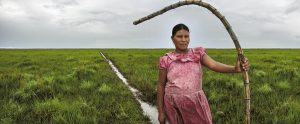
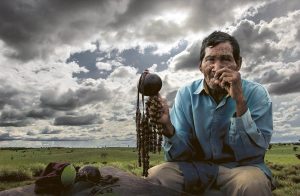
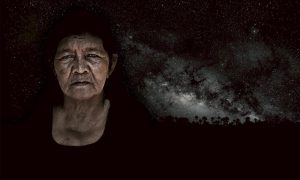
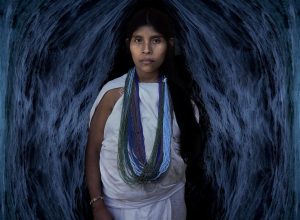
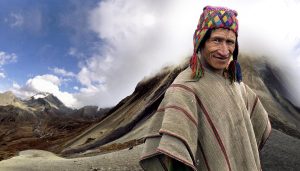
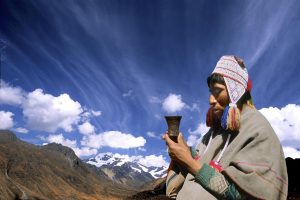
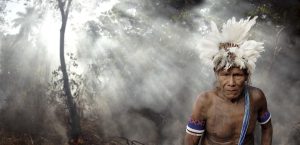
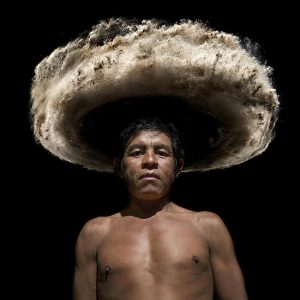
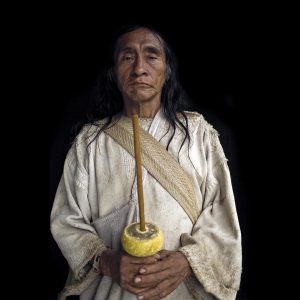
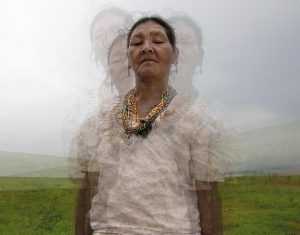
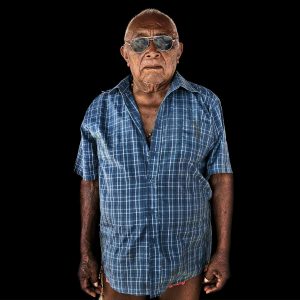
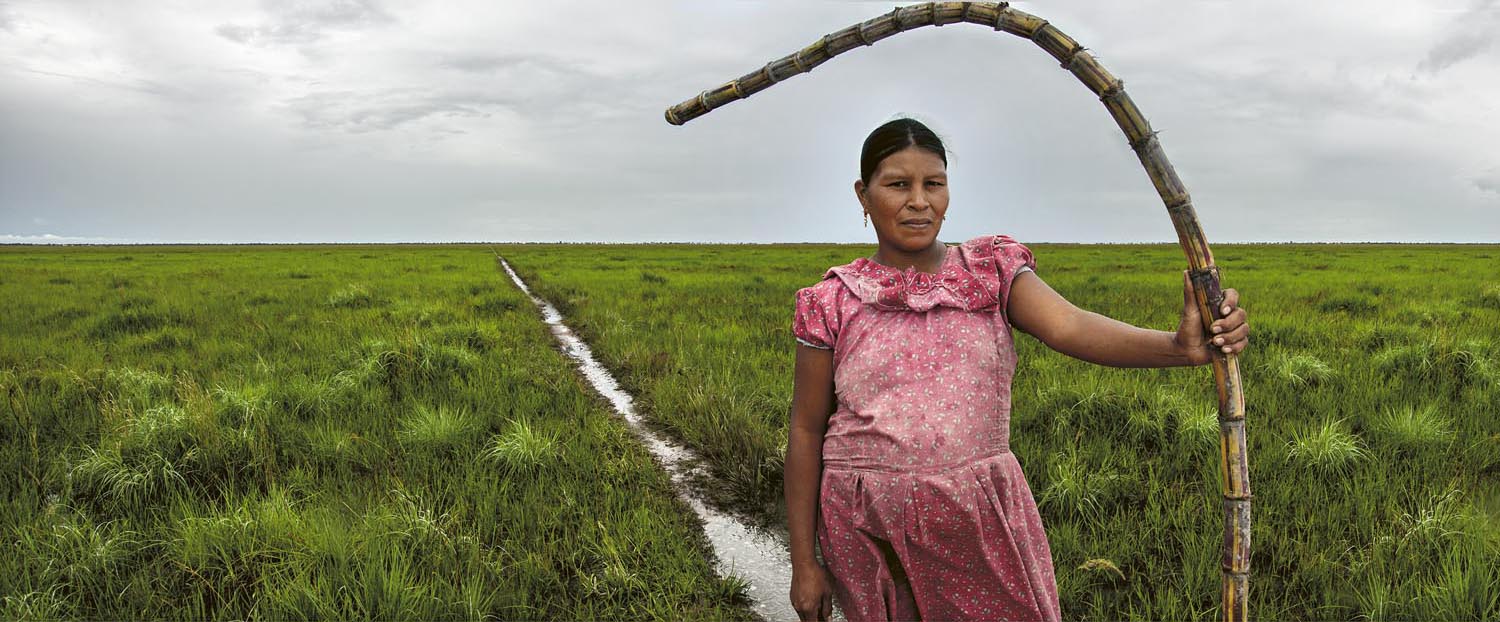
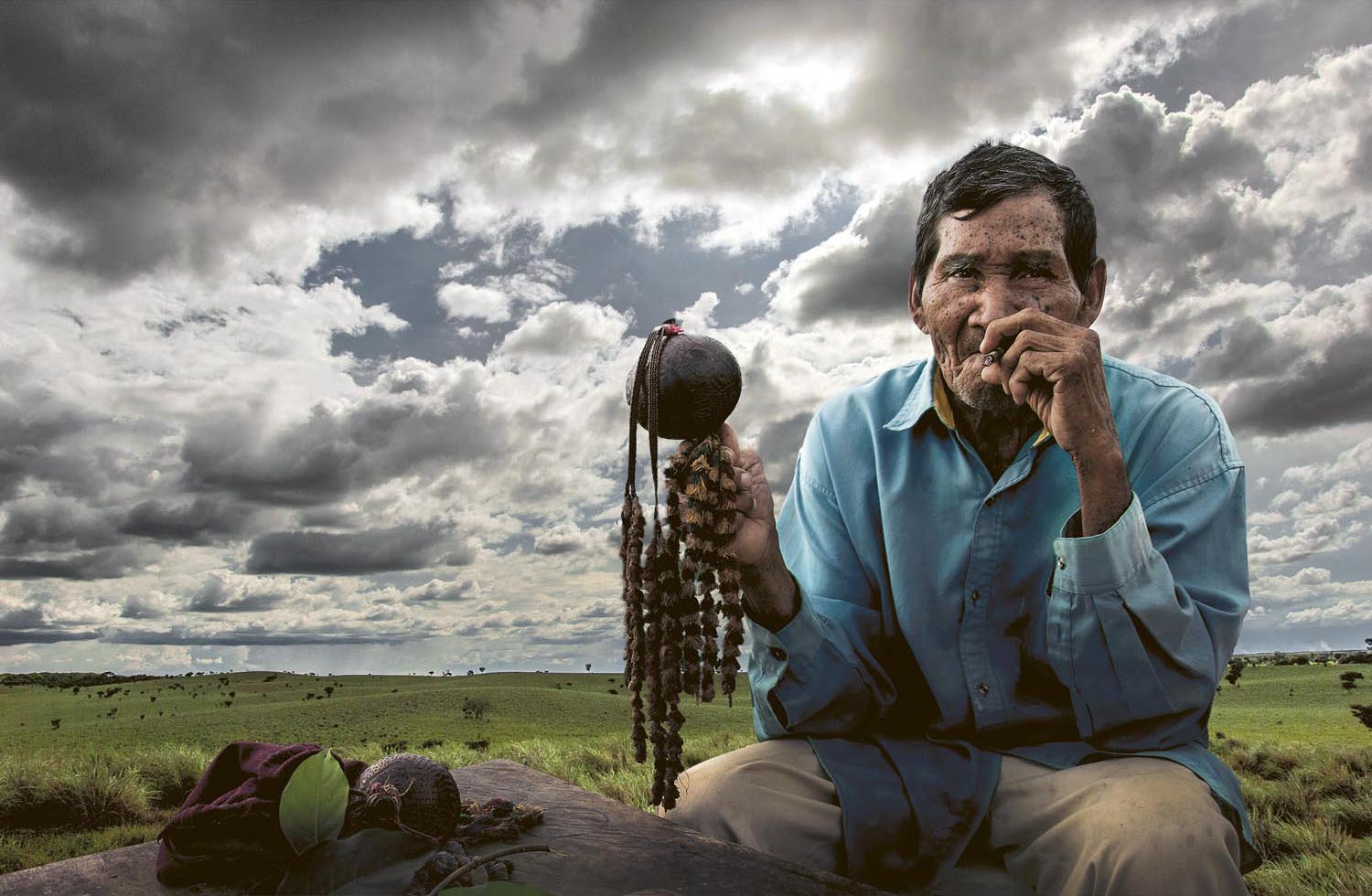
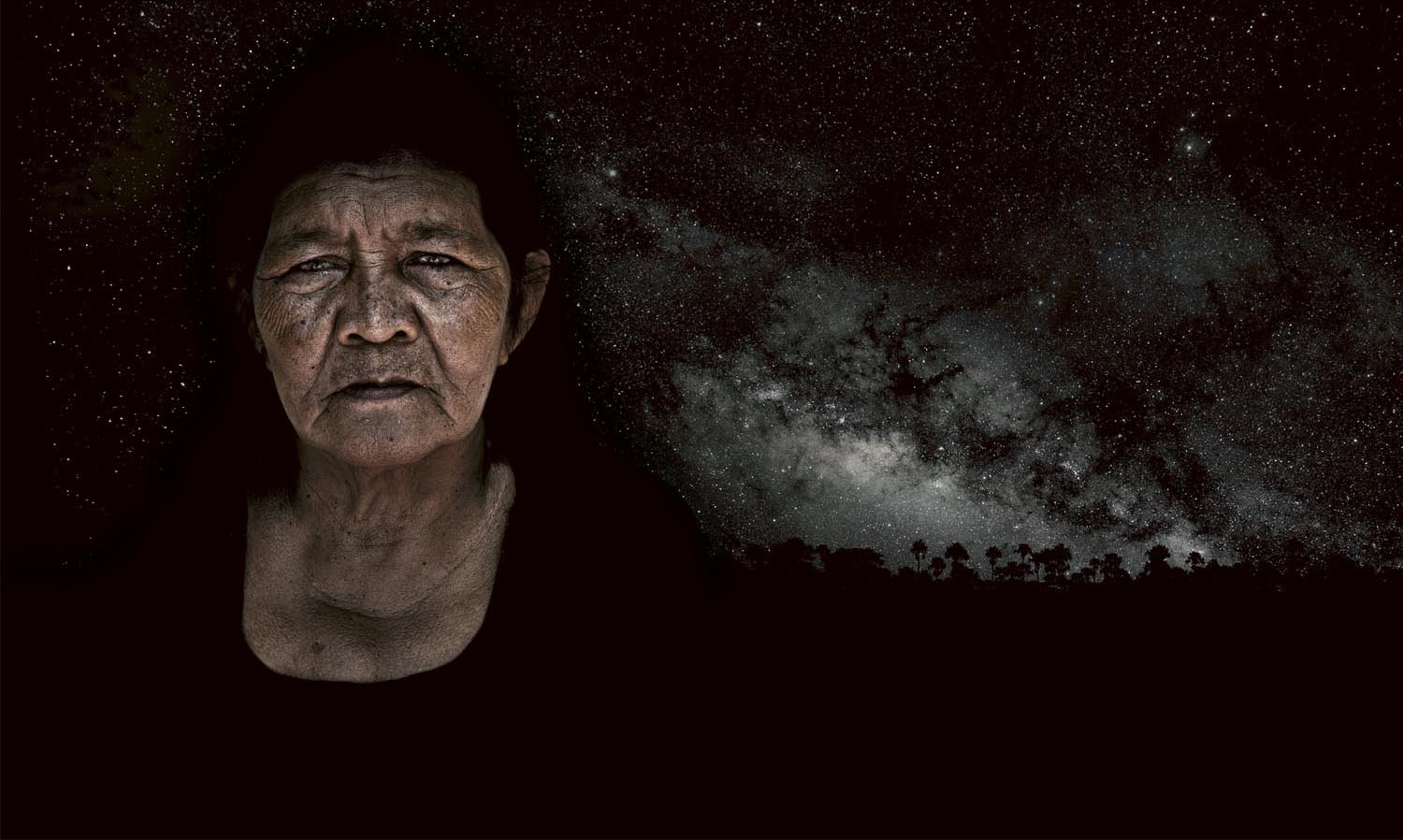
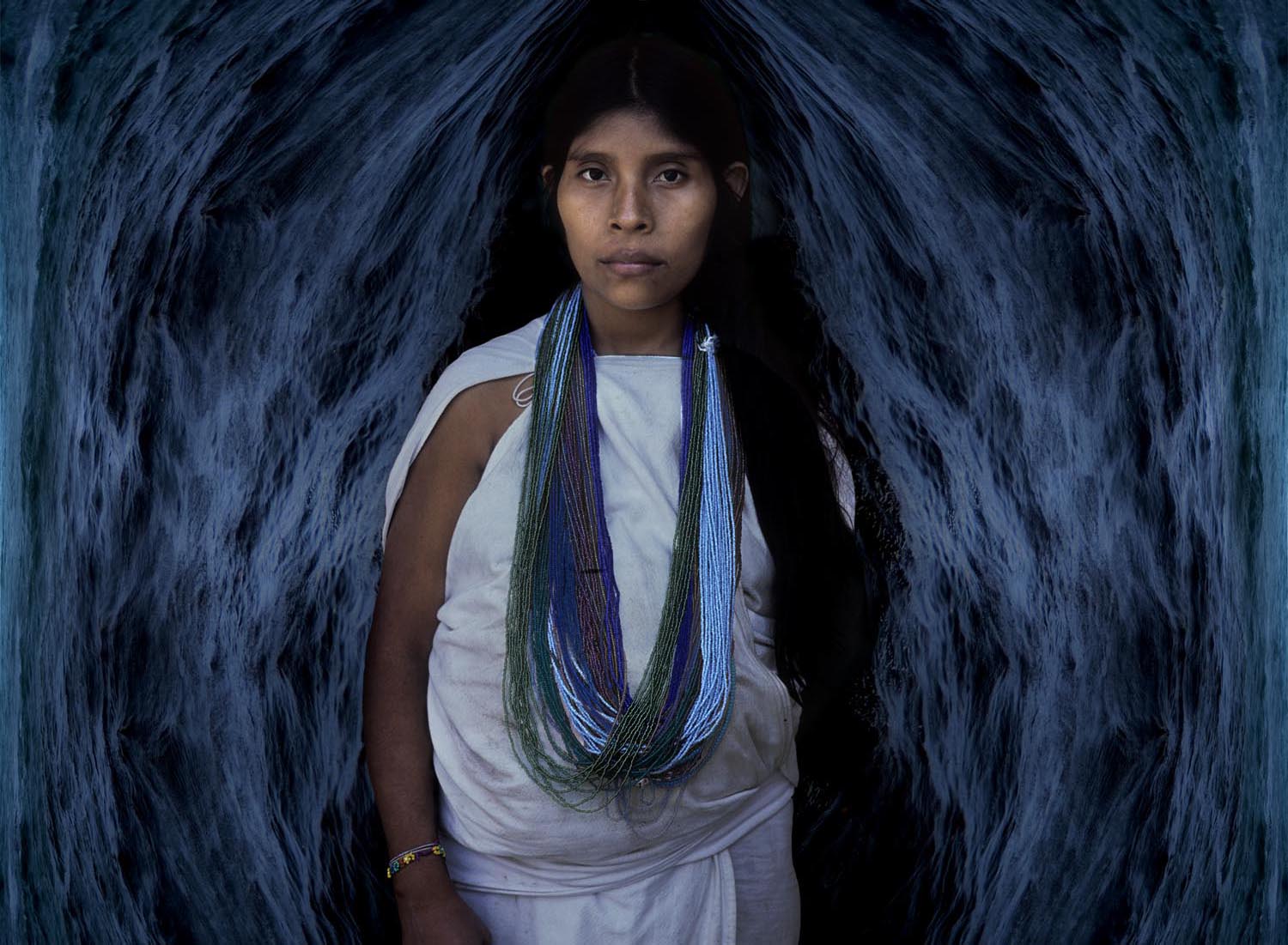
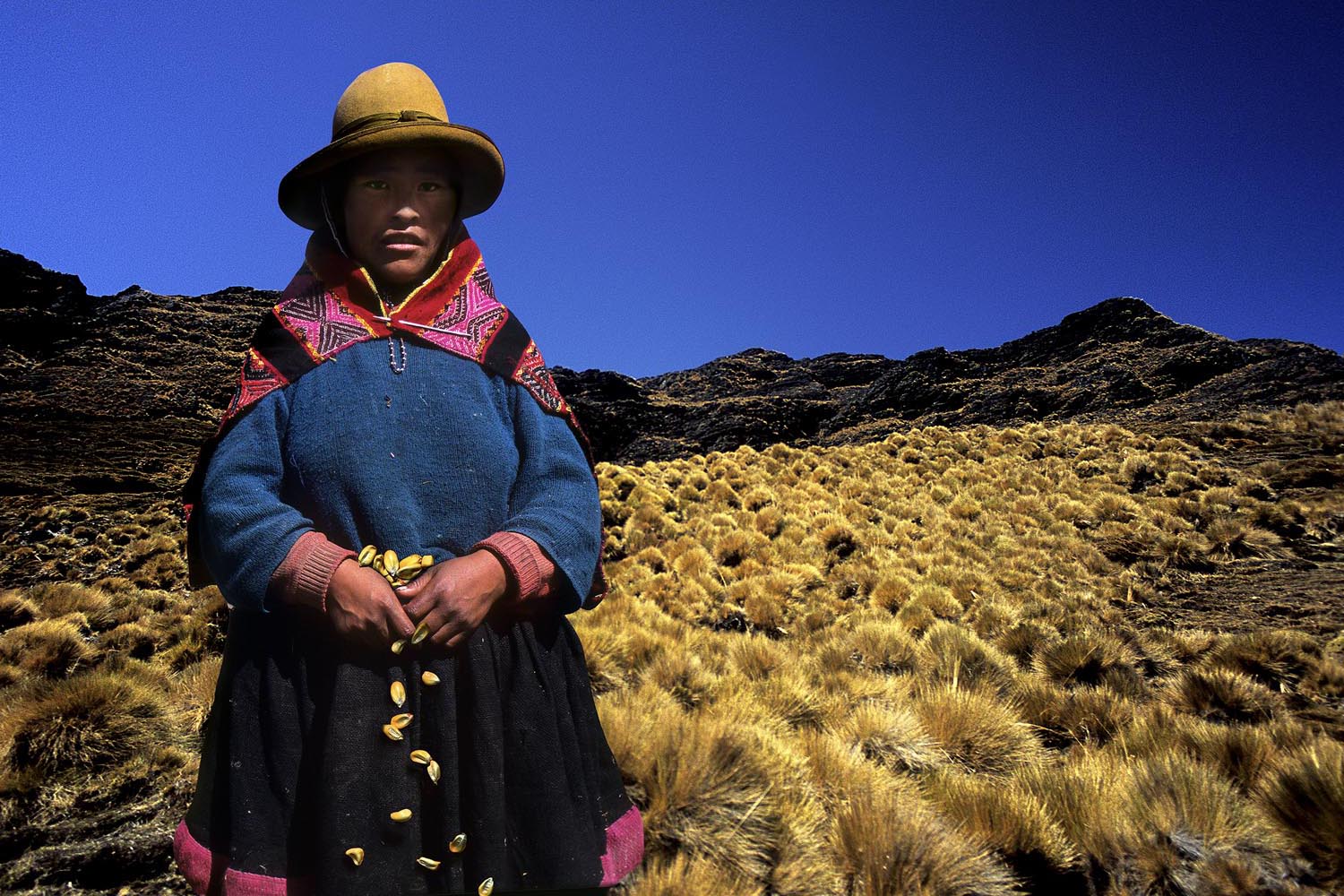
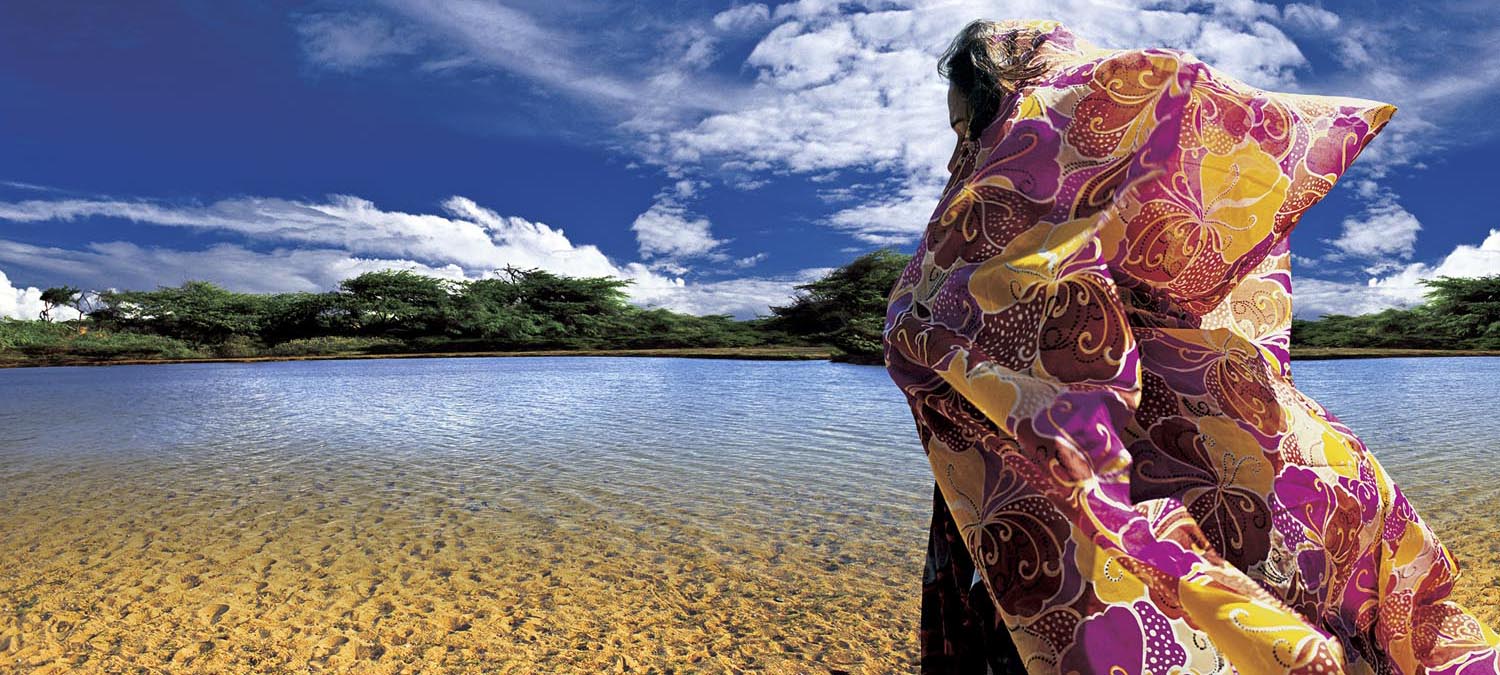
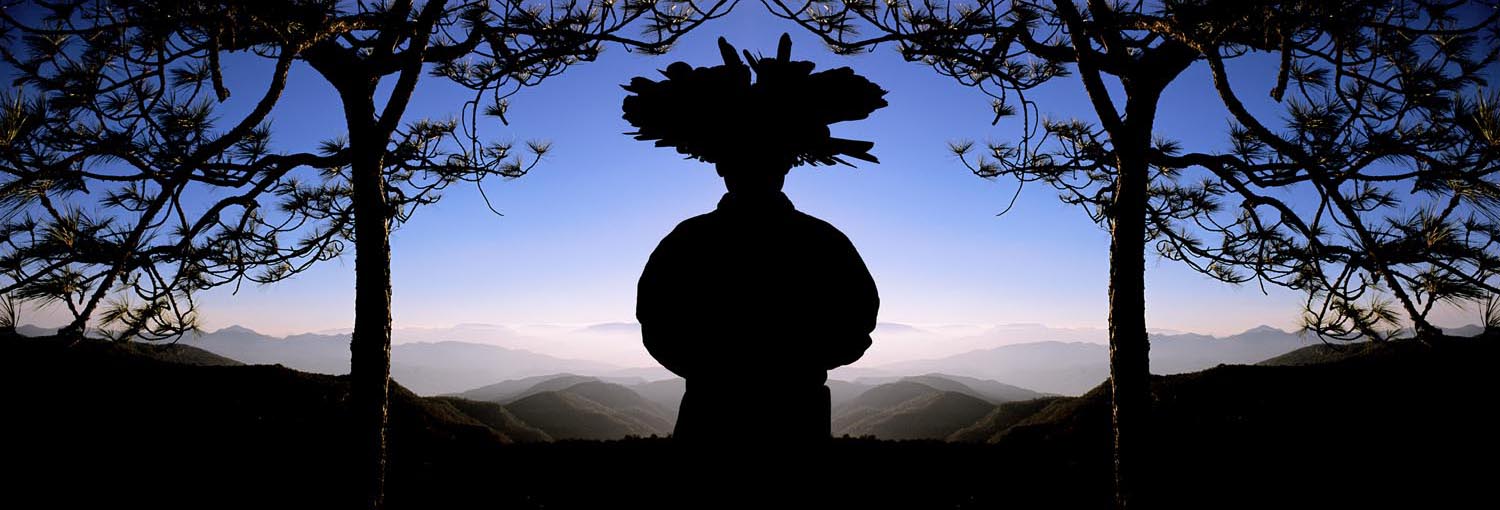
Durante los primeros años de mi carrera como fotógrafo, me enfoqué en la imaginería religiosa de algunas culturas tradicionales, sobre todo desde la perspectiva de la sicología arquetipal. En los últimos veinticinco años he trabajado con más de treinta y cinco culturas originarias de los cinco continentes (incluyendo los Sàmi del norte de Europa y los Maorí, de Nueva Zelanda)

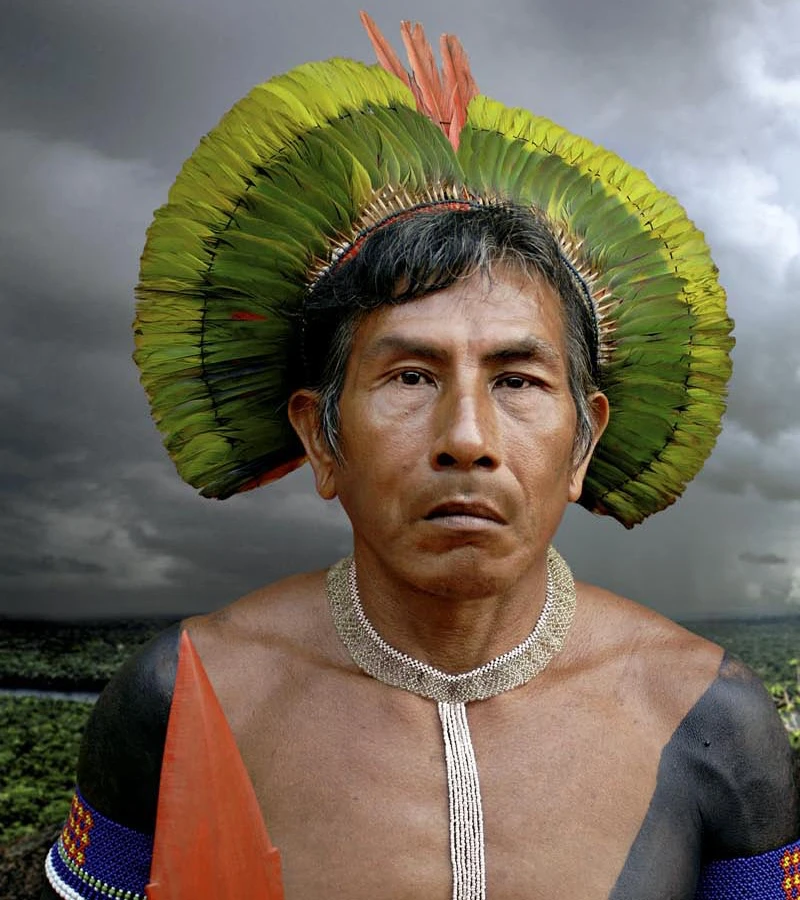
In the year 2000, I found out by chance that my paternal great-grandmother had been indigenous, belonging to a group that completely disappeared, either through direct extermination or through intermarriage. An urgency arose in me to investigate her beliefs, mythology, and cosmogony. But there was no trace left. For this reason, I set myself a life project: to research the mythologies of surviving Native American groups and propose an iconography for their gods before they disappear completely. These groups are in remote areas, generally quite isolated, and for the development of the project I have had the support of shamans, teachers and sages from the communities where I have been.

So, from 2001 to the present, I have included eleven indigenous cultures from six countries, and I have created more than eighty images based on the myths, legends, and beliefs of these groups. All the images have been subsequently sent to the communities where I worked, for their schools or communal sites. And each person portrayed has received the image that I made with them.

The research has involved investigating the mythologies of the groups I am going to work with, based on texts written by anthropologists. Then, in the communities, my allies have been the wise and teachers, who have described and advised me on how to make each icon: they indicate which people from the community would be most suitable to represent each deity and which attributes or elements would be most appropriate to integrate into the image. Thus, fieldwork consists of creating portraits that I later digitally assemble in my workshop.

In a period of less than twenty years, I have seen communities disappear under the waters of a large dam (A´ukre, Kayapó community in Brazil), be threatened by mining and tourism (Quero communities in Peru), by drug trafficking (Huichol, Mexico), or evangelization (Piaroa and Pemón, Venezuela). The Gods of America are leaving forever at a faster pace than I initially believed, and with them, an essential part of humanity – all of us – will inevitably sink into oblivion or, worse still, into ignorance. My work is against the clock and the road ahead is still long.
John Sanderson

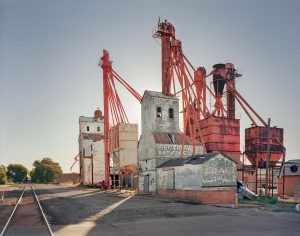
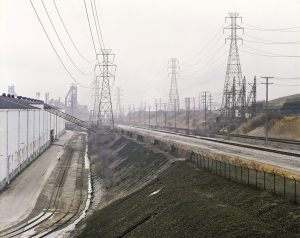
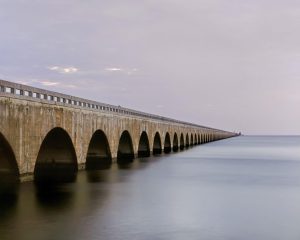
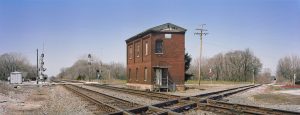
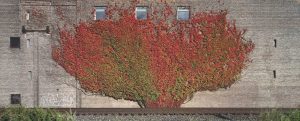
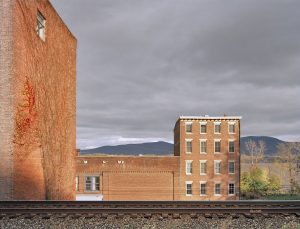
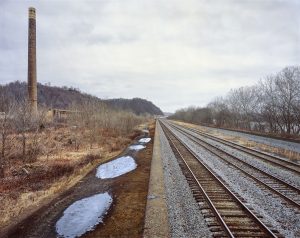
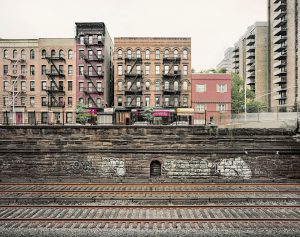
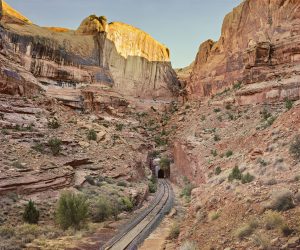
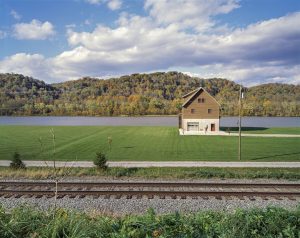
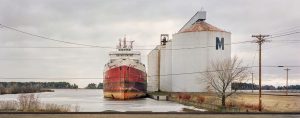
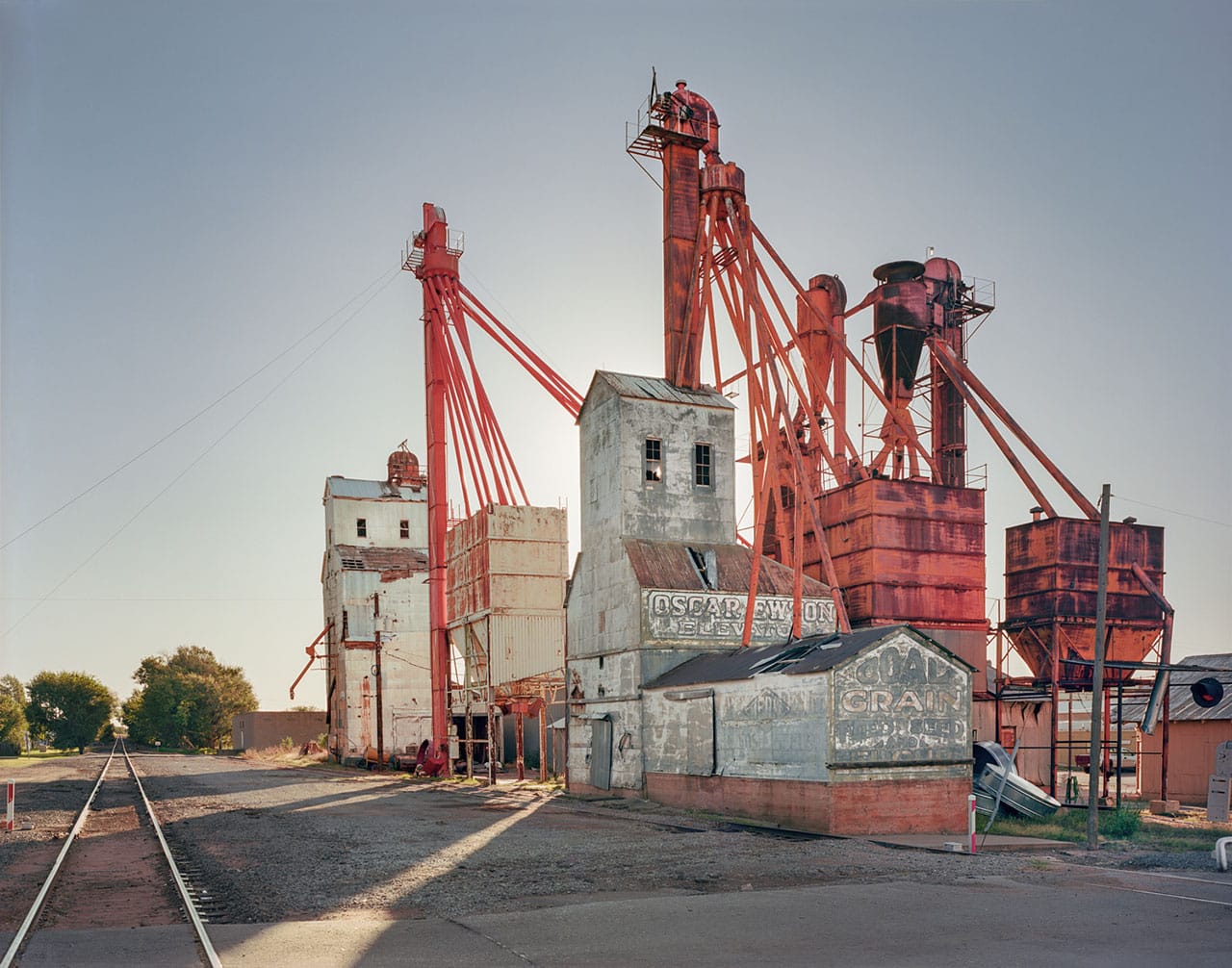
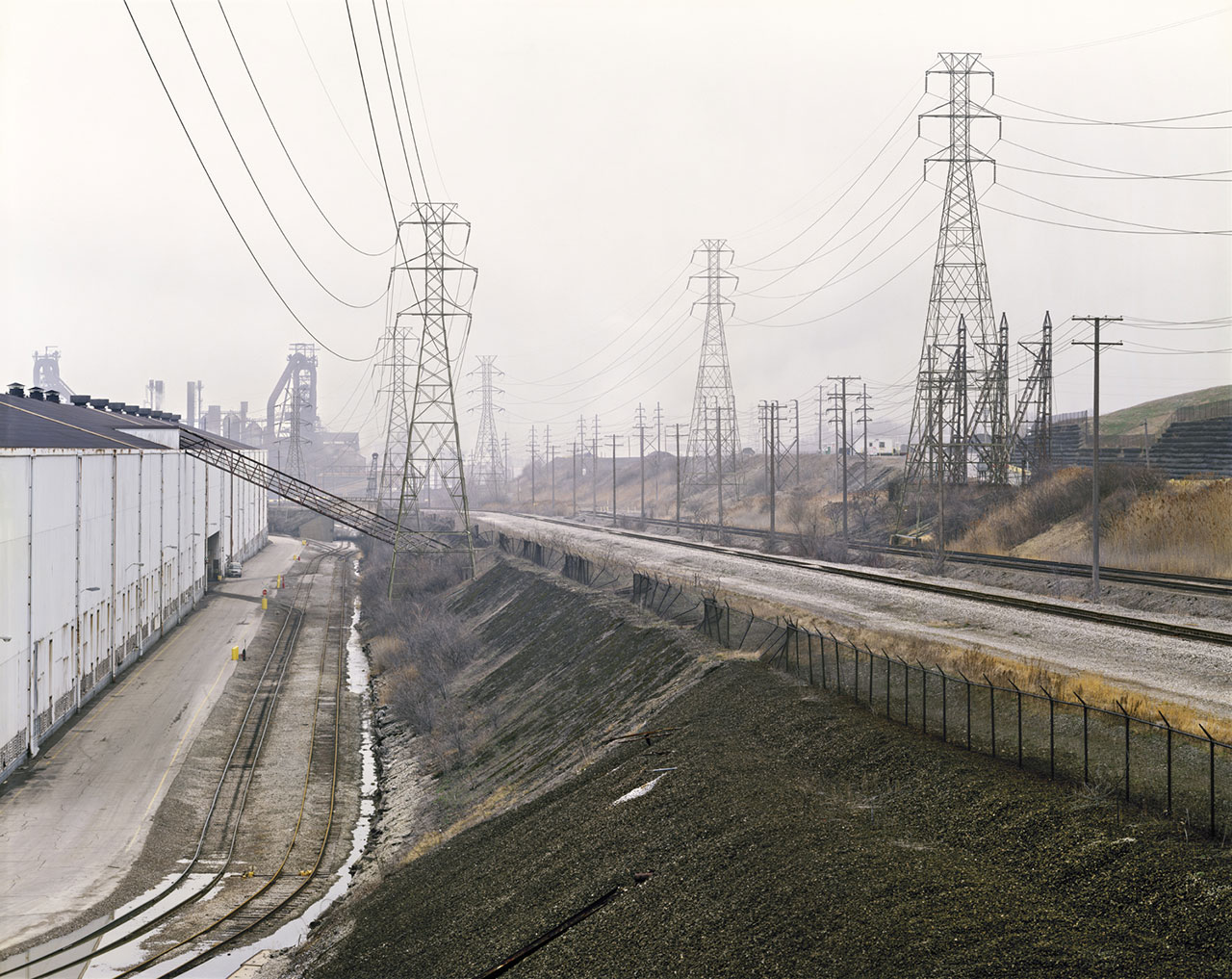
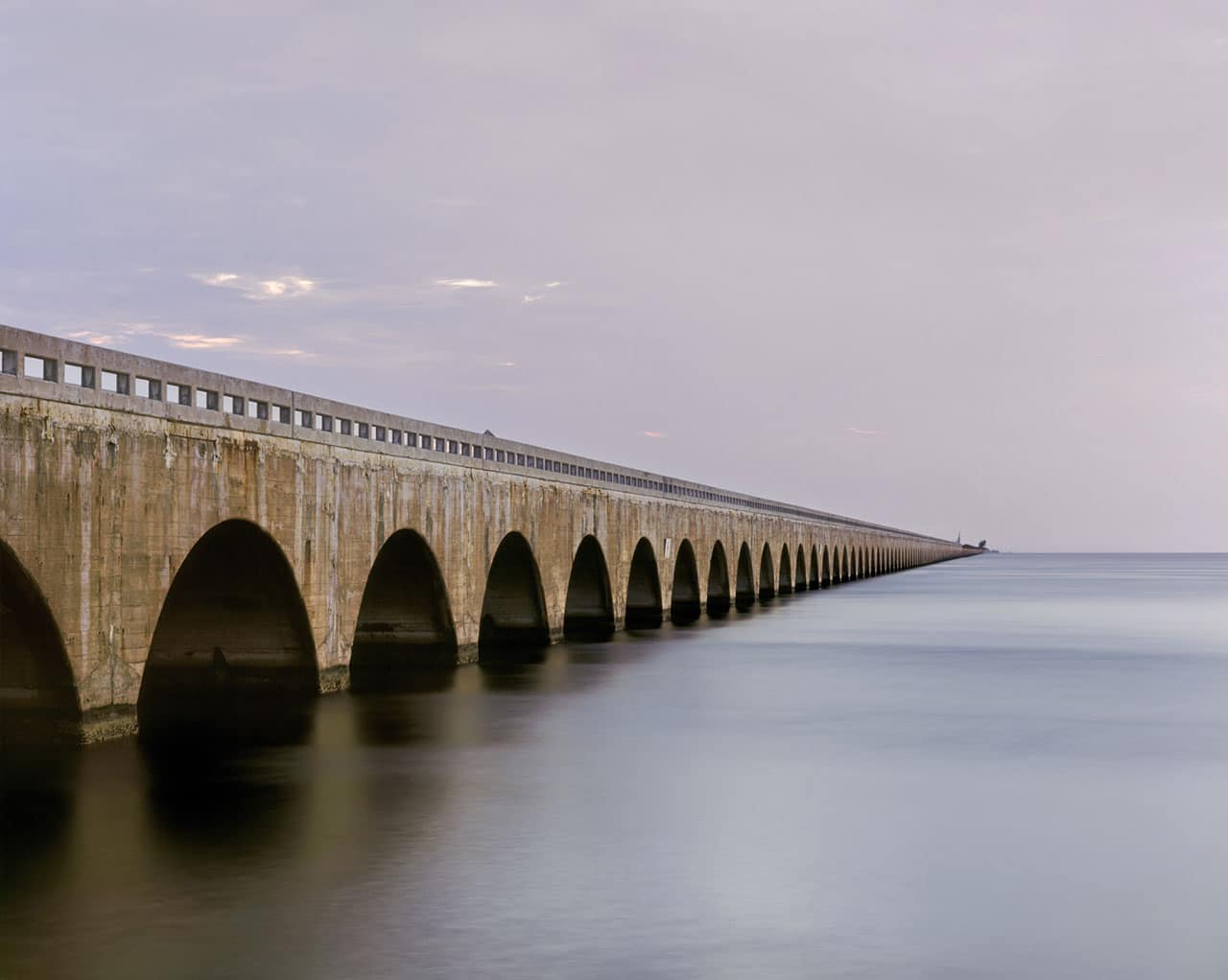
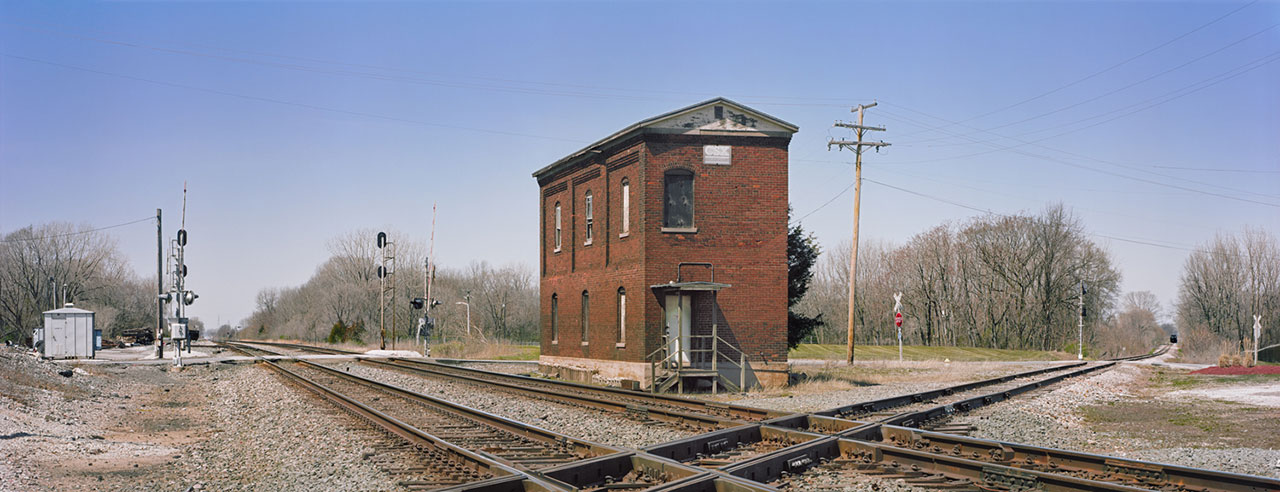
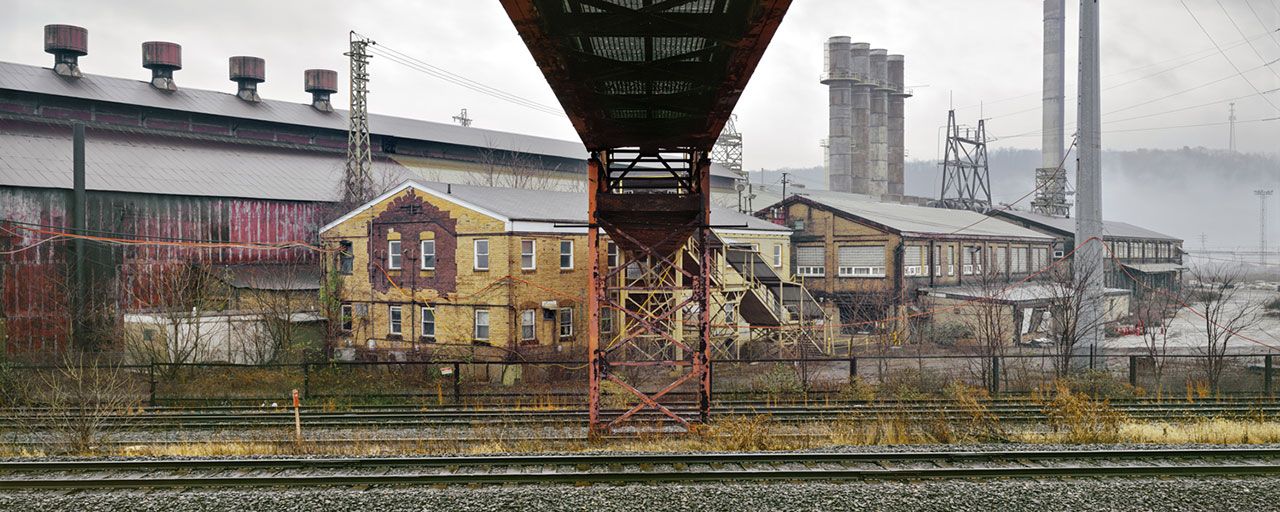
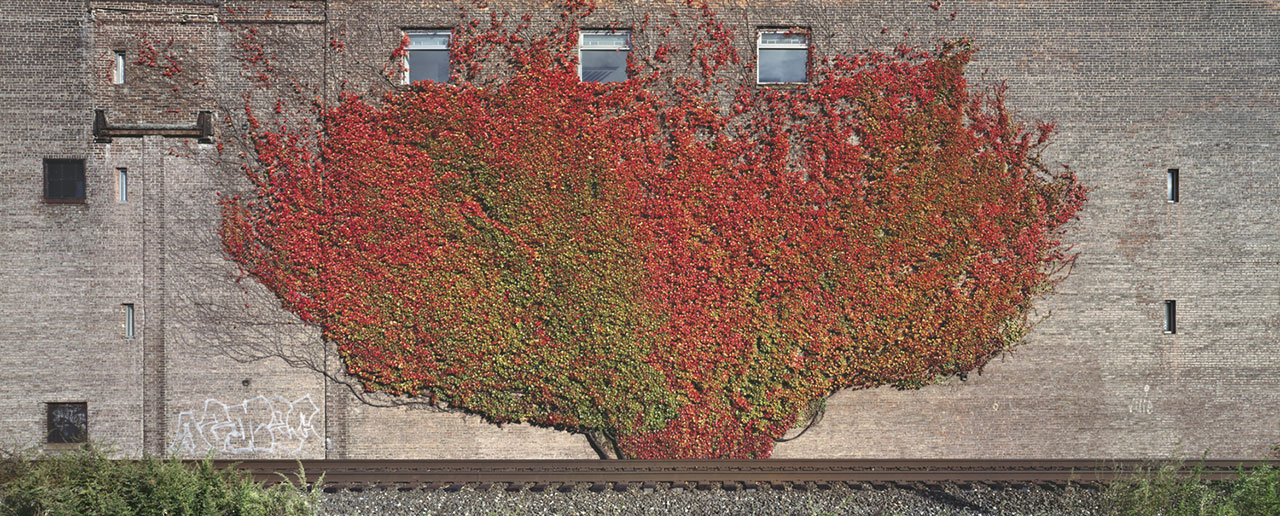
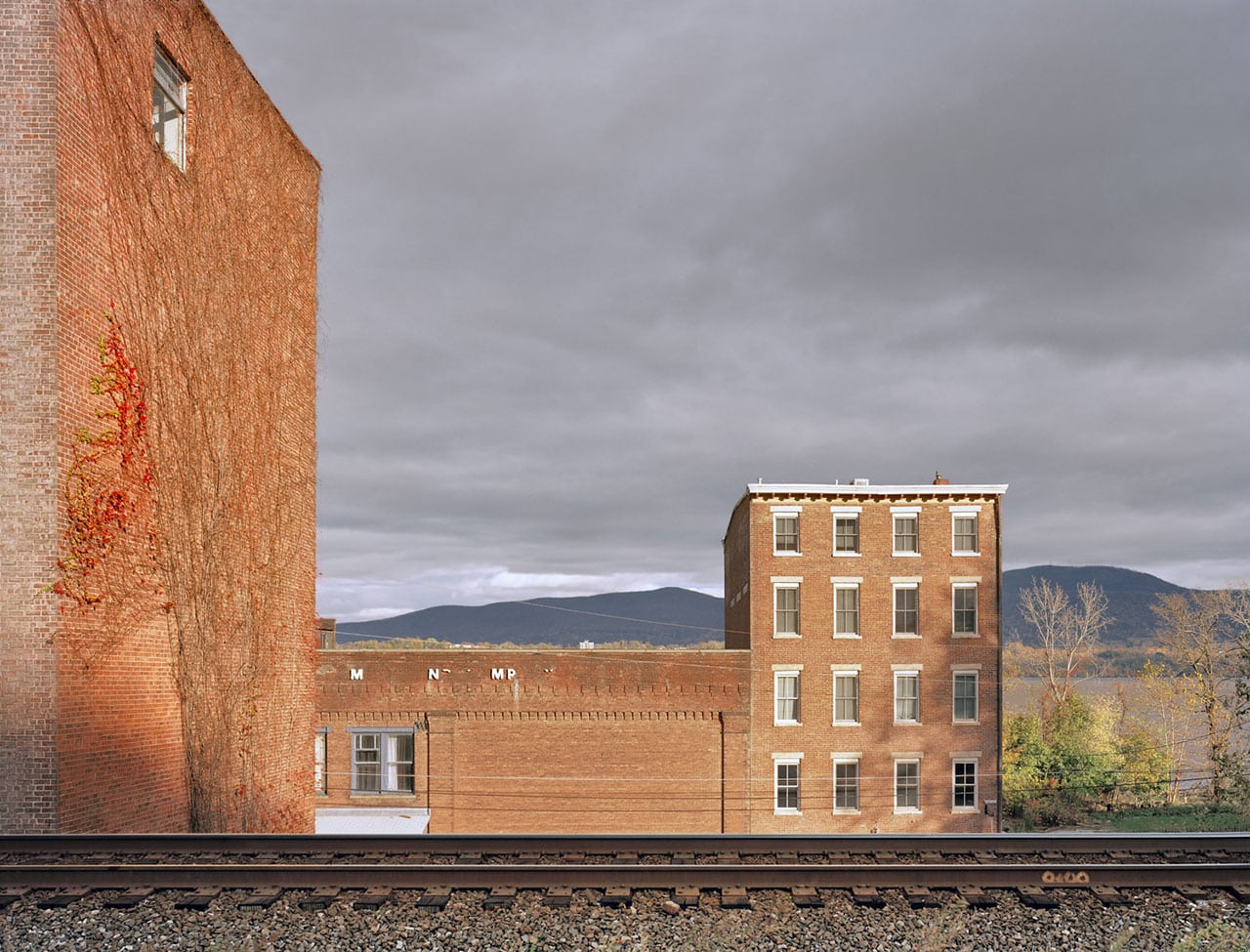
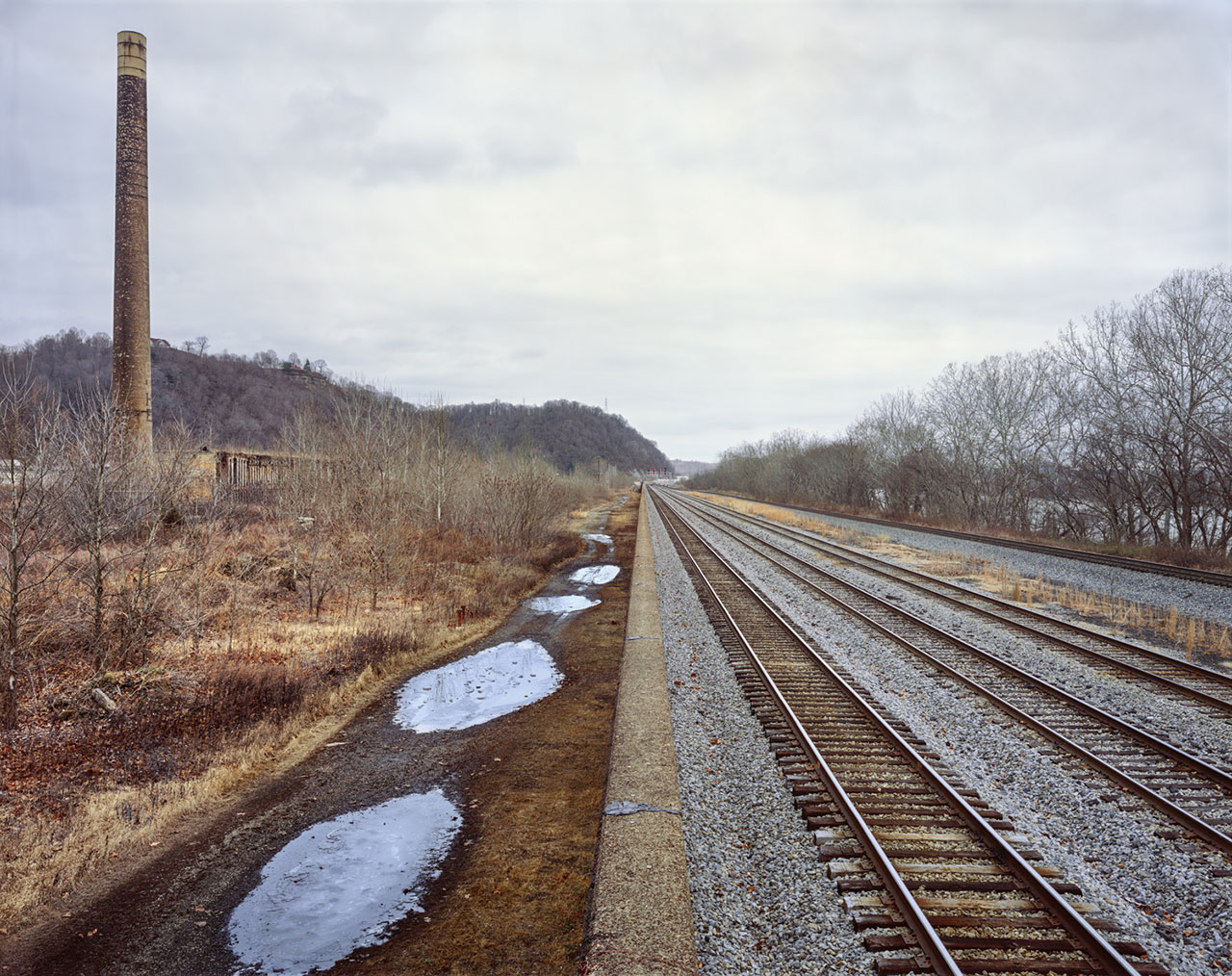
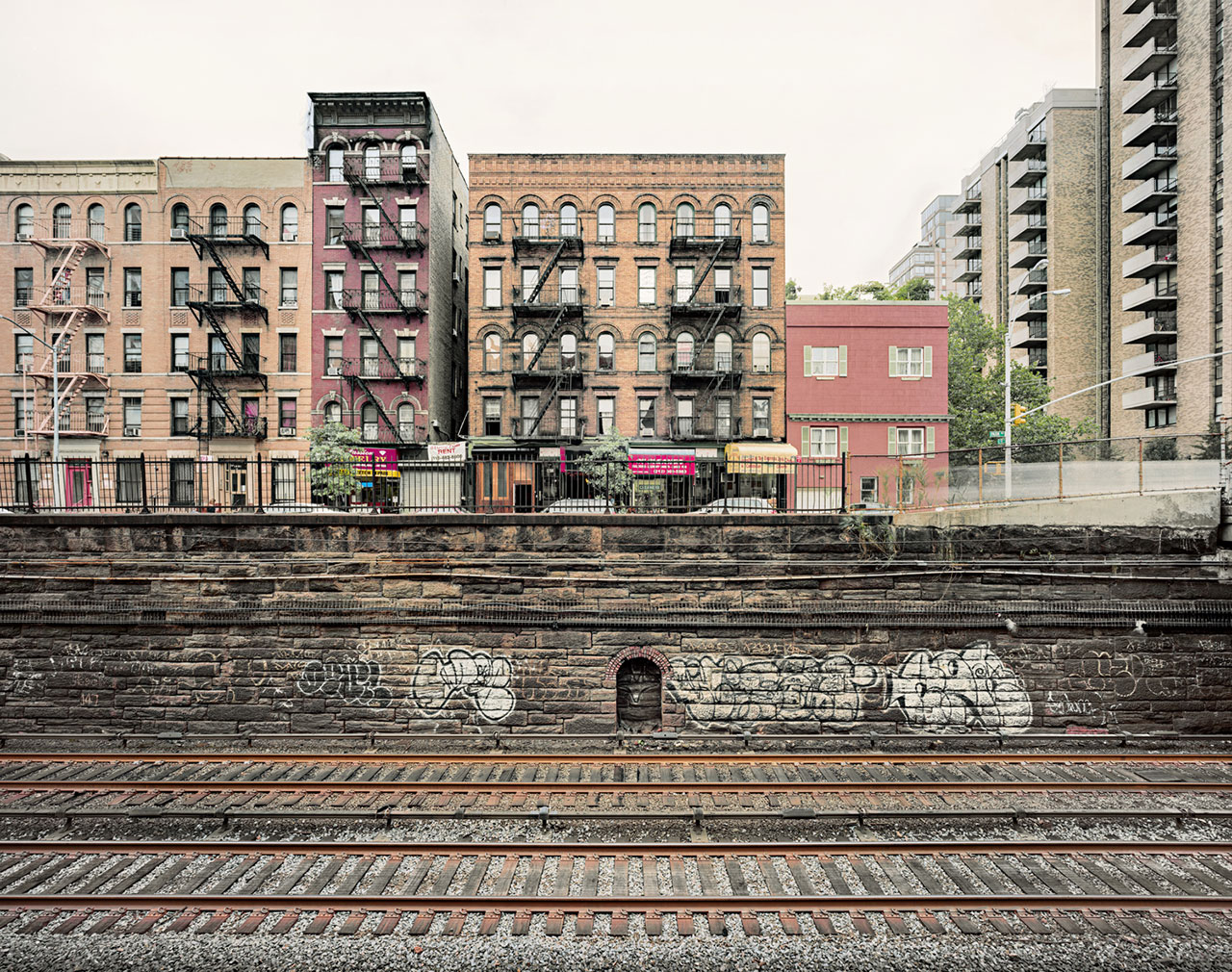
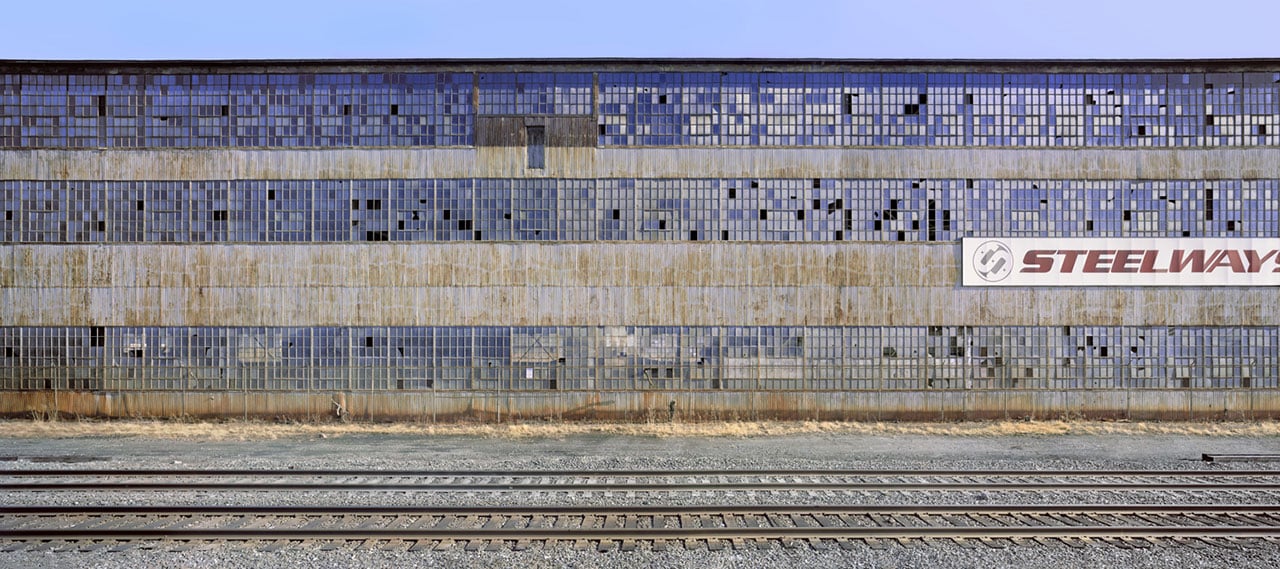
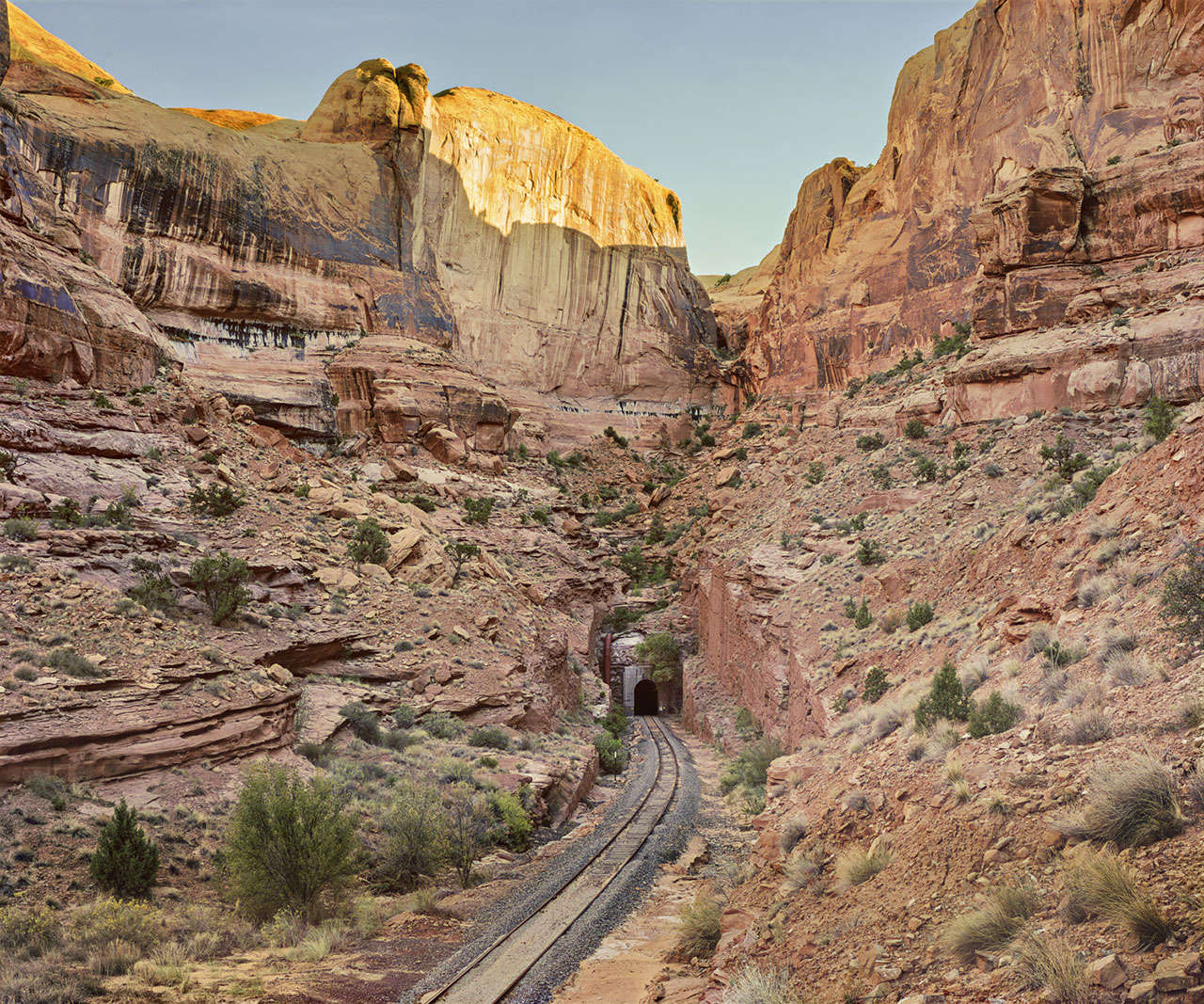
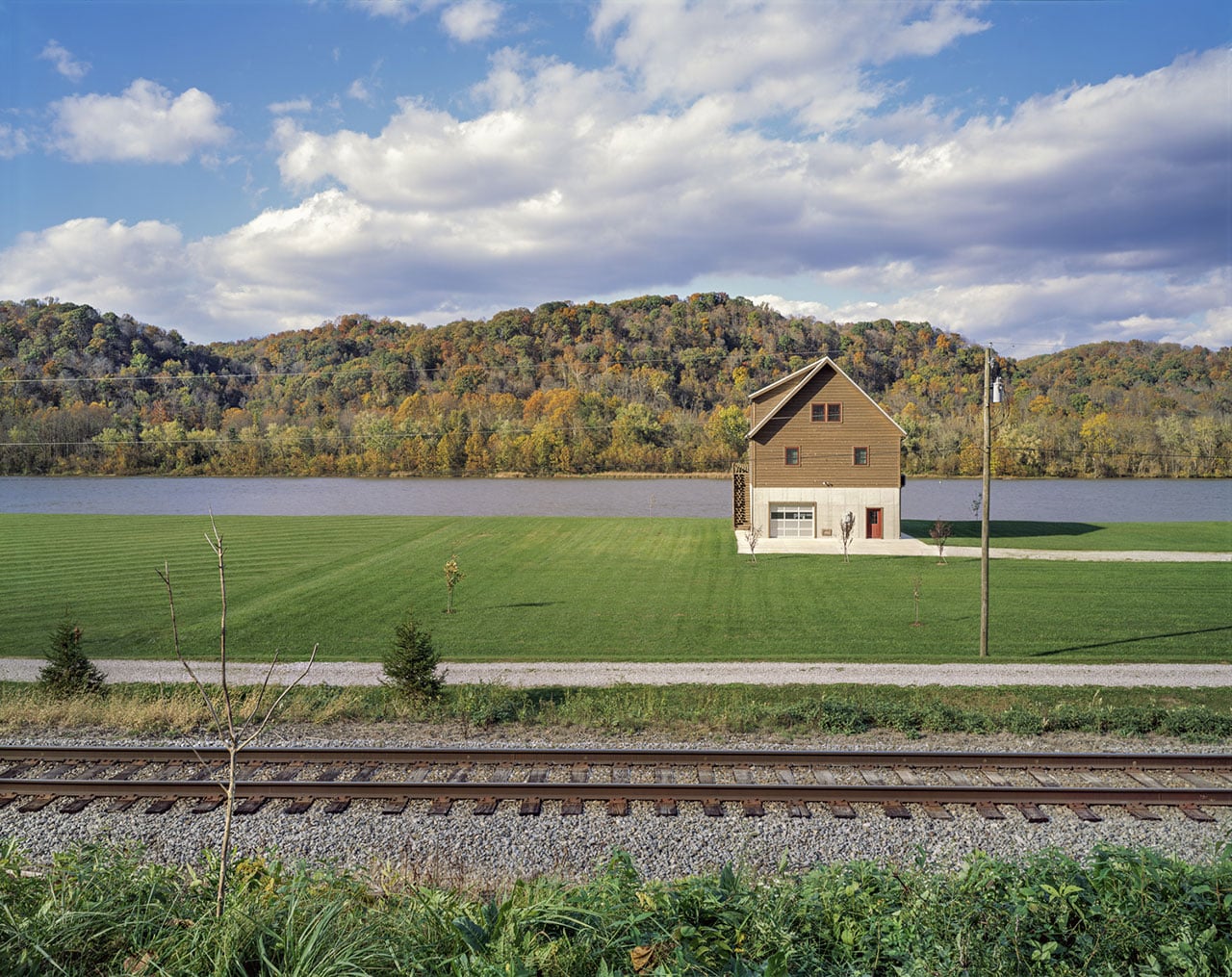
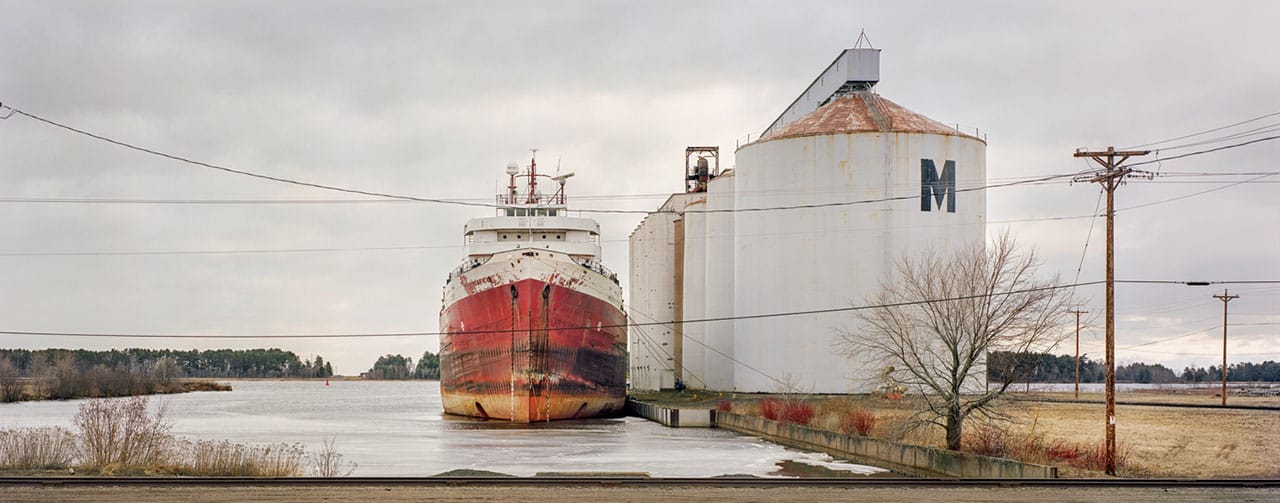
John Sanderson – Railroad Landscapes

John Sanderson

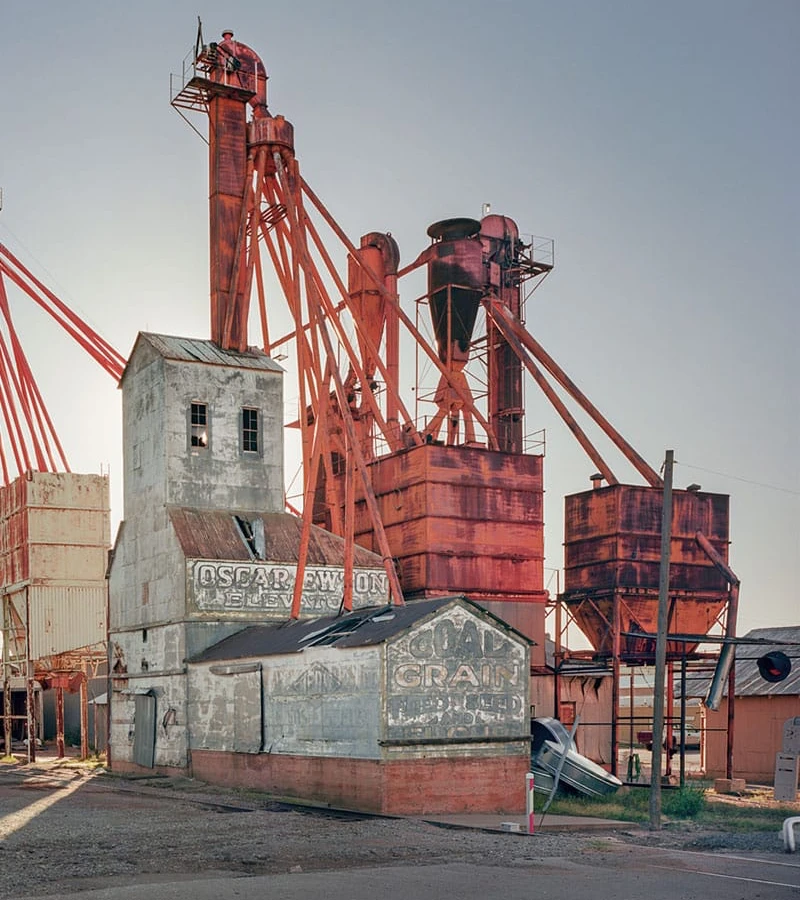
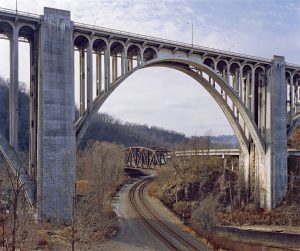
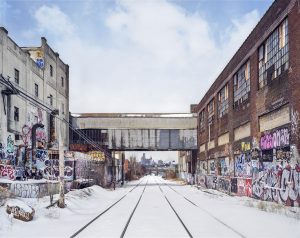
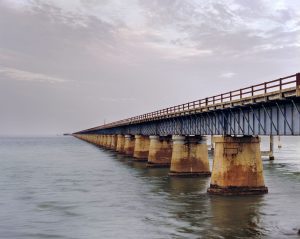
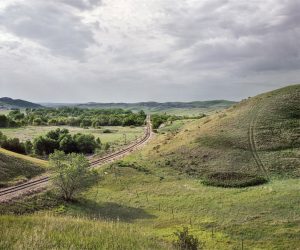
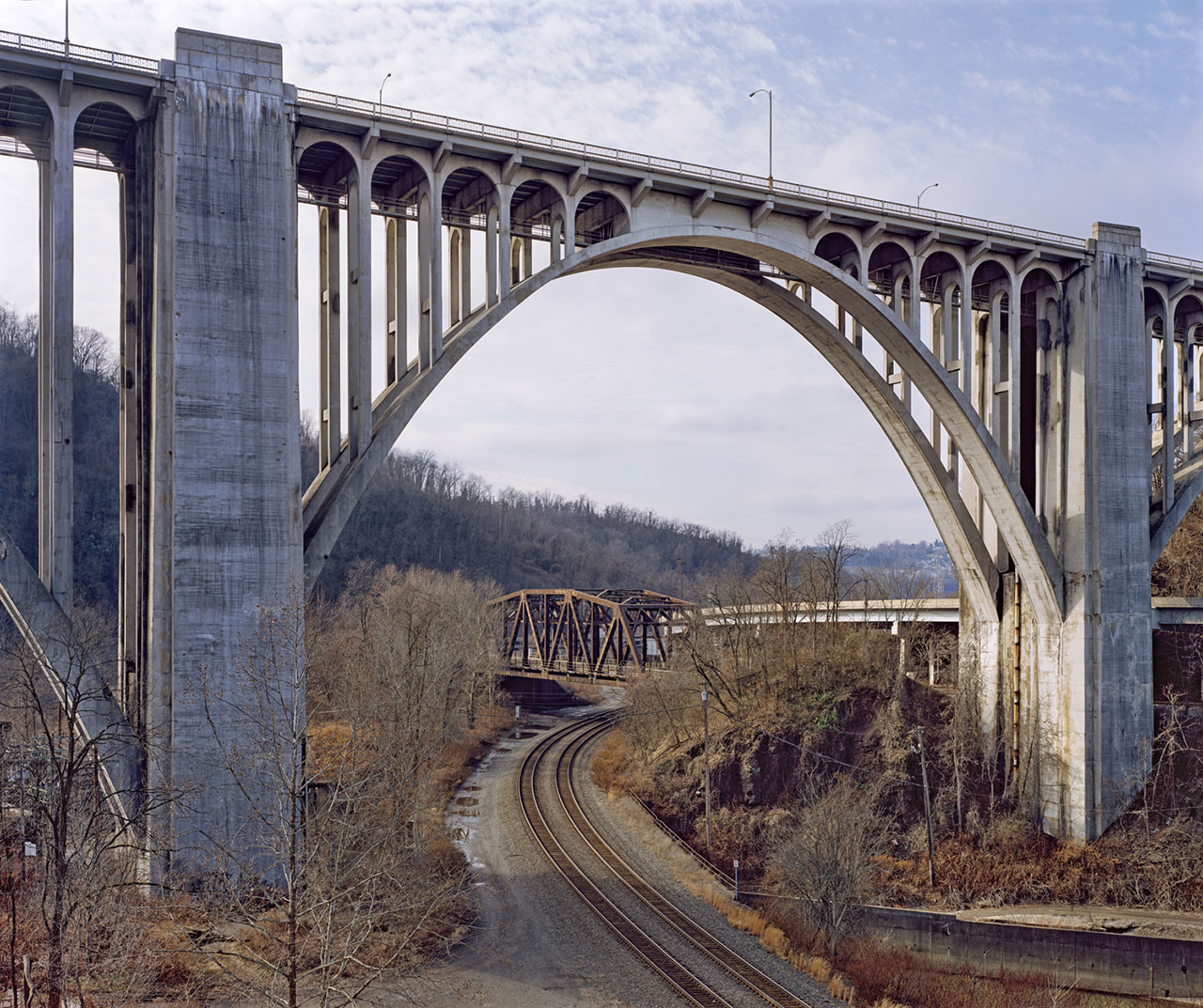
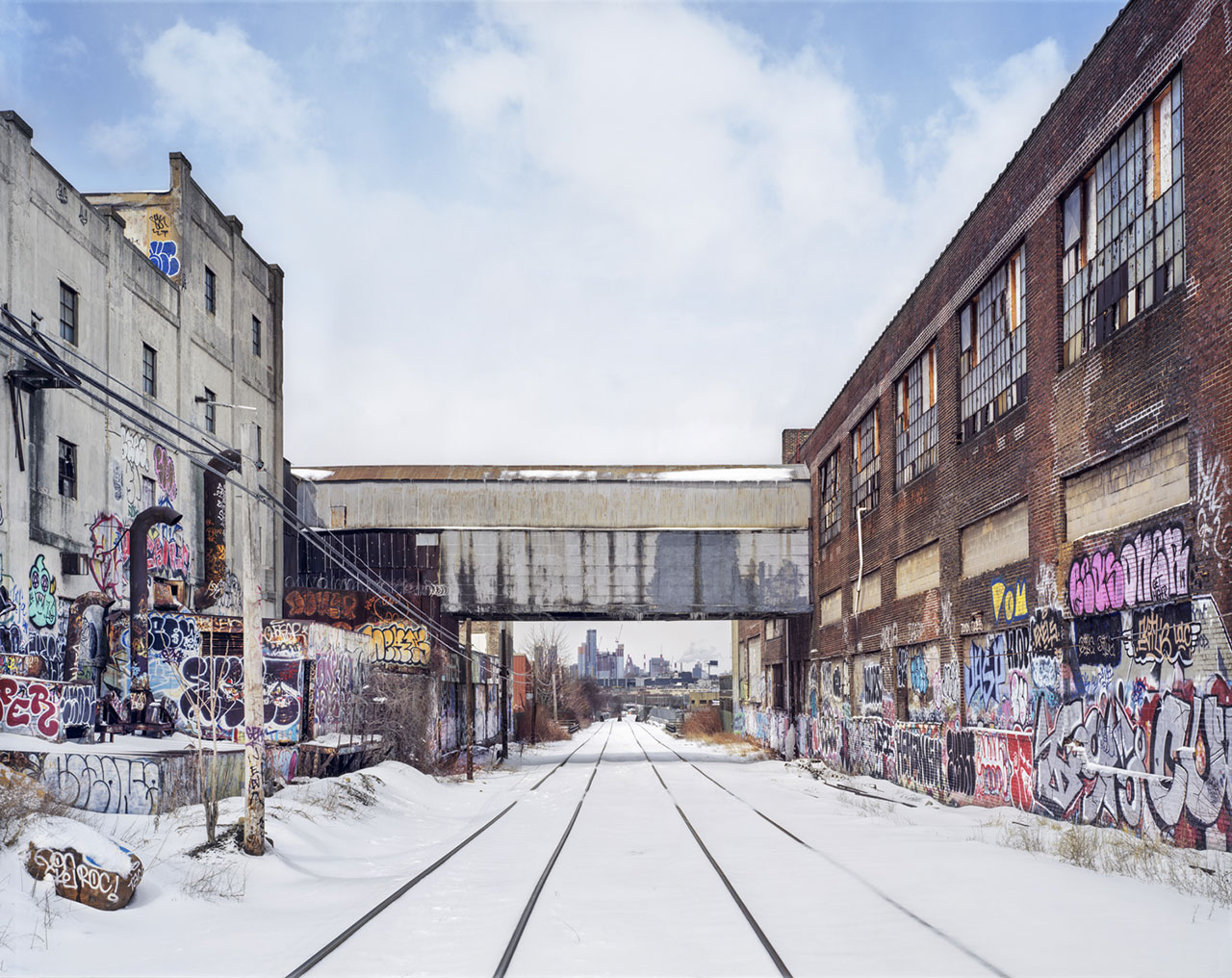
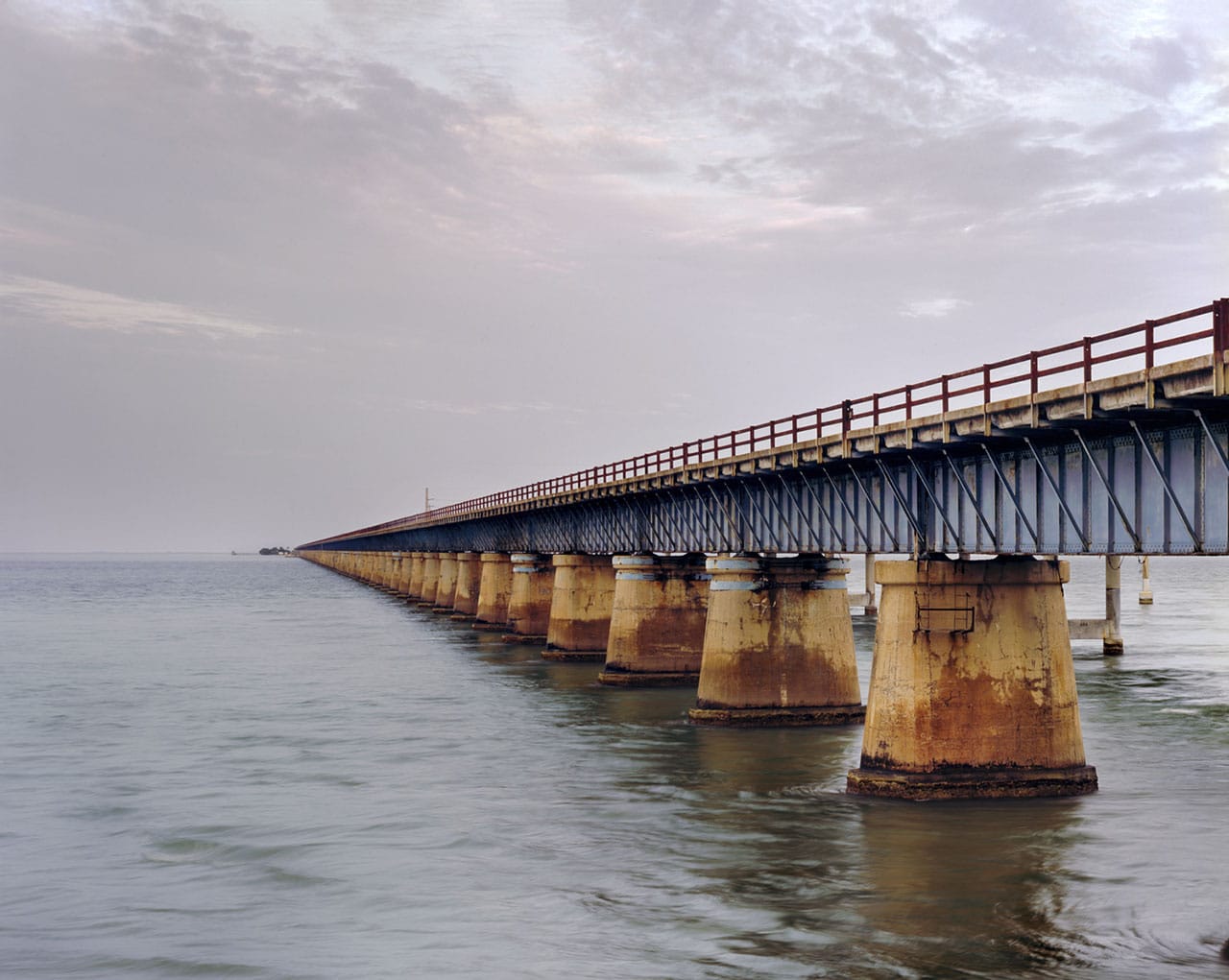
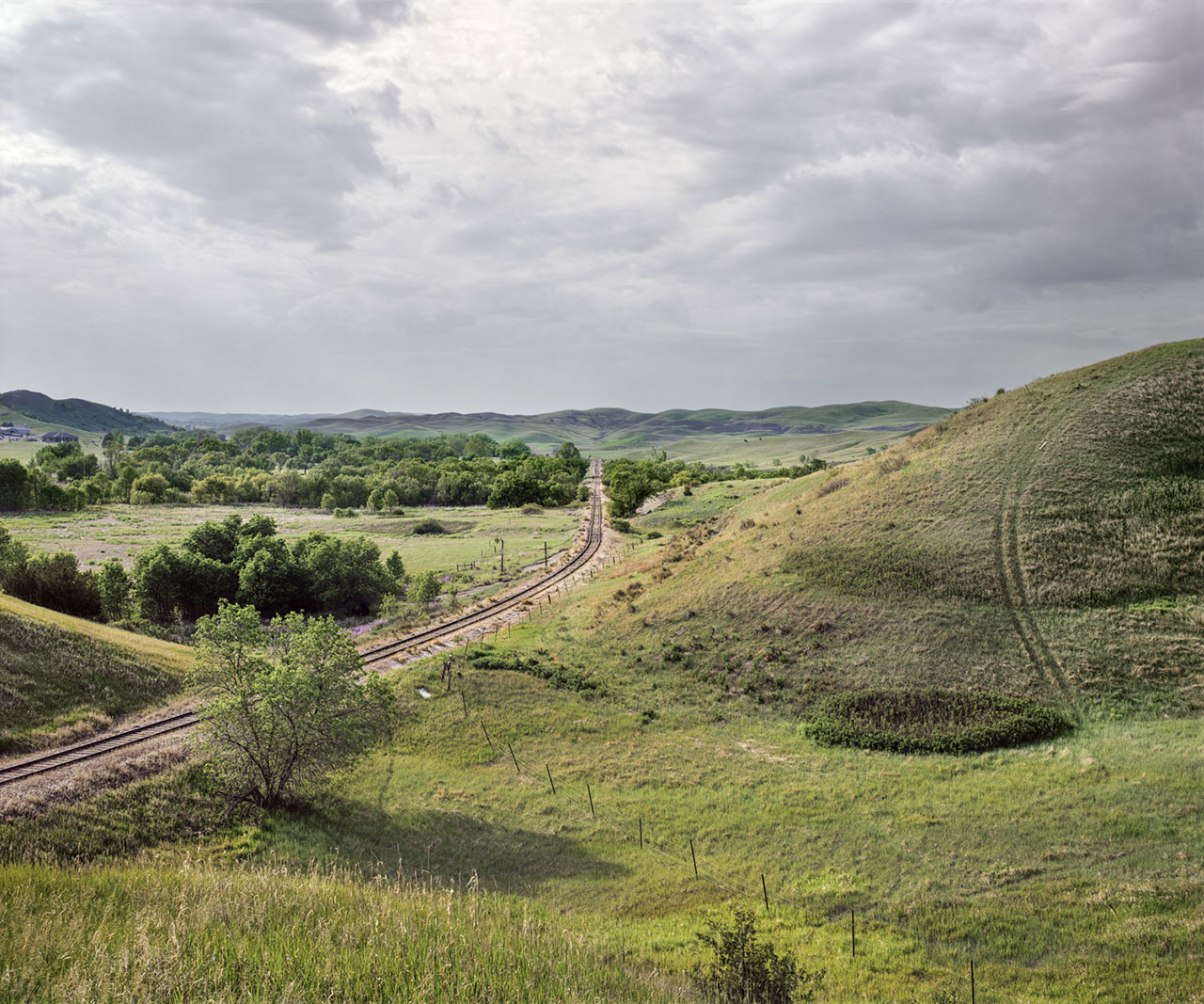
Space changes around the railroad lines that remain, generations after their construction.

Flowing into the distance or cutting through an image, the rails leave us amazed; and yet, their confident line anchors us to our path. Once bustling stations feel abandoned, objects of forgotten aesthetic pride.

Elsewhere, tracks flow through unchanging mountain passes. The series of photographs “Railroad Landscapes” examines the forgotten environment of US railroads.

From urban to rural areas, Sanderson set out to examine how the tracks exist as a narrative force within the framework, also looking at places that describe our collective history.
Rooted in his passion for architectural and historical design, this project has been ongoing for twelve years.

The photographs were taken with a traditional 8×10 inch film camera during a long journey across the United States of America.

John Sanderson (1983, United States) is drawn to expansive topographic landscapes characteristic of America. It is where he feels most creative. His photographs reconcile American motifs of impermanence and expansion within the contemporary landscape.
His projects include themes such as transportation, leisure, residence industry and decay. Having grown up in Midtown Manhattan NY has influenced much of his work which is rooted in a passion for architectural design.

He captures photographs with different large format film cameras for each project.
Sanderson’s photographs have been published in many magazines and newspapers such as PDN Magazine Slate Magazine BBC News The Wall Street Journal Lenscratch and NBC News. His works are part of several private and public collections.

john-sanderson.com
@johnsandersonphotographer

Scroll to Top