
Plan every detail so that your photographic exhibition has the impact and quality that your images deserve.
Recently, I was offered the opportunity to create a photography exhibition. How exciting! But at the same time, it feels a little intimidating… and I don’t know where to start. Has something similar ever happened to you? In this article, we’ll go through 10 key steps to consider when producing a photography exhibition. Let’s get started!
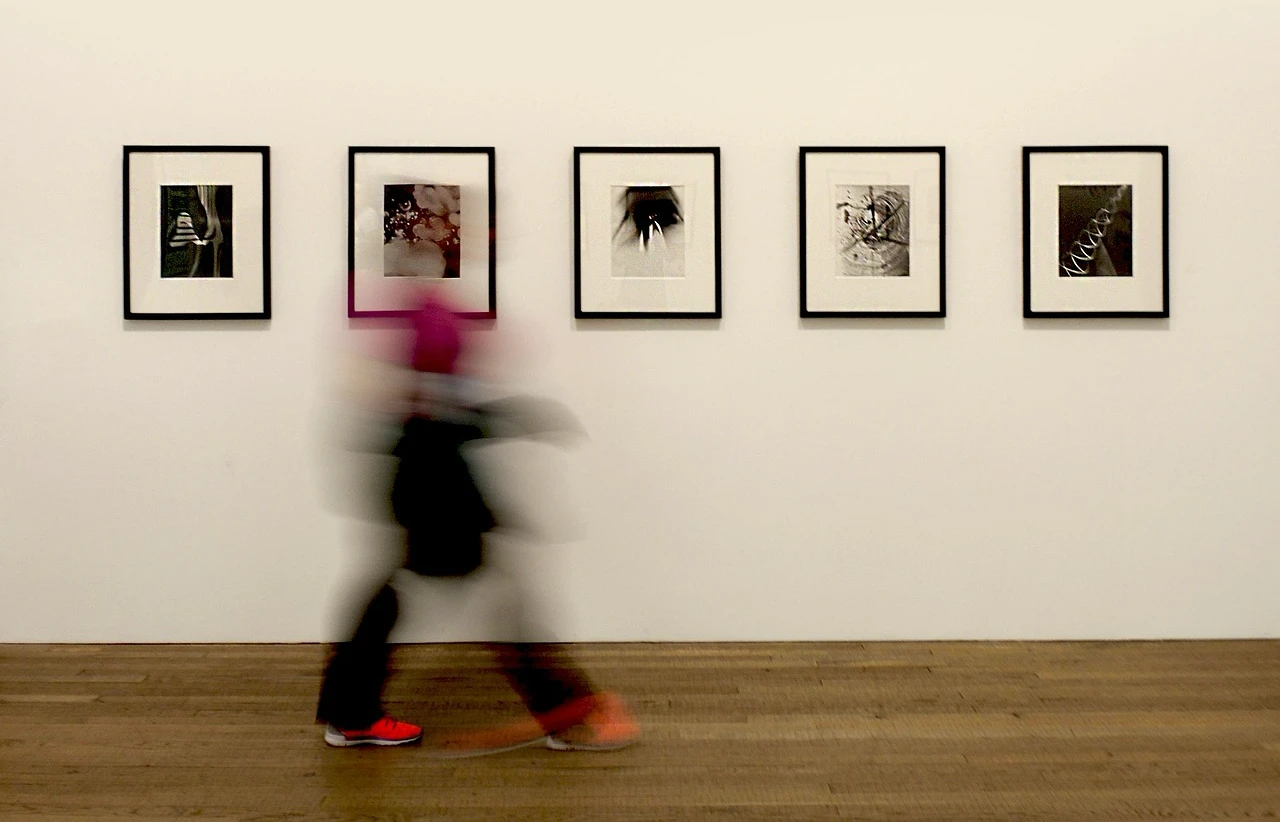
- The Venua. One of the most important aspects is the space itself—the venue where your work will be displayed. Things to consider: whether it is a public or private space, opening hours, the size of the venue, the lighting conditions and whether the light is natural or artificial, whether it is a landmark location in your neighborhood or town, whether there is an admission fee, and so on. Before choosing the venue, ask yourself these questions and make sure it complements your work in terms of aesthetics. A church cloister, a small vermouth bar, and a former industrial warehouse each create a very different atmosphere.
- The date. Choosing the right date and duration for your exhibition is also essential to its success. It is advisable to check the calendar carefully and avoid scheduling the opening during a public holiday, Christmas, or the height of summer. For the opening event, a weekday evening—preferably Wednesday or Thursday from 7:00 p.m. onward—is often ideal. As for the duration, around one month is usually a good timeframe.
- Selecting the photographs. This is often one of the most challenging stages: deciding which photographs best represent your project, which are your personal favorites, and which are most likely to engage the audience. Between 10 and 20 images is generally a good number, although this will depend on the available space, your budget, and the size of the prints. Once you have finalized your selection, you will need to choose a cover image—the standout photograph that best summarizes your work and will appear on promotional materials.
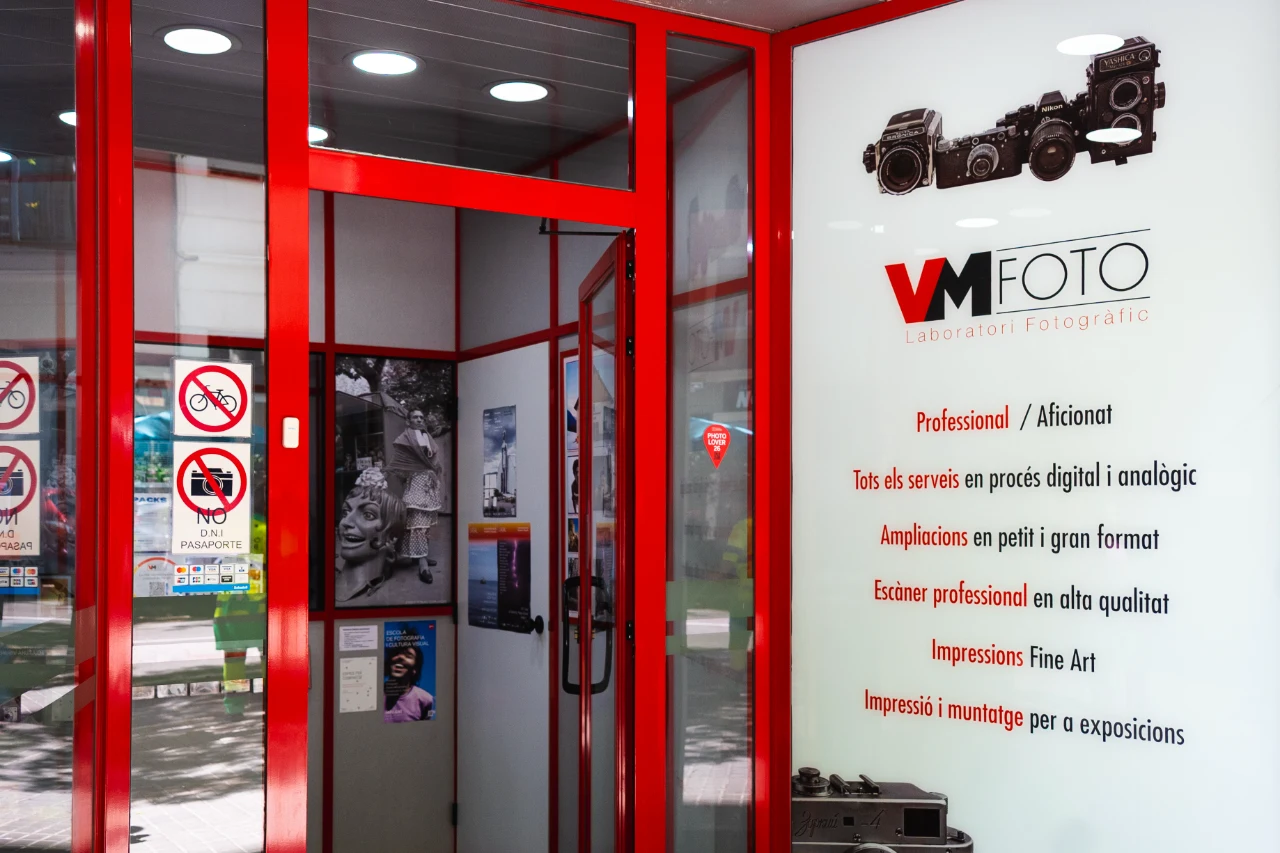
- Find your printing lab. Poor-quality printing can ruin an otherwise excellent body of work, making this one of the most important decisions you will make. Entrust your project to a professional photographic printing lab with extensive experience in exhibition production. They will advise you on the best options and ensure high-quality results. At VM Foto, we are always happy to help. We offer a range of printing solutions, from traditional chemical photo printing for smaller prints to inkjet printing on standard photographic papers and Fine Art printing. (LINKS)
- Request a quote. To avoid unexpected costs, ask for a detailed quotation before proceeding with the printing service. The final price can vary significantly depending on the number of photographs, print sizes, paper type, and whether you choose to mount the prints on rigid supports. Make sure you know exactly what is included. Special discounts are often available for exhibitions, so don’t forget to mention that your order is for an exhibition project.
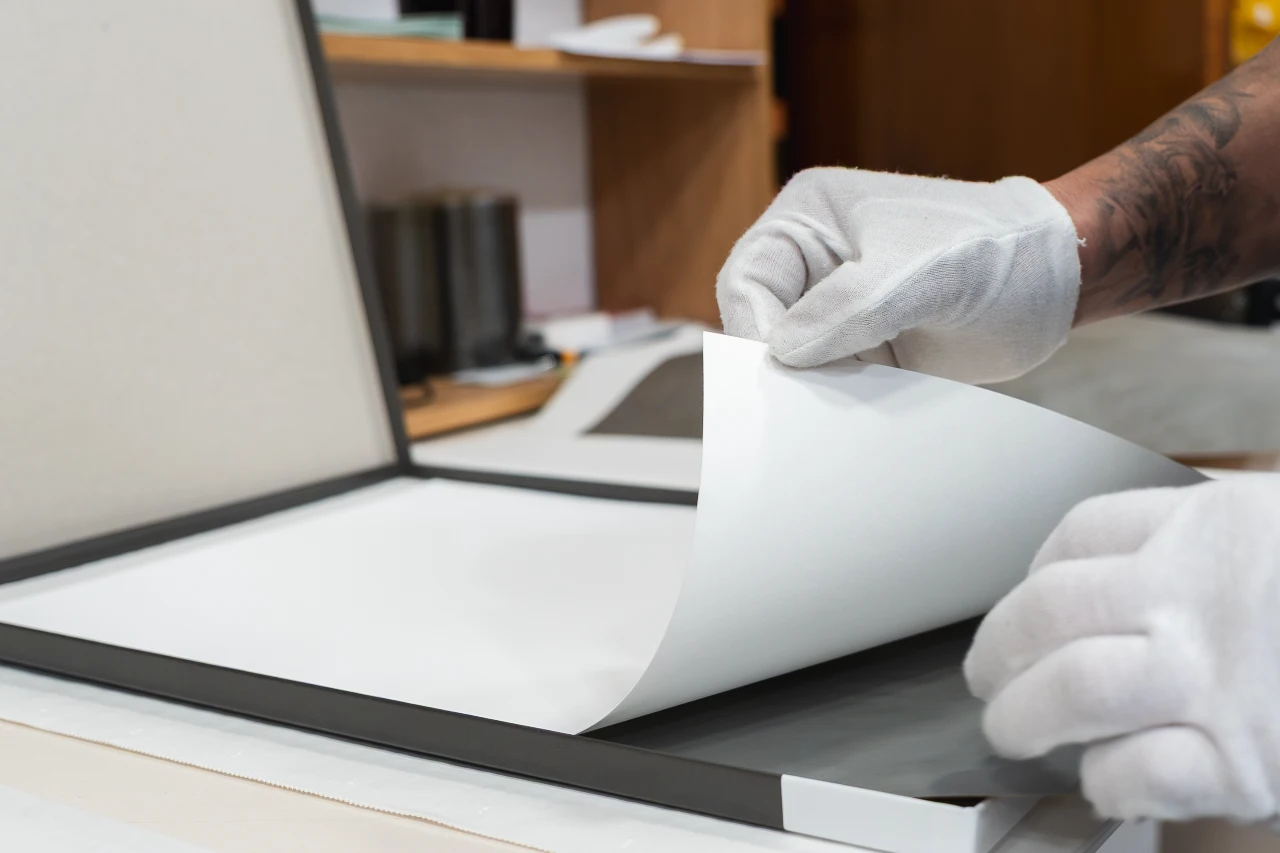
- Choosing the right paper. Every exhibition is different, and depending on the type of images, the narrative, and the lighting or exhibition space, a particular paper may be more suitable than another. Budget will also play a role. We often recommend starting with traditional 260 gsm Lustre photographic paper. If your budget allows for a higher-end option, Hahnemühle Fine Art papers are an excellent choice. The Photo Rag Baryta 315 is a true delight, while fully matte Fine Art papers such as Matt Fibre 200 and Photo Rag 308 gsm are among the most popular in their category.
- Choosing the mounting method. One of the most visible aspects of any exhibition is how the works are presented. Would you prefer them framed? If so, with or without glass? With or without white borders or a mat board? If you prefer full-bleed photographs, a very popular option is mounting them onto 10 mm Foam Kapa board, which is lightweight and considerably more affordable than alternatives such as Forex or Dibond. (LINK). There is also the budget-friendly option of displaying photographs directly on the wall using nails or hanging them with wires. If you choose this method, make sure the prints remain flat by weighting or securing them properly.
- Prepare your files. Ask your printing lab which color profile they use and in what format and resolution (DPI) they prefer to receive your files. At VM Foto, we generally request files at a minimum of 200 dpi, supplied as JPEGs for faster processing and prepared at the final print size. The recommended color profile is Adobe RGB 1998. You can send us your files via TransferNow by following the dedicated section on our website (LINK), and you are welcome to review a test print before placing the final order to ensure everything looks exactly as expected.
- Collecting the materials and installing the exhibition. In approximately one week, or sometimes sooner, your materials will be ready for collection. If the order is large, we recommend arriving with a suitable vehicle. Alternatively, if arranged in advance, we can deliver the materials by car or van. When installing your exhibition, bring someone to help, pay close attention to detail, wear cotton gloves, and take the time to make everything look its best.
- Promotion and opening night. Design an attractive flyer and promote it on social media to reach as many people as possible. Choose a suitable date for the opening and invite the people closest to you. It is an important milestone, and it is always more enjoyable when shared with friends and family. Offer your guests a soft drink, beer, or a glass of cava—they will appreciate the gesture. And finally, last but certainly not least: don’t forget to invite us too!